
Last updated November 23, 2026
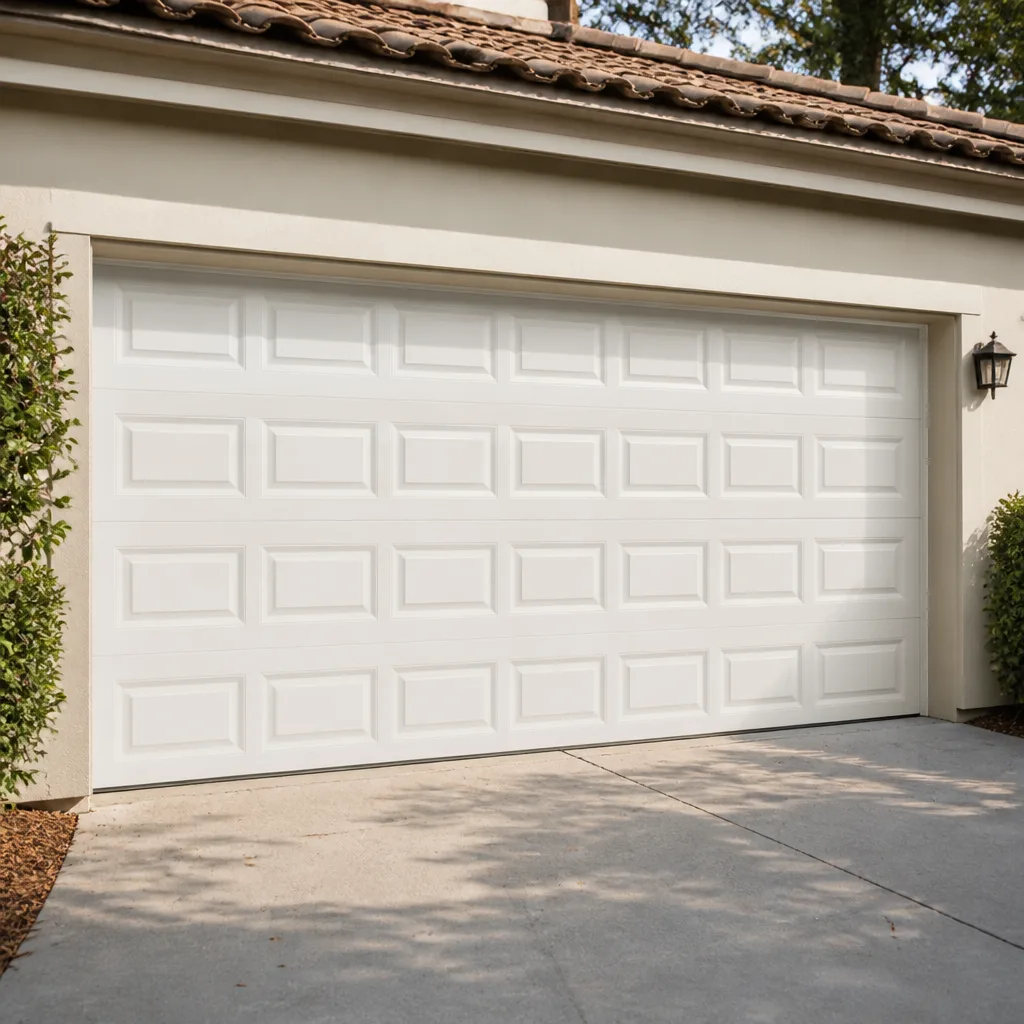 Raised-panel steel
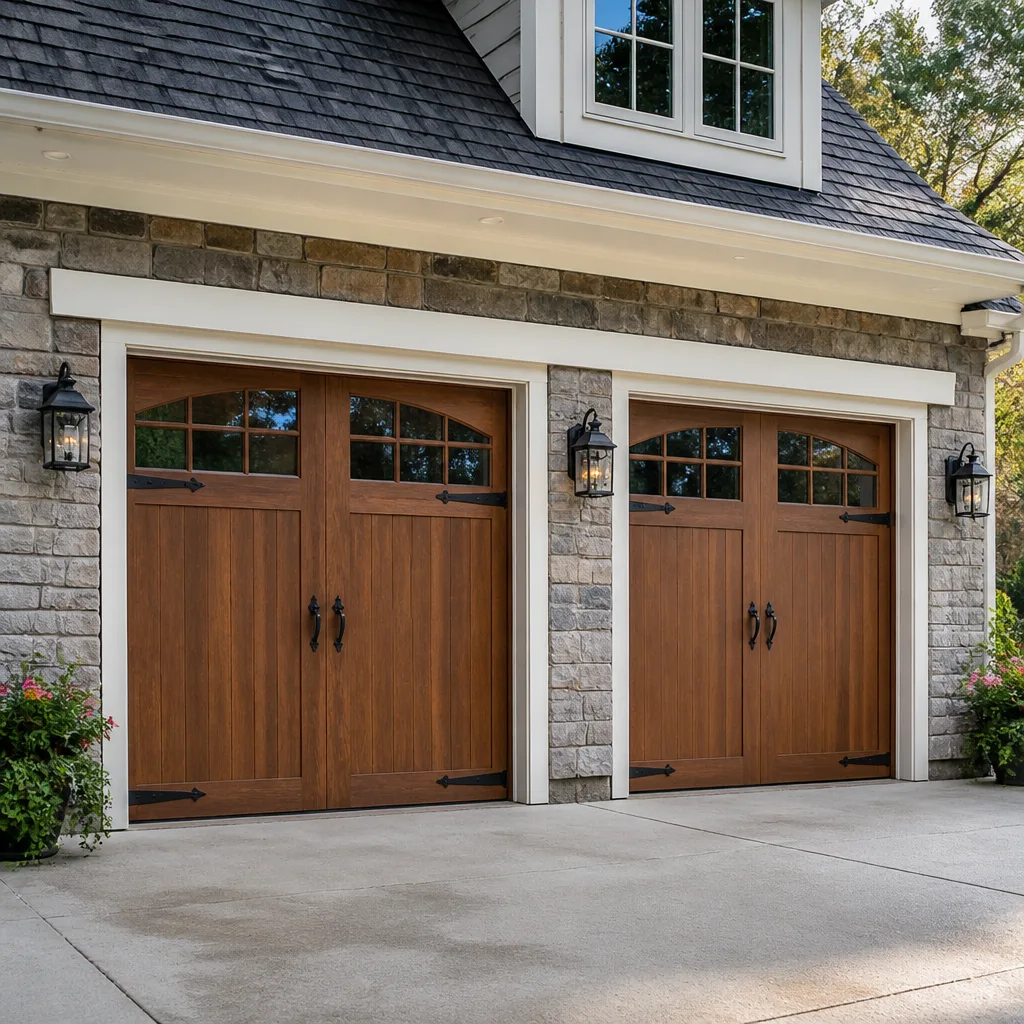 Carriage house
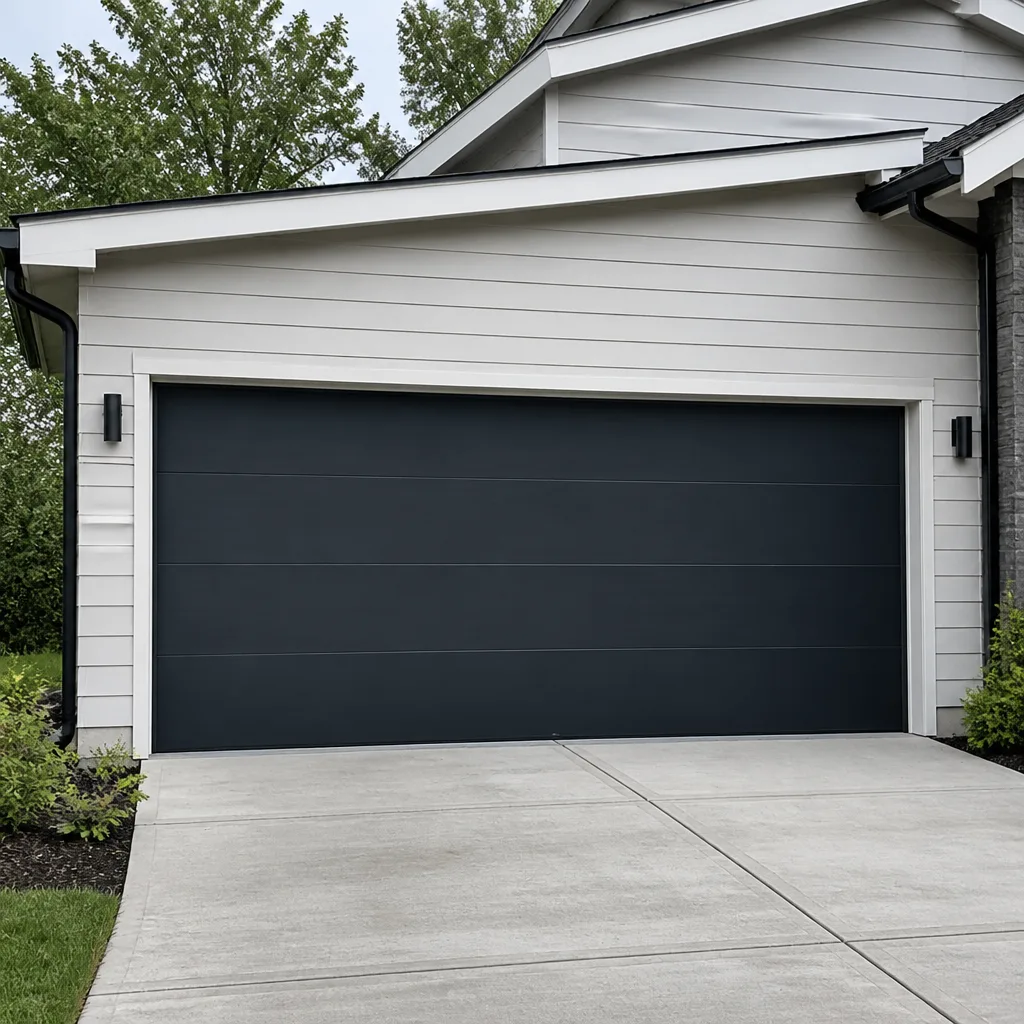 Modern flush
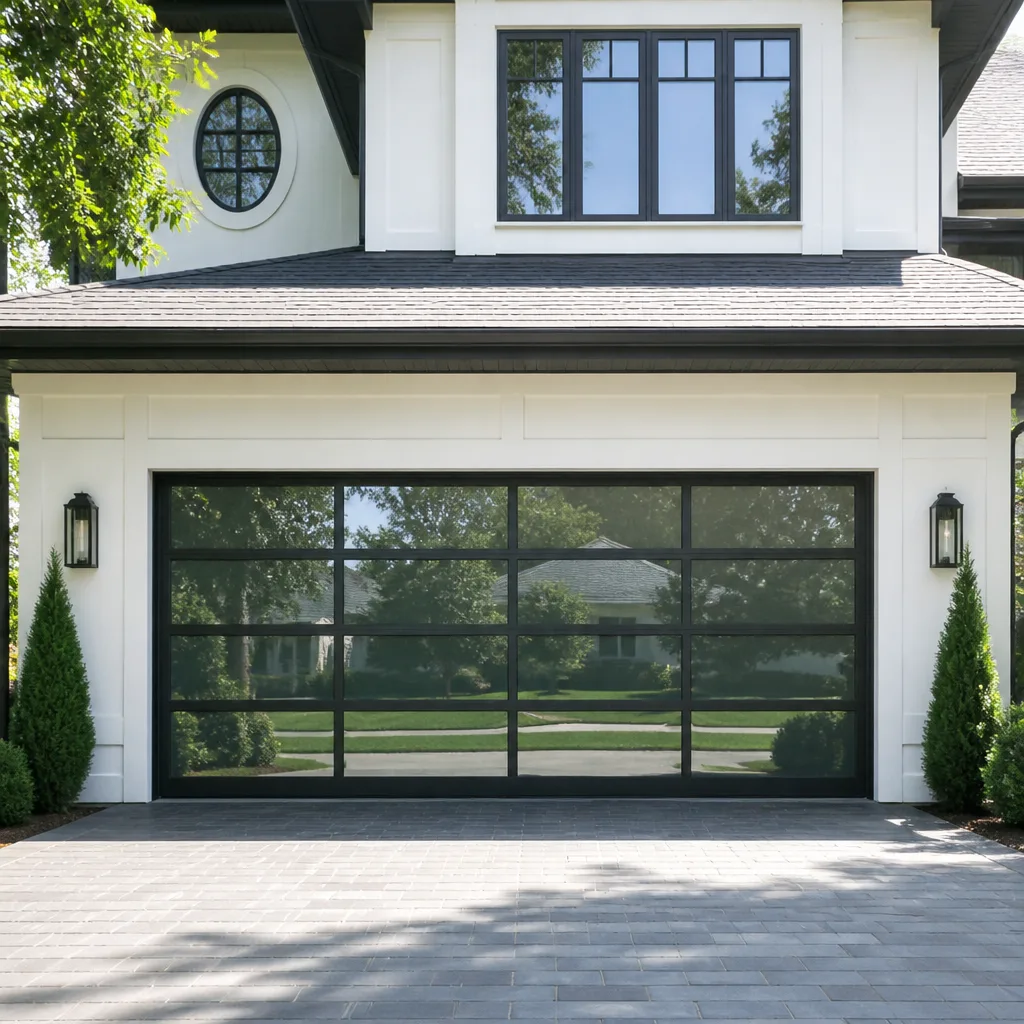 Full-view glass
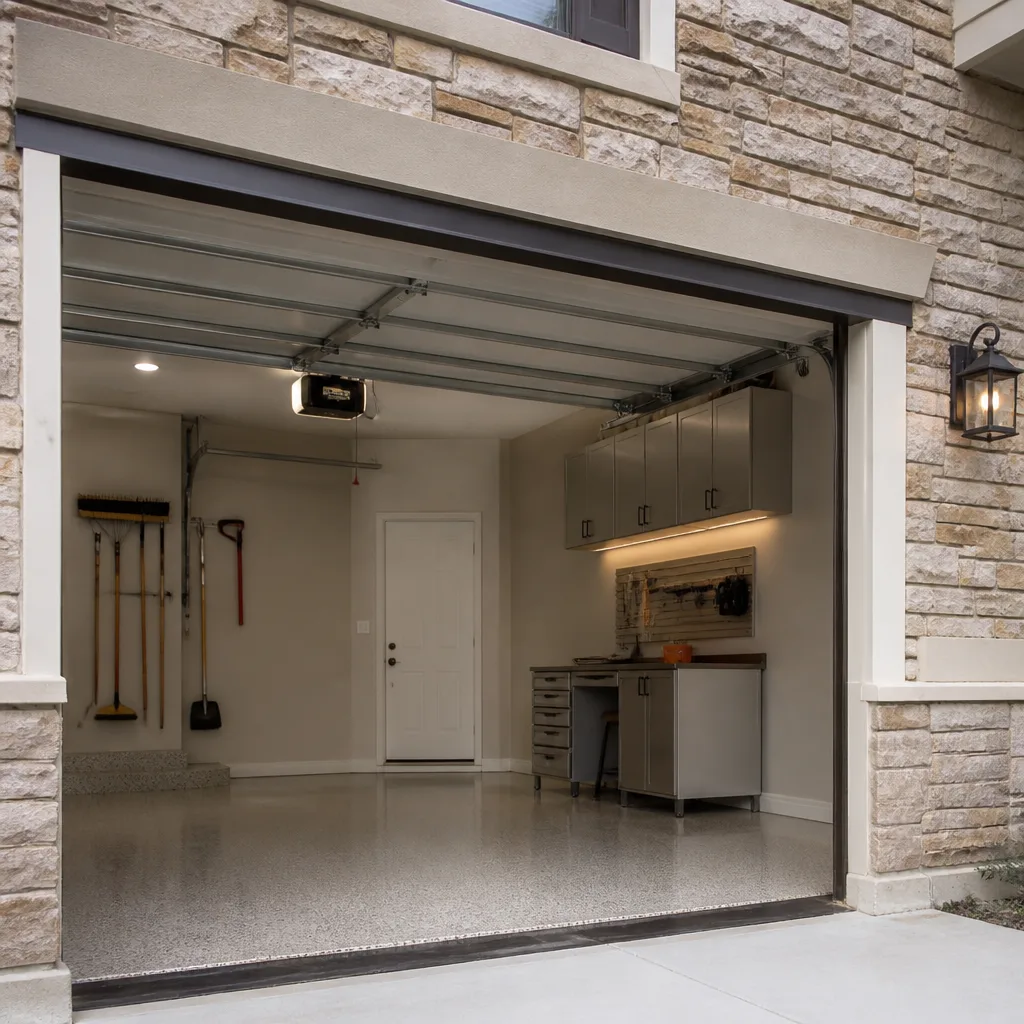 LiftMaster openers
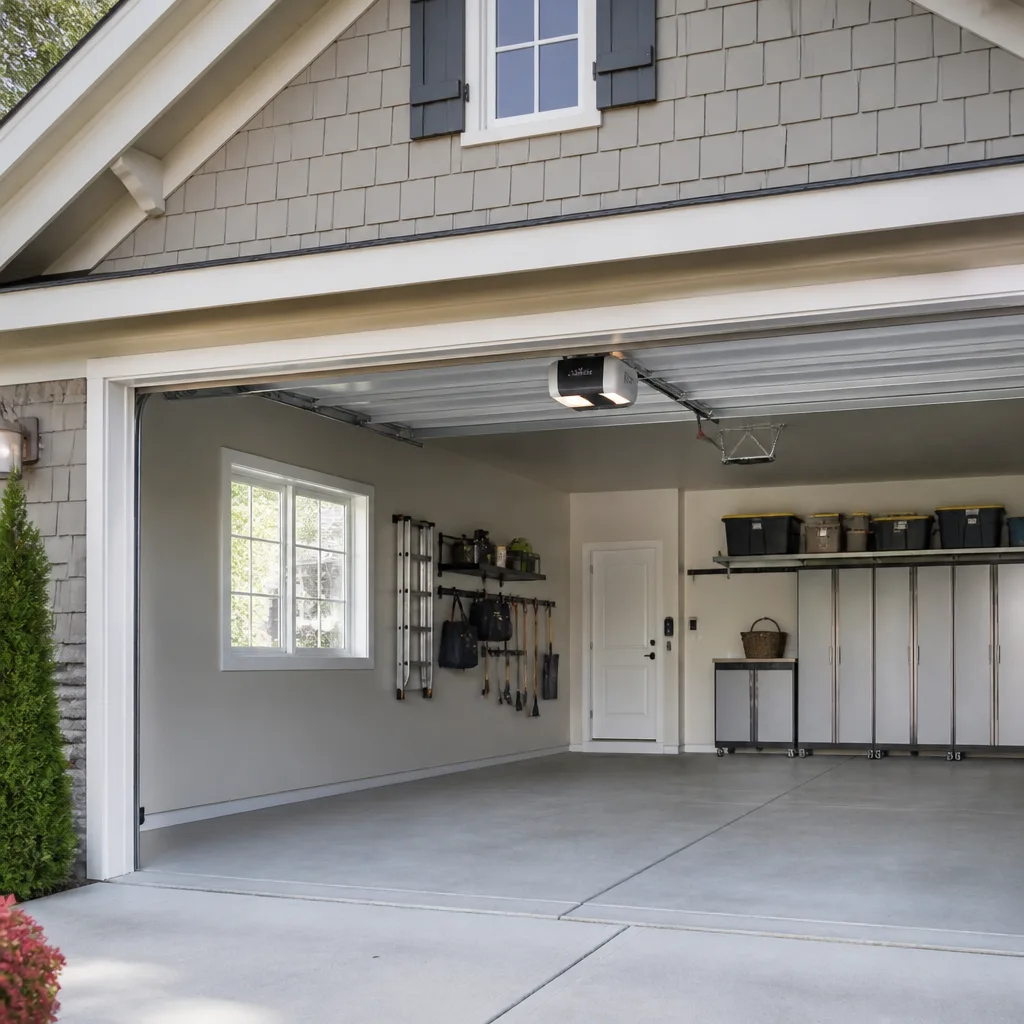 Chamberlain openers
Full 25-point door and opener safety check with every visit - springs, cables, rollers, tracks, and your LiftMaster or Chamberlain opener included
You get a price before we start. It does not change when the pro arrives.
Get your free estimateGarage Door Warning Signs: A Bolingbrook Homeowner’s Reference Guide
A torsion spring doesn’t snap without warning. It telegraphs failure for weeks through changes in cable tension, uneven lifting, and a specific grinding sound at the start of each cycle. Most homeowners miss those signals because they’ve been trained to watch for the dramatic stuff: a door that won’t move, a car trapped inside, a panel hanging off its track. By the time those symptoms show up, the repair has usually grown from one part to three.
This guide walks through the quiet warnings first. You’ll learn which sounds point to which component, which visual checks are worth doing monthly, and how to sort a cosmetic scuff from a genuine safety hazard. Bolingbrook homes deal with a particular mix of freeze-thaw winters and humid summers that works hardware hard, so a few local notes are included along the way.
Quick Answer
The most common garage door warning signs in Bolingbrook are a grinding or popping sound during operation, a door that lifts unevenly or reverses on its own, fraying cables, worn rollers, and an opener motor that runs longer than it used to. Any of these means the system is telling you something is wearing out. A grinding sound or a frayed cable is safety-critical and should be inspected before the door is used again; a noisy roller or a loose hinge is usually a lower-priority maintenance item.
Styles & brands we work with
- Raised-panel steel
- Carriage house
- Modern flush
- Full-view glass
- LiftMaster openers
- Chamberlain openers
Table of Contents
- What the Noises Are Telling You: An Auditory Warning Guide
- Visual Inspection Points That Reveal Imminent Failure
- Operational Changes: Speed, Reversal, and Motor Run Time
- Cosmetic Problems vs. Safety-Critical Problems
- The Cascade Effect: How One Worn Part Wears Out Its Neighbors
- Seasonal Warning Patterns in Bolingbrook
- A Monthly Walk-Around You Can Do in Five Minutes
- Repair or Replace? Reading the Warning Signs Together
What the Noises Are Telling You: An Auditory Warning Guide
Sound is the first channel a failing garage door uses, and it’s the one homeowners most often tune out. A door that has always made some noise gets noisier, and the change is gradual enough that nobody notices until something breaks. The trick is to learn which sound belongs to which part. Here’s what we listen for when we pull up to a Bolingbrook driveway.
- Grinding during the lift: usually a dry or failing torsion spring, or worn bearings in the torsion tube. Grinding that gets louder as the door rises is a strong signal the spring is losing its tension smoothly rather than holding it evenly. This is a safety-critical sign, because an unevenly loaded spring can snap under load.
- Popping or a single loud bang: a popped sound can be a torsion spring letting go, or a cable coming off its drum. If you hear a bang and the door stops lifting, stop pulling on it. Call for garage door spring repair before you use the door again.
- Slapping or flapping as the door comes down: a loose panel, a failing hinge, or a roller that’s come out of its bracket. The door is flexing where it shouldn’t.
- Rattling that changes with speed: loose track bolts, worn rollers, or a hinge that’s working itself free. Rattling is often the cheapest fix on this list if you catch it early.
- A rhythmic squeak or squeal: metal-on-metal contact, usually rollers or hinges that have lost their lubrication and started wearing the metal instead.
- Clicking from the opener head: the opener’s drive gear or logic board beginning to fail. If the light flickers and the motor clicks without moving the door, the opener is telling you it’s done.
None of these sounds mean the same thing, and that’s the point. A grinding spring and a rattling hinge both sound like “the door is noisy,” but one is a hazard and the other is a maintenance call. If you can’t tell the difference, that’s a reasonable moment to have someone look at it. Our technicians have up to 11 years of experience hearing exactly this distinction, and they’ll tell you which category your door falls into.
Visual Inspection Points That Reveal Imminent Failure
You don’t need to disassemble anything to spot most failures in progress. A flashlight and five minutes standing in the garage will show you the physical evidence that auditory warnings leave behind. Look for these, in roughly this order.
- Cable fraying at the drum and the bottom bracket. Run your eyes along the cable where it wraps the drum at the top of the door. Frayed strands, a cable that looks like it’s shedding, or a cable sitting unevenly on the drum are all precursors to a break. Never touch a cable under tension. Look only.
- Spring condition. A torsion spring should look uniform along its coil. A visible gap, a rust bloom that runs the length of the spring, or a spring that’s physically separated into two pieces means it needs replacement. Rust is more common in Bolingbrook than you’d expect because of the wet, freeze-thaw winters.
- Roller wear. Rollers should be round and turn freely. Flat spots, cracks, or rollers that have worn down past their original diameter mean the door is dragging rather than rolling. Steel rollers last longer than nylon but get noisy; nylon rollers are quieter but crack.
- Track alignment gaps. Stand at the bottom of each vertical track and sight up along the inside edge. The gap between the roller and the track should stay even the whole way up. A track that’s been knocked out of alignment, or that’s visibly bent, will force the door to fight its own path. A door off-track is a stop-using-it situation.
- Hinge and bracket tightness. Give each hinge a gentle wiggle by hand. Loose hinges allow panels to shift, which eventually cracks the hinge metal itself. Missing or backed-out bolts are a maintenance fix, but a cracked hinge is a replacement.
- Panel condition. Dents and dings from a bumped car are cosmetic. Bowing, warping, or a panel that has separated from its neighbor is structural and affects how the whole door seats against the frame.
Raynor and Amarr doors, both common on Bolingbrook new construction and older subdivisions alike, share the same failure points as everything else, so these checks apply regardless of what’s hanging on your house.
Operational Changes: Speed, Reversal, and Motor Run Time
The third warning channel is behavior: how the door moves, how fast, and whether the opener is working harder than it used to. These are the signs homeowners notice as a vague feeling that “something’s off,” but don’t connect to a specific component.
- Door speed variation. A door should lift and lower at a steady pace from top to bottom. If it hesitates at a particular point, or jerks, or slows near the top, the spring is no longer carrying its share of the door’s weight. The opener is doing work the spring should be doing, and that’s a spring problem, not an opener problem.
- Reversing without obstruction. If the door goes down a foot and then reverses for no visible reason, check the safety sensors at the bottom of the track first. Spider webs, dirt, and a knocked sensor lens are the usual culprits. If the sensors are clean and aligned and the door still reverses, the opener’s travel settings have drifted or its logic board is failing.
- Motor running longer than normal. A healthy opener does its job in a few seconds and stops. If the motor runs past the point where the door reaches the floor or the ceiling, the limit settings need adjustment, or the opener is fighting a door that’s binding.
- The door lifting unevenly side to side. One side of the door rising while the other lags means the two cables aren’t carrying equal tension. That’s usually a cable or drum issue, and it’s a stop-using-it sign.
- The opener’s safety reverse failing to trigger. Run the standard test: lay a 2×4 flat on the floor under the door and close it. The door should reverse on contact. If it doesn’t, the opener’s force settings are too high and should be corrected before anyone walks under the door.
LiftMaster and Chamberlain myQ openers, which show up on plenty of Bolingbrook homes, will usually log a fault when they detect a repeated obstruction. If your app is showing repeated cycle alerts, that’s the opener telling you the door is asking for more force than it used to. It’s worth a garage door opener repair call before the opener burns itself out.
Cosmetic Problems vs. Safety-Critical Problems
The most expensive mistakes in this trade come from homeowners delaying a safety-critical repair because they thought it was cosmetic, or over-reacting to something that wasn’t dangerous. Sorting the two correctly is the skill that keeps a cheap problem cheap and keeps people safe.
Cosmetic or low-priority:
- Dents from a car bumper, a basketball, or a lawn mower (as long as the panel is still attached to its neighbors)
- Faded or peeling paint
- A noisy but otherwise functioning hinge or roller that hasn’t worn out
- A scuff on the bottom weather seal (unless the seal is no longer touching the floor)
Safety-critical, stop using the door:
- A broken torsion or extension spring
- A frayed or visibly damaged cable
- A door that’s off its track
- A door lifting unevenly
- An opener whose safety reverse test fails
- A door that’s separated from its hinges or fallen out of a bracket
Here’s the rule we give Bolingbrook homeowners: if the door can fall, if the spring can release, or if the safety reverse doesn’t work, stop using the door and call someone. If the problem is visual or audible only, schedule the repair but you can usually keep using the door in the meantime. Springs and cables carry stored mechanical energy and are not DIY territory. Neither is an opener you’re manually adjusting, because the force settings relate directly to whether the door stops on a child or a pet. We treat spring repair as a safety specialty, not a quick part swap, and we bring the correct spring sizing and the tools to handle the stored energy safely.
The Cascade Effect: How One Worn Part Wears Out Its Neighbors
Garage doors are systems, not collections of independent parts. When one component starts to fail, it pushes extra load onto its neighbors, and those neighbors fail next. This is why a $100 roller replacement can become a $600 repair when the homeowner waits. Understanding the cascade helps you decide when to act now versus when to plan.
The most common cascade in Bolingbrook starts with a spring losing tension. As the spring weakens, the opener has to lift more of the door’s weight on its own. The opener’s motor runs harder, runs longer, and eventually either burns out its logic board or strips its drive gear. In the meantime, the extra strain on the door makes the rollers work harder, which wears them faster, which puts more load on the hinges, which start to loosen, which lets the panels flex. The whole system ages faster than it should because one part was left too long.
Second common cascade: a bent track, usually from a car clipping the door on the way in. The bent track forces the rollers to run against resistance. The resistance makes the door hesitate, which makes the opener adjust its force settings upward, which means the next time the door meets an obstruction it doesn’t reverse. A bent track and a failed safety reverse can develop from the same initial bump.
Third cascade: worn rollers on a Craftsman or Wayne Dalton door where the homeowner replaced the rollers but not the hinges. The new rollers roll smoothly and put full load on hinges that were about to fail. The hinges crack, the panels flex, and the door needs more repair than it would have if the whole rolling assembly had been serviced together.
One way to avoid all three: get a professional assessment when you notice the first warning sign, before the cascade has time to run. A trained eye sees the futures the individual homeowner can’t quite see.
Seasonal Warning Patterns in Bolingbrook
Bolingbrook’s weather leaves a specific fingerprint on garage door hardware, and warning signs tend to cluster at particular times of year. Knowing the local pattern helps you catch problems in the right season rather than after they’ve already caused damage.
Late fall and early winter: the first hard freezes arrive and hardware that was working in mild temperatures starts to seize. Lubrication gets thick, hinges stiffen, and the door sounds louder than it did a few weeks before. This is the best time of year to get ahead of issues with a tune-up rather than waiting. The freeze-thaw cycle that starts in November will work loose bolts and wiggle alignment. If you hear new rattles after the first cold snap, those rattles are worth attention before a hard cold stretch makes them worse.
Deep winter: springs see their highest stress because the metal is cold and slightly more brittle. A worn spring that held through summer is more likely to snap in a cold snap. Most winter broken-spring calls we handle involve a spring that had been showing subtle warning signs (an audible little grind, an uneven lift) for weeks before it went. Cold weather accelerates the timeline.
Spring thaw: water gets into tracks, seams, and hinges and then freezes again, expanding where it sits. Loose hardware becomes visibly loose, and rust blooms on springs and cables show up even if the parts were healthy in November. Panel swelling and wood swelling at the bottom seal are common.
Summer humidity: the wet, humid Illinois summer works on metal and wood alike. Rollers seize, hinges rust, and cables that were fine in March start to develop the first surface corrosion. Garage moisture also drives warping in wooden panels, especially on older doors.
Late summer storms: high winds and driving rain can knock doors out of alignment and bend tracks. Hail is uncommon in northeastern Illinois, but storm and impact damage generally is worth checking for after any significant weather event.
If your door has an annual rhythm of “fine most of the year, then noisy in the cold,” that rhythm is a warning sign. It usually means the hardware is running at the edge of its tolerance all year and crossing that line when temperatures drop. A garage door repair visit in the fall is cheaper than one in February.
A Monthly Walk-Around You Can Do in Five Minutes
The best defense against a surprise failure is a routine that costs almost nothing. Here’s the short version we recommend to homeowners in Bolingbrook. Set a reminder for the first of each month. The whole thing should take five minutes or less, and you’ll catch most failures in the “quiet warning” stage rather than the “one part has taken out three others” stage.
- Listen before you look. Stand inside the garage with the door closed and hit the opener. Don’t look at the door. Just listen for grinding, popping, rattling, or a change in tone during the lift. Then lower the door and listen again.
- Watch the door lift, from the side. Stand at the bottom of the track on one side and watch the door rise. It should rise evenly without hesitation. Then watch the other side. Uneven lifting between sides is a cable or drum sign.
- Check the safety reverse. Lay a 2×4 flat on the floor under the door and close the door. It should reverse on contact. It should also reverse as soon as your hand breaks the sensor beam. Test both. This is the single most important check on the list.
- Eyeball the cables. Look at where the cables wrap the drum at the top of the door. Note any fraying, uneven spooling, or visible corrosion. Look, don’t touch.
- Eyeball the springs. A quick visual pass over the torsion spring at the top of the door, or the extension springs beside the track on older doors. Note gaps, rust, or separation.
- Wiggle the hinges and check the rollers. A light hand-wiggle on each hinge should feel tight. Each roller should turn freely without flat spots.
- Look at the bottom seal. The rubber seal should touch the whole width of the floor. Gaps let in water and pests, and a seal that’s failed suggests the door height has shifted.
If a check produces a “no” or a “not sure,” note it and get someone to look. That’s the whole routine. Five minutes once a month catches most of what we’d otherwise see as an emergency call.
Repair or Replace? Reading the Warning Signs Together
When several warning signs show up at once, homeowners often ask whether it’s time for Garage Door Repair Bolingbrook or for a new door. The answer depends less on any single sign and more on how the signs cluster.
A single warning sign on an otherwise healthy door is almost always a repair. One noisy roller, one cracked hinge, one weak spring that’s only a few years into its life: those are individual fixes. A cluster of warnings on a door that’s given years of service is worth a broader look. If the springs are tired, the rollers are worn, the hinges are loose, and the panels are showing warping at the same time, the door is likely telling you its hardware is at end of life together. That’s when a full assessment makes more sense than a rolling sequence of one-off repairs.
Two clues that lean toward replacement: rust so extensive that it’s affecting structural parts, and multiple panels that no longer sit flush against each other. Two clues that lean toward repair: a structurally sound door with tired hardware, and warning signs that resolve when a single part is replaced. Our technicians can walk through both scenarios honestly and give you a written estimate for either path, so you can weigh the cost yourself. If you want a starting point on costs and options, our full page on garage door repair covers the decision process in more depth.
One thing worth knowing: any new door installation is a scheduled, measured, ordered process. If your door is a candidate for replacement, get the assessment and the measure done now so you’re not making that decision under pressure with a broken door.
Common Mistakes to Avoid
- Ignoring a grinding noise because the door still runs. A door can keep working for weeks with a failing spring or bearing. The problem doesn’t stall; it accelerates, and it brings other parts with it.
- Assuming a slow door is “normal wear.” Doors don’t slow down on their own. If speed has changed, a component has changed. Have someone listen.
- Touching a spring or cable yourself. Springs store enough mechanical energy to cause serious injury when released incorrectly. This is not a homeowner fix, no matter how many videos claim otherwise.
- Treating a cosmetic dent like a safety hazard (or the reverse). A dented panel is usually fine. A door that reverses unevenly is not. Prioritize by whether the problem can cause a fall or a release, not by how bad it looks.
- Skipping the safety reverse test. It takes thirty seconds and it’s the single best indicator of whether your opener will stop for a child or a pet. Skipping it because the door “seems fine” is the wrong bet.
- Waiting for a freeze to try the door. When the first hard freeze hits in Bolingbrook, hardware that was already at its limit starts seizing. Do your monthly walk-around before the cold snap, not after the break.
- Calling a general handyman for spring or cable work. A technician without the right spring sizing and the right tools for stored energy is being asked to do a job they weren’t trained for. Spring work is a specialty.
See the difference
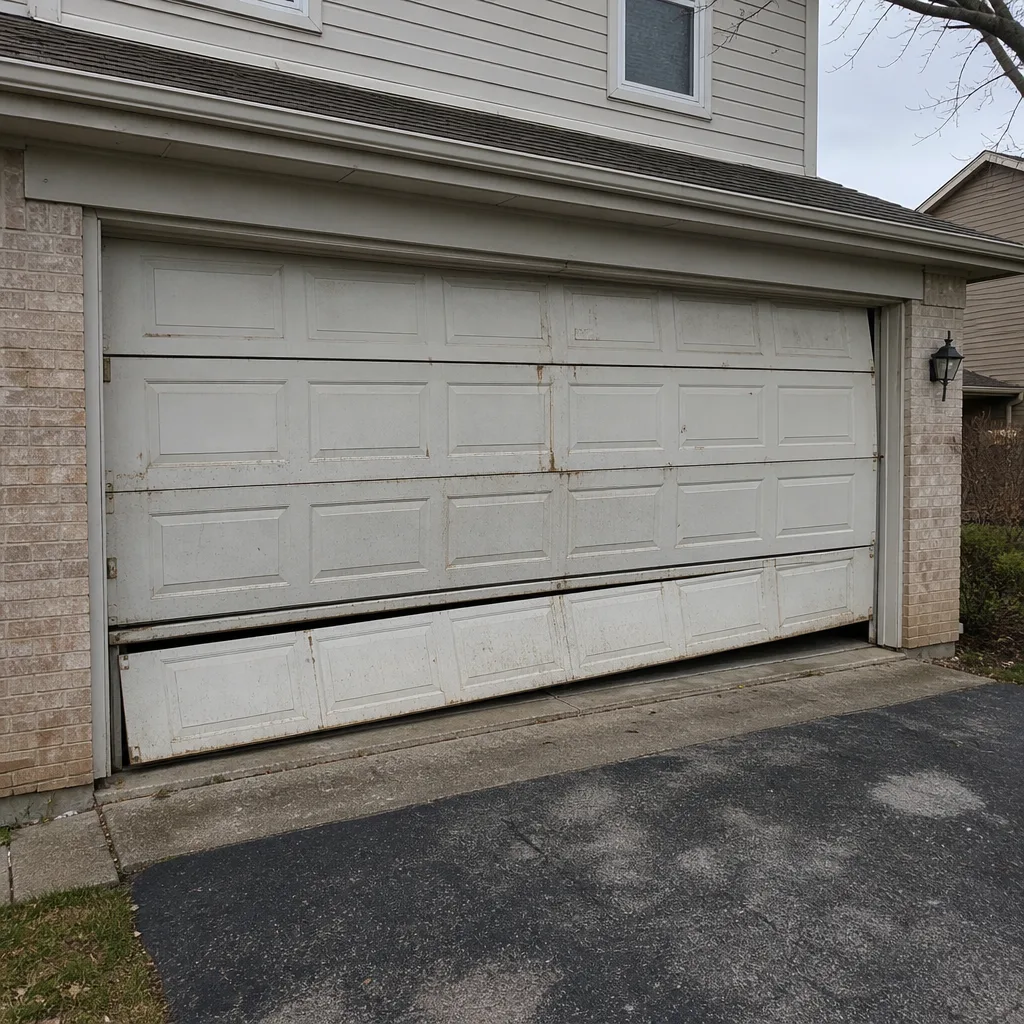 Before
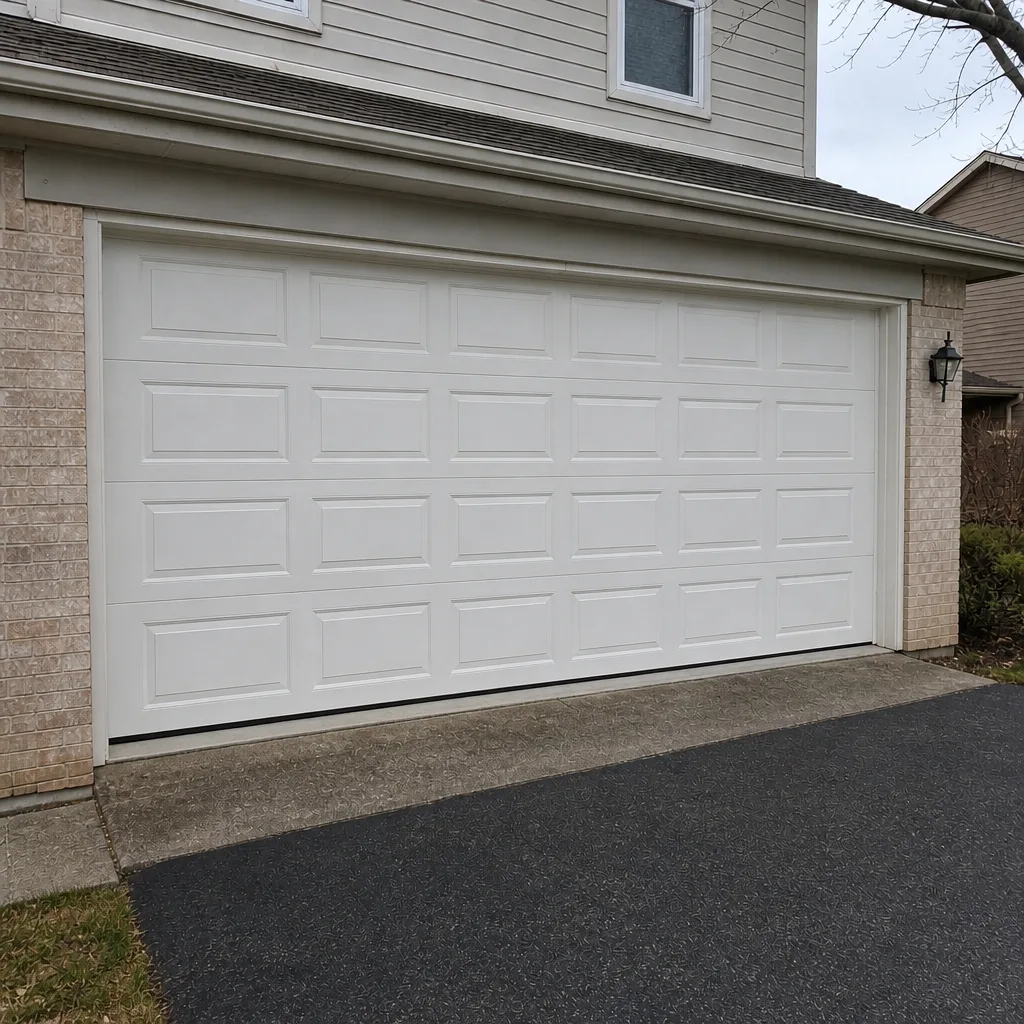 After
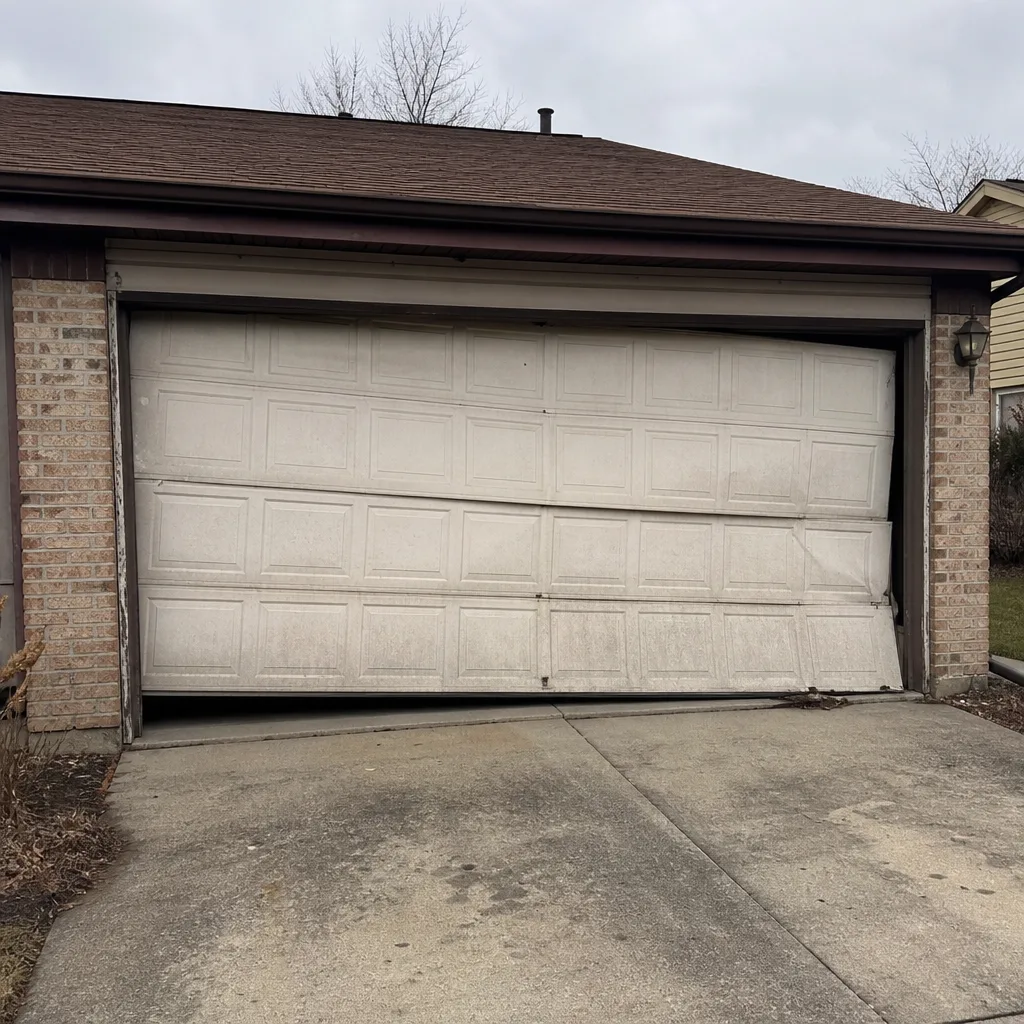 Before
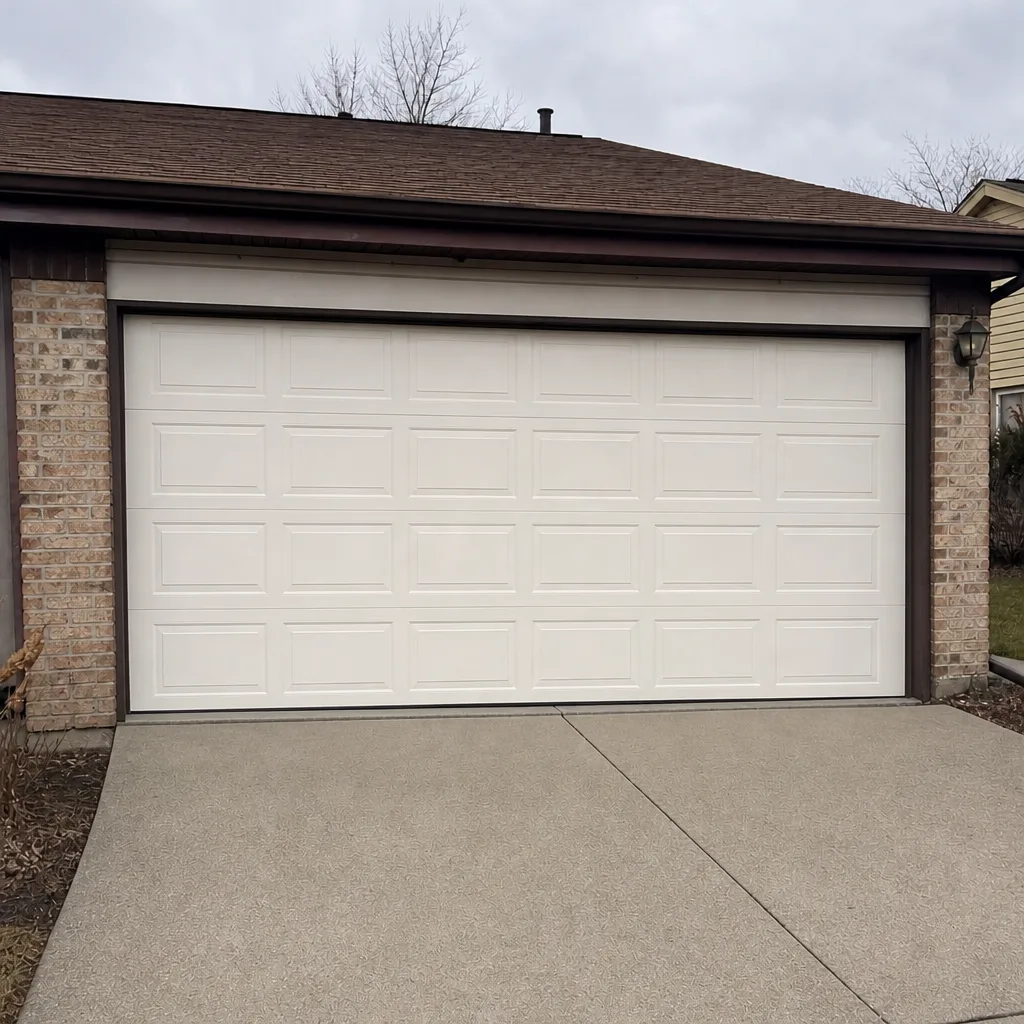 After
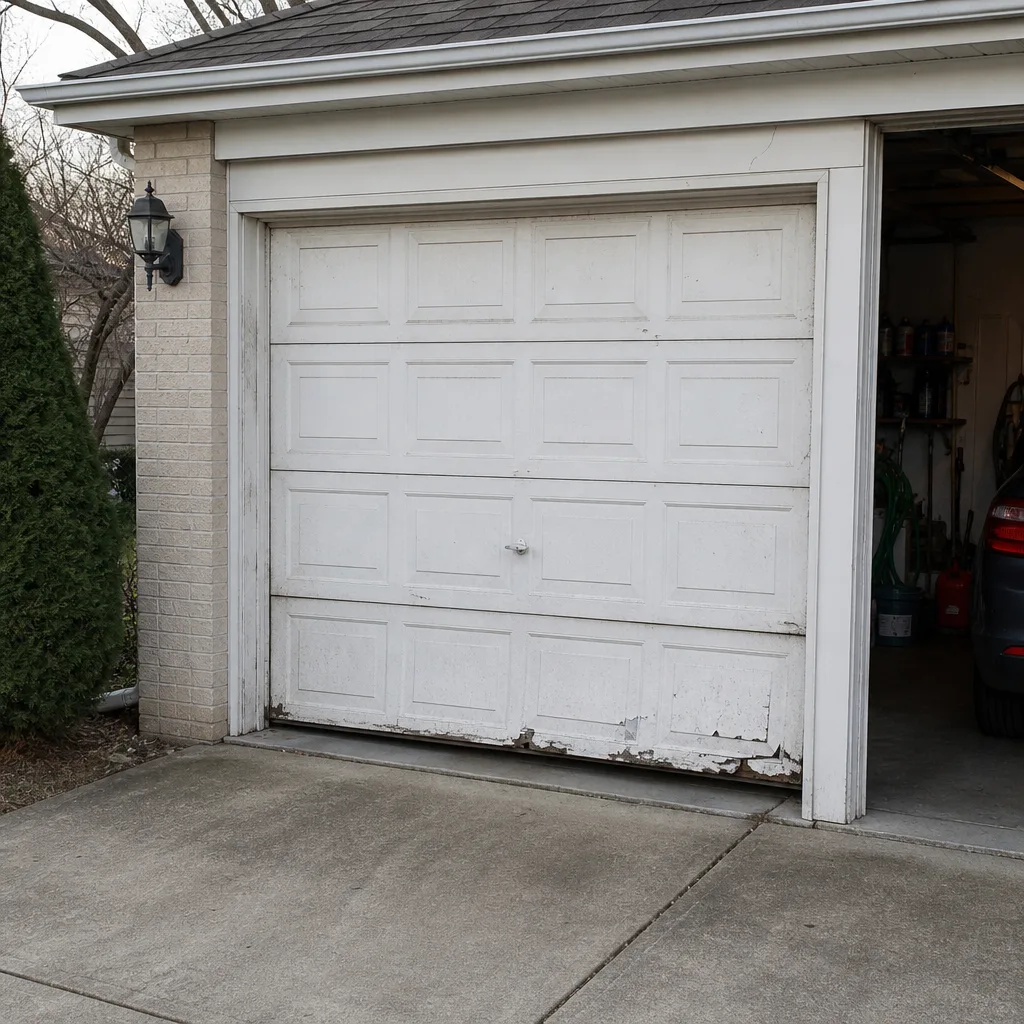 Before
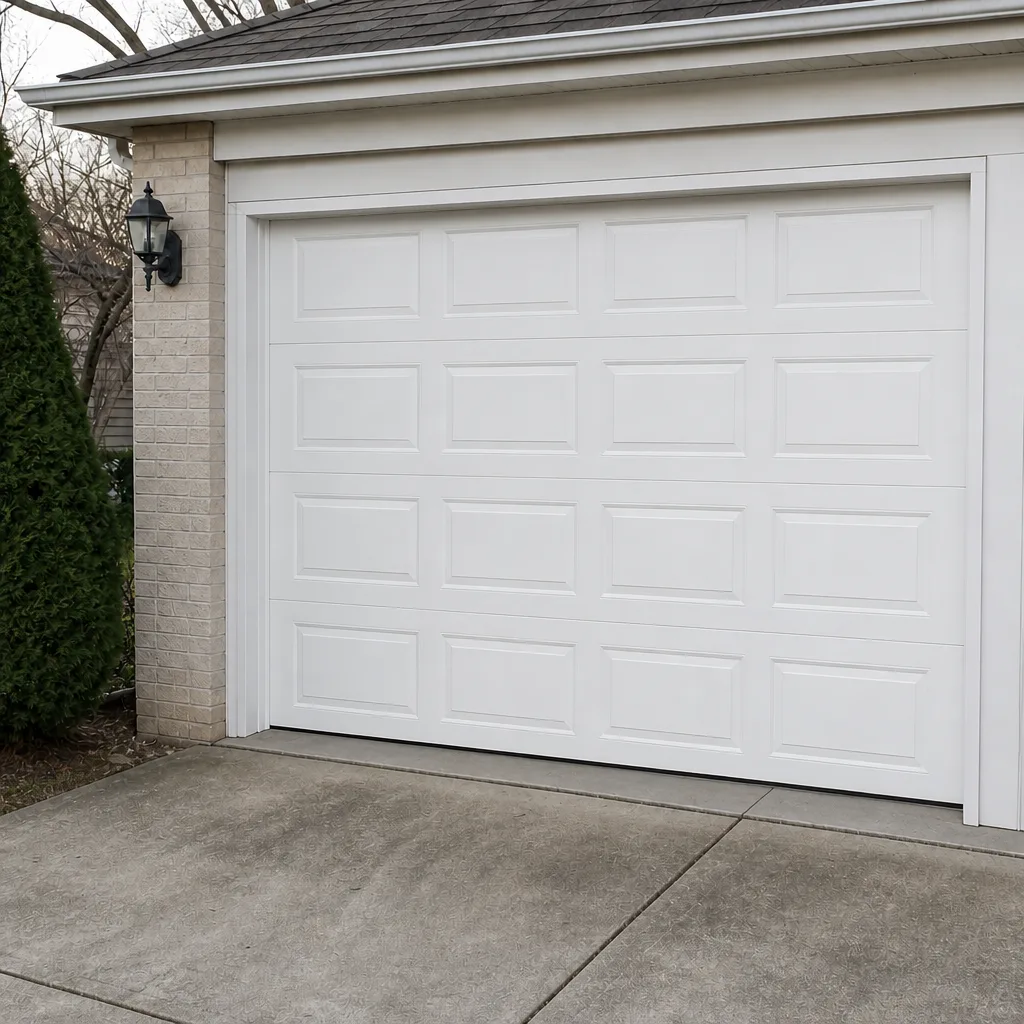 After
When to Call a Professional
Call when a warning sign involves stored energy or the safety reverse. That means a broken or grinding spring, a frayed or damaged cable, an off-track door, an uneven lift, or an opener whose safety reverse fails. Call when the door has stopped moving entirely and you have a car trapped inside or a house left open. In our experience, those are the moments a homeowner shouldn’t be trying anything themselves beyond stopping the door’s use.
For everything else, a routine assessment is worth the call. A rattling hinge, a noisy roller, a motor running longer than it should: none are emergencies, but all are cheaper to fix before they cascade. Garage Door Repair Bolingbrook offers free estimates in Bolingbrook and can be reached at (833) 696-3327. We answer 24/7. Fast dispatch, 7am-7pm, Sunday through Friday; closed Saturday. A call outside dispatch hours is booked into the next opening, Sunday through Friday, 7am to 7pm. Our technicians have up to 11 years of experience and work on LiftMaster, Chamberlain, Genie, Clopay, Amarr, Wayne Dalton, Craftsman, and Raynor equipment.
Frequently Asked Questions
The first warning sign is usually a change in sound, most often a grinding that occurs at the start of the lift and gets quieter as the door rises. That pattern suggests a torsion spring that’s beginning to lose even tension. A second common first sign is a door that hesitates at one point during the lift. Both are worth an inspection before the first cold snap if you’re in Bolingbrook and the calendar is between October and December. If you hear either, call (833) 696-3327 for a free estimate and we’ll tell you what the sound is.
A spring that’s about to break usually shows a visible gap somewhere along the coil, a rust bloom running lengthwise, or a slight sag in the coil where the metal is thinning. A grinding sound during the lift is the audible version of the same warning. Extension springs on older doors sometimes show the same signs beside the track. Stop using the door if any of those are present, because a spring that releases under load is a genuine hazard. Call (833) 696-3327 for a same-day assessment if you’re worried.
If the grinding is coming from the spring or the torsion tube, stop using the door and call for service. If the grinding is coming from a roller or a hinge, you can usually keep using the door while you schedule a repair, but get it looked at promptly because the problem will worsen. The distinction matters because spring grinding is a safety issue and roller grinding is a maintenance issue. If you’re not sure which one you’re hearing, we can help you sort it out. Call (833) 696-3327.
Reversal without an obvious obstruction is almost always a sensor issue, and in Bolingbrook’s humid summers the most common culprits are condensation fogging the sensor lenses, dirt on the lenses, or a spider web strung across the beam. Clean both sensor lenses with a soft cloth and realign them if they’ve been knocked. If the reversal continues after cleaning, the opener’s travel or force settings have likely drifted, which is a service call. Call (833) 696-3327 to have the opener looked at.
A frayed cable can fail with very little warning, and sometimes no additional warning at all. There’s no safe period to use a door with a visible fray, because the strands that remain are carrying more load than the cable was designed for. Stop using the door and call for service. This is the one warning sign where the answer is always “call now,” not “call when convenient.” Call (833) 696-3327 and we’ll get eyes on it.
You can do the observation checks yourself: listening for changes, watching the door lift for unevenness, and running the safety reverse test monthly. What you shouldn’t do yourself is adjust springs, cables, or opener force settings, all of which involve either stored mechanical energy or a direct effect on whether the door stops for a child. We recommend doing the monthly walk-around and calling when a check produces a “no.” That balance keeps the door healthy without putting anyone at risk. Call (833) 696-3327 for a free estimate whenever you’re unsure.
The Bottom Line
Garage door failures are rarely sudden. They build through quiet signals: a change in sound, a slight hesitation, a frayed strand, a gap in a spring. The homeowners who catch these early spend less, keep their cars moving, and avoid the moments of real danger. The ones who wait for the dramatic symptom pay for the drama in additional parts. A monthly walk-around and a bias toward calling at the first warning sign is the whole strategy, and it works for older doors and newer ones alike, on Amarr and Raynor and everything else hanging in Bolingbrook garages. Our technicians have up to 11 years of experience and work on all eight of the industry’s most installed brands. Call (833) 696-3327 for a free estimate. We answer 24/7. Fast dispatch, 7am-7pm, Sunday through Friday; closed Saturday.
Written by the team at Garage Door Repair Bolingbrook.