
Last updated November 23, 2026
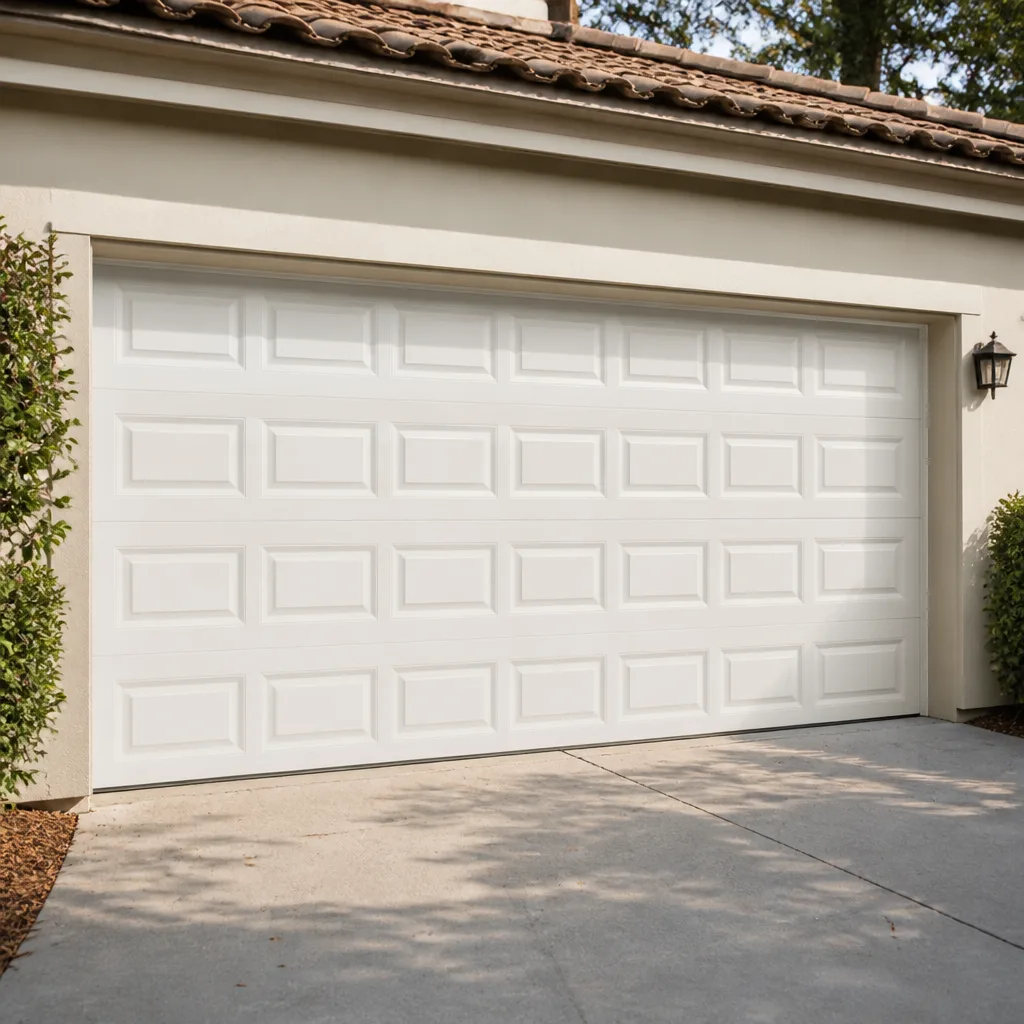 Raised-panel steel
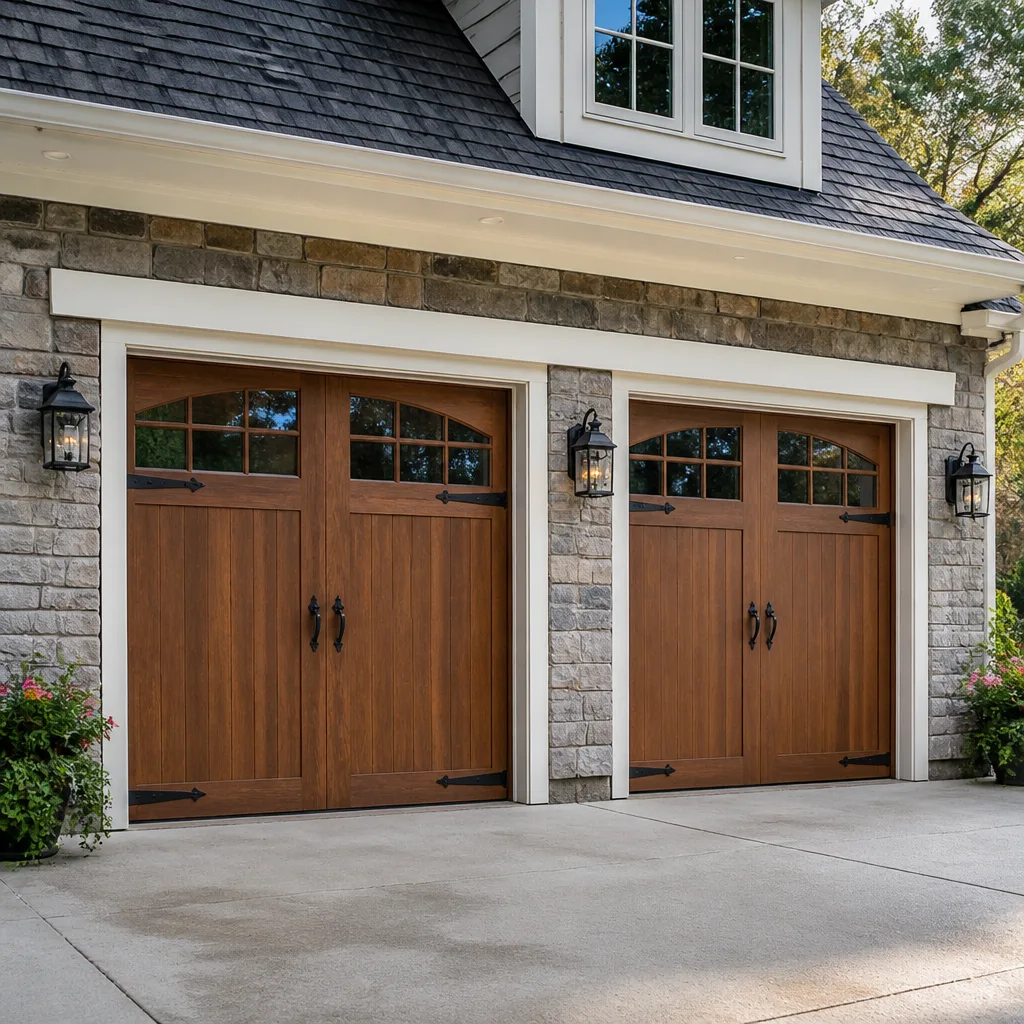 Carriage house
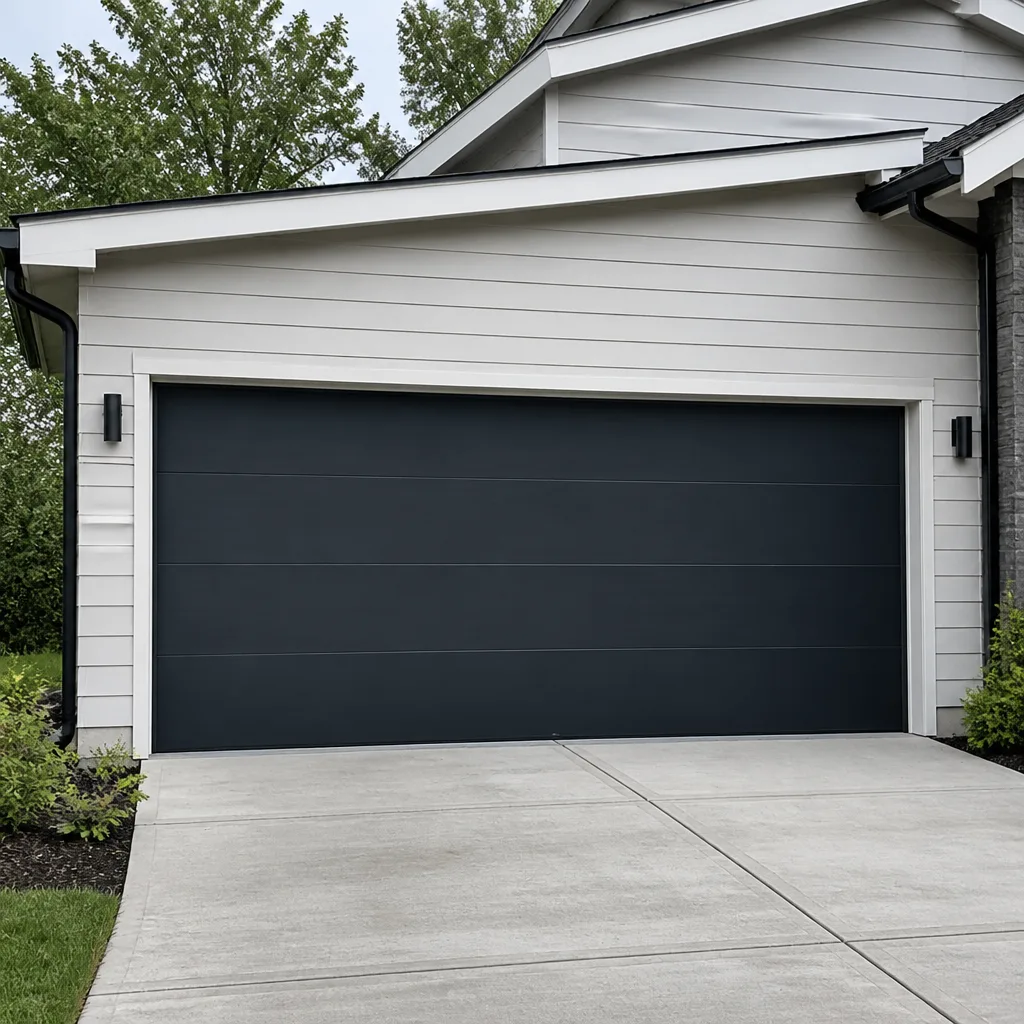 Modern flush
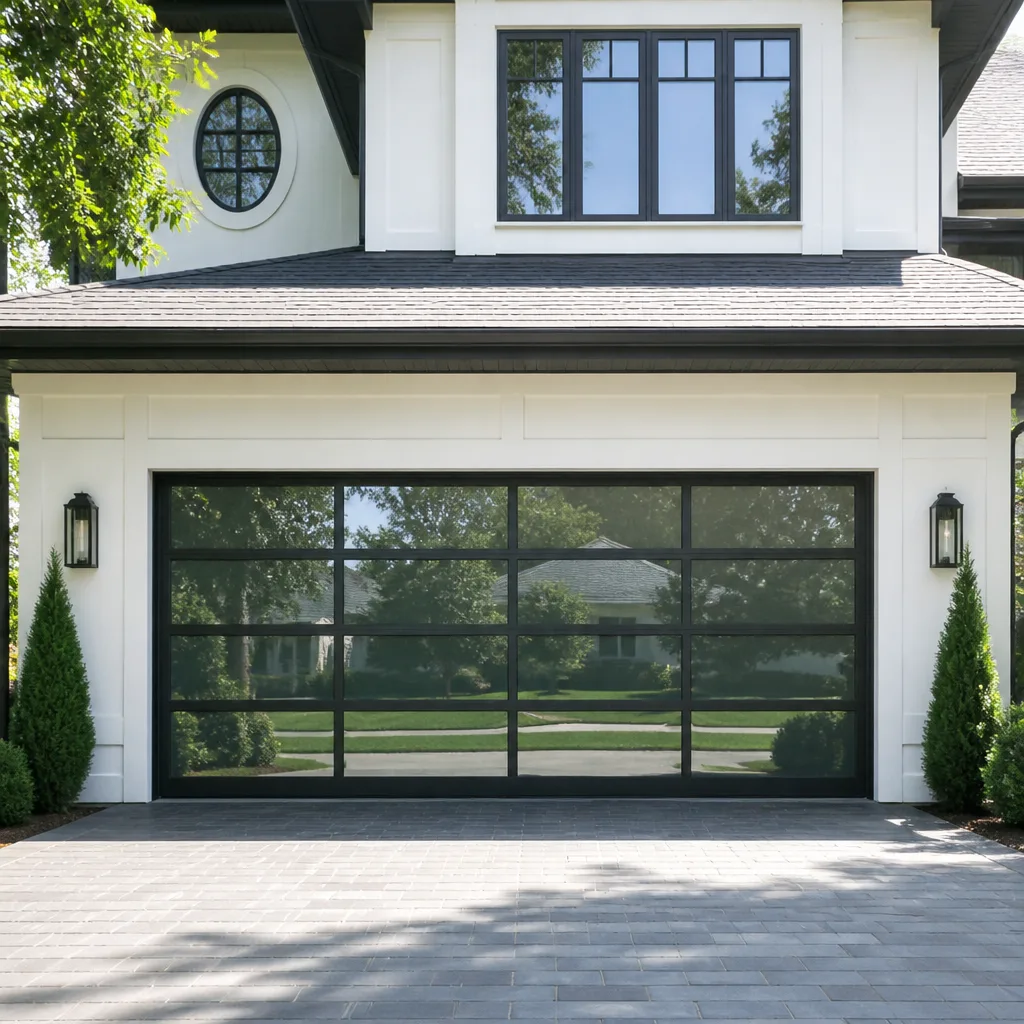 Full-view glass
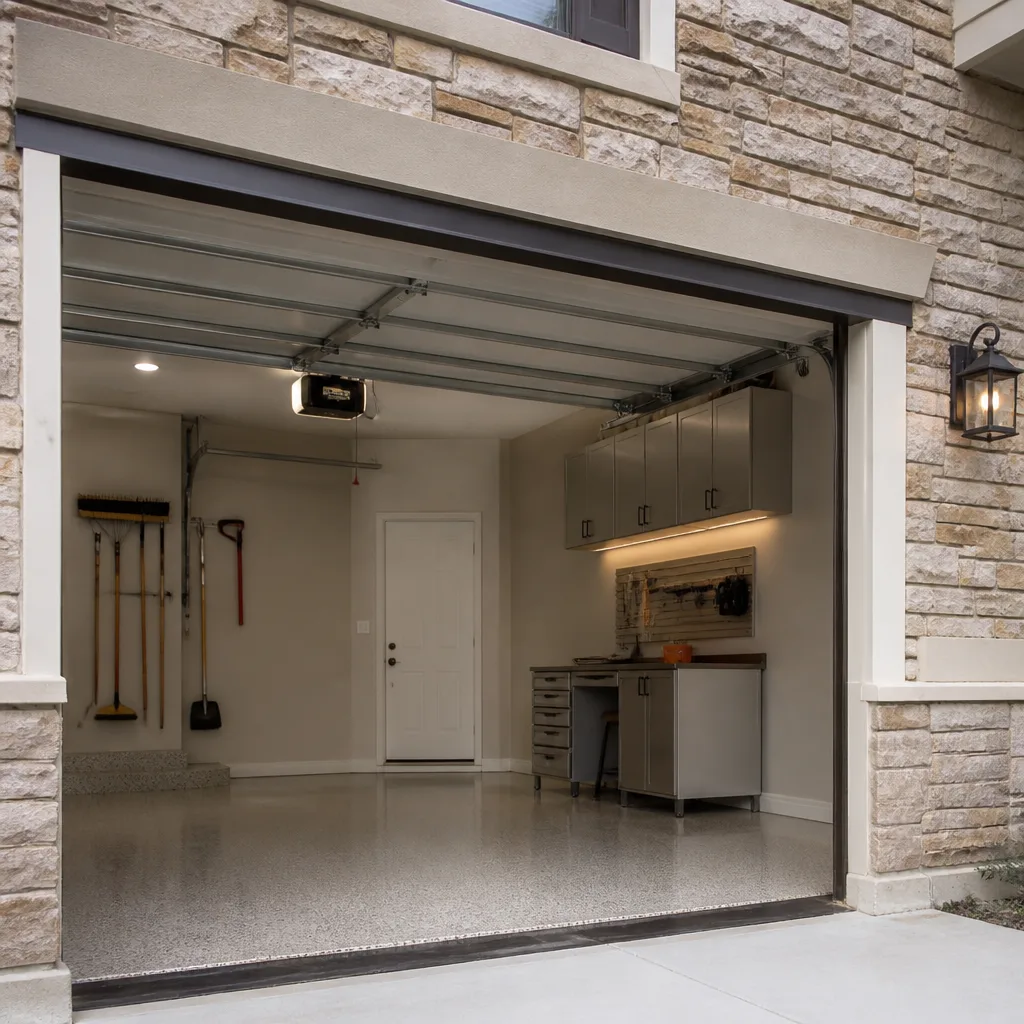 LiftMaster openers
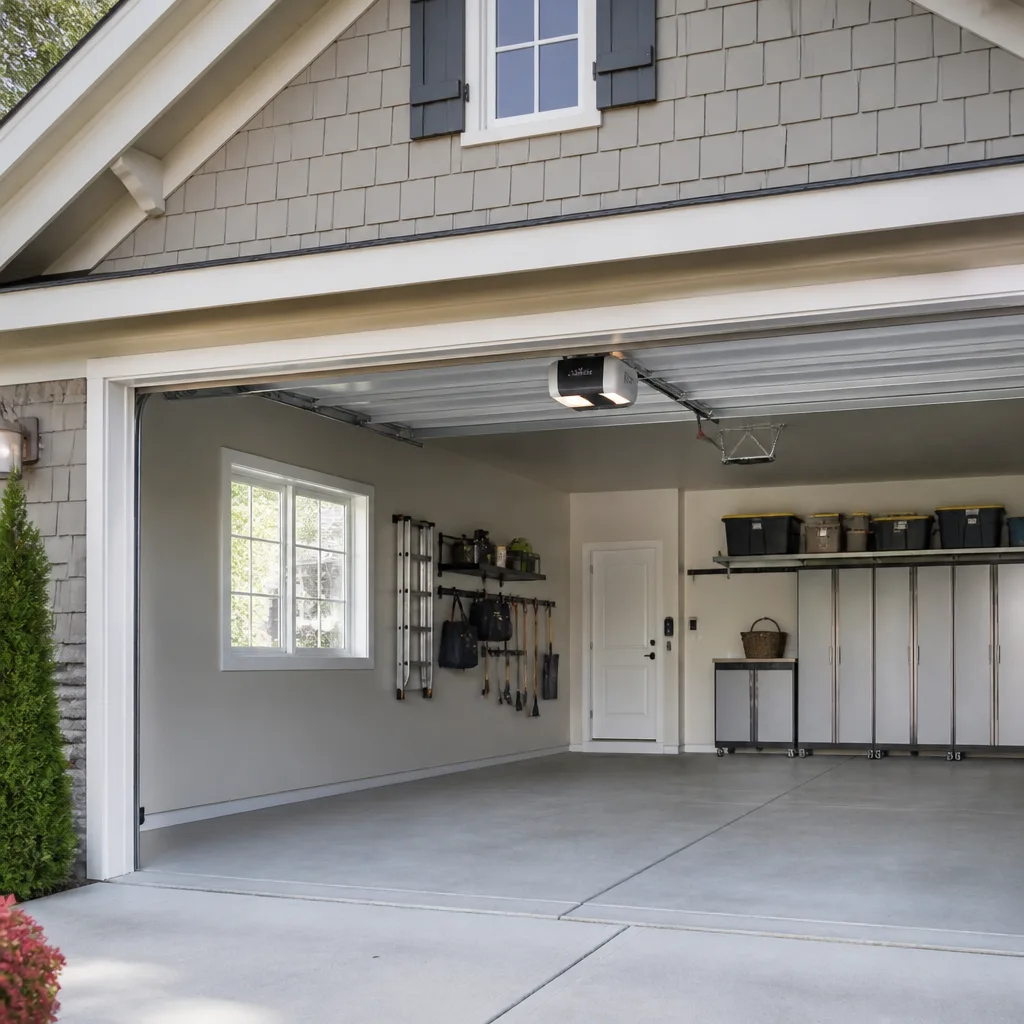 Chamberlain openers
Full 25-point door and opener safety check with every visit - springs, cables, rollers, tracks, and your LiftMaster or Chamberlain opener included
You get a price before we start. It does not change when the pro arrives.
Get your free estimateGarage Door Repair Maintenance Checklist for Bolingbrook Homeowners
Most garage door maintenance checklists tell you to “check the springs for wear.” Here’s the problem: a torsion spring looks identical the week before it snaps as it did three years ago. Visual inspection alone catches almost nothing that matters. The checks that actually prevent failures are measurement-based and sound-based, and most homeowners have never been shown the thresholds. In this guide, we pair every inspection step with the specific pass/fail result that means “act now,” separate what you can safely do yourself in Bolingbrook from what needs a trained technician, and lay out a seasonal schedule that fits this region’s freeze-thaw swings.
Quick Answer
A practical garage door maintenance checklist for Bolingbrook homeowners combines monthly safety tests (auto-reverse and photo-eye sensors), a lubrication pass every six to twelve months, and a visual-and-audio inspection of springs, cables, rollers, and hinges. The two tasks you should never attempt yourself are spring adjustment and cable work, because both involve stored mechanical energy that can cause serious injury. Everything else on this list is safe for a homeowner, provided you follow the pass/fail thresholds below.
Styles & brands we work with
- Raised-panel steel
- Carriage house
- Modern flush
- Full-view glass
- LiftMaster openers
- Chamberlain openers
Table of Contents
- Why Most Maintenance Checklists Fail You
- The Two Safety Tests You Should Run Every Month
- Springs and Cables: What to Look and Listen For
- Lubrication: Points, Products, and What Goes Wrong
- Rollers, Hinges, and Tracks: Reading the Wear Signs
- A Seasonal Schedule That Fits Bolingbrook Weather
- The Opener Check Most Homeowners Skip
- What You Can Do Safely vs. What Needs a Technician
Why Most Maintenance Checklists Fail You
A checklist that says “inspect the springs” is not a checklist. It’s a prompt to look at something you’re not trained to evaluate. Springs don’t show progressive rust-up before failure in any predictable way, and they can look identical for years before the metal fatigues past its limit. What you need instead is a result you can measure, a sound you can identify, and a symptom that tells you a component has crossed from “worn” into “replace now.” That’s the difference between maintenance that prevents breakdowns and maintenance that just makes you feel like you did something.
We’ve seen this play out across Bolingbrook homes, especially in subdivisions where garage doors face east or west and absorb the full afternoon sun through summer. Heat cycling speeds up spring fatigue, but the failure still happens without warning. The checklist below replaces every vague “check the X” with a specific criterion. If the result falls on the wrong side, you call. If it’s on the right side, you’ve genuinely confirmed the door is safe for now.
One more thing: your garage door is the largest moving object in your house, typically weighing between 130 and 300 pounds depending on material and size. Every spring, cable, and roller on that door is under tension whenever the door is closed. A checklist that ignores this is not a maintenance tool. It’s a liability.
The Two Safety Tests You Should Run Every Month
These are the tests a certified technician runs during any service visit, and you can replicate them at home in under five minutes. If either fails, stop using the door and call for garage door repair before the next open-close cycle.
Test 1: The Auto-Reverse Test (UL 325 Standard)
- Close the door fully, then open it and let it come back down.
- While the door is closing, hold a 2×4 board flat on the ground directly under the center of the door.
- Watch what happens when the door contacts the board.
Pass: The door reverses direction within about two inches of contacting the board and returns to the fully open position. Fail: The door stops on the board without reversing, or it continues pressing down before reversing. A failed auto-reverse test means the opener’s force limit is set too high, which is a serious safety issue for children and pets. Do not use the door until it’s corrected.
Test 2: The Photo-Eye Test
- Locate the two photo-eye sensors mounted about six inches off the floor on either side of the door opening.
- Confirm both LEDs are lit solid (green or amber, depending on the brand; a blinking LED signals misalignment).
- With the door fully open, wave a broom handle or similar object across the beam path while pressing the close button.
Pass: The door refuses to close or reverses immediately when the beam is interrupted. Fail: The door closes anyway. Check for a misaligned sensor, a dirty lens, or a loose wire connection. If realignment doesn’t fix it, the sensor or the opener’s logic board has a fault. On a LiftMaster or Chamberlain system, the diagnostic LED pattern on the motor head will point you to the cause. Misalignment after a bump from a garbage can or a bicycle is the most common reason the photo-eye fails in a busy Bolingbrook garage. Both tests take less than five minutes combined and are the single highest-value action on any maintenance checklist.
Springs and Cables: What to Look and Listen For
Springs and cables are where the stakes are highest, and where a homeowner’s inspection should stop short of touching. Here’s what you can safely observe, and what each observation means.
Springs: Extension vs. Torsion
Extension springs run alongside the horizontal tracks and are common on older doors. Torsion springs mount on a shaft above the door. Both types store enough energy to cause serious injury if they release suddenly. Visual signs to watch for:
- A visible gap in a torsion spring means the spring has already broken. The door will feel extremely heavy, and you should not attempt to lift it manually. Call for garage door spring repair.
- Rust-colored dust on the spring coil can indicate internal fatigue. It’s not a guaranteed failure signal, but it warrants a professional measurement of torsion force.
- Extension springs missing safety cables running through their center are a code concern. Safety cables contain a broken spring so it can’t whip across the garage. If yours are missing, schedule a technician to install them.
- Squeaking that gets progressively louder over weeks often points to a torsion spring under increasing strain. If lubricating the spring’s coil doesn’t quiet it, have the spring tension measured.
What you should not do: attempt to wind, unwind, adjust, or replace a spring yourself. The tools needed to safely release torsion tension are specific and not available at a hardware store. This is the one maintenance task where “leave it to a pro” isn’t a disclaimer, it’s a genuine safety requirement.
Cables: Visual Check Only
Cables run from the bottom corners of the door up to the spring system and are under constant tension. Look for fraying, kinks, or a cable that has slipped off a drum. Do not touch. A cable under load can snap with force. If you see any of these signs, close the door only if it moves smoothly and stop using it until a technician inspects.
Lubrication: Points, Products, and What Goes Wrong
The right lubricant on the right component extends door life. The wrong one causes damage, especially on nylon rollers and painted tracks, and we’ve seen both mistakes across Bolingbrook homes.
Where to Lubricate
- Torsion spring coil: A light coat of white lithium grease or a garage-door-specific spray reduces friction between coils. Apply at the coil, not the shaft.
- Hinges and pivot points: Two or three drops of light machine oil or lithium grease at each hinge joint. Lift the roller stem slightly to work lubricant into the bearing.
- Roller stems: Lubricate the metal stem where it meets the hinge bracket, not the roller wheel itself.
- Track curves: A very light wipe of lubricant on the curved sections at top and bottom of the track. No grease on the straight run of the track.
What NOT to Use
Never apply WD-40 or a silicone spray to nylon rollers. These products can react with the nylon and cause it to become brittle over time, leading to premature cracking. On painted steel tracks, an oil-based lubricant can soften the paint and cause buildup that attracts grit. Stick with white lithium grease or a lithium-based spray for metal-on-metal contact points, and keep lubricants off the photo-eye lenses entirely. If your rollers are the sealed-bearing type (common on newer garage door opener repair installations), they don’t need lubrication at all, and lubricating them can cause the seal to fail.
Frequency: twice a year is the standard recommendation for Bolingbrook doors, once in late spring and once in late fall, timed to the seasonal wear cycles below.
Rollers, Hinges, and Tracks: Reading the Wear Signs
These are the parts most homeowners can evaluate safely and replace with confidence if needed. Here’s how to know when “fine” turns into “replace.”
Rollers
Nylon rollers have a lifespan of roughly 10,000 cycles (about seven to ten years of typical use). Steel rollers last longer but run louder. Check each roller for:
- Flat spots or visible cracks in the nylon wheel. Replace.
- Wobble or a grinding sound when you spin the roller by hand. Bearing failure; replace.
- A roller that sits visibly off-center in its track. Either the roller is worn or the track is bent.
Hinges
Hinges connect door panels and bear much of the panel weight. Look for:
- Loosened screws (tighten with a screwdriver; do not over-torque, which strips the fitting).
- Cracked or bent hinge plates. A bent hinge is a safety risk because it can throw the door off balance.
- Hinge plate rust through the fastener holes. Replace the hinge, not just the screws.
Tracks
Tracks should be straight and parallel. Look at the gap between door edge and track on both sides. If the gap is uneven, the track has shifted and likely needs realignment. A deformed track usually follows a physical impact (bumped by a car, ladder, or storage bin). Realignment should be a technician’s task on the vertical sections because they carry the door’s weight; the horizontal track adjustment is a bit more forgiving but still requires care.
A Seasonal Schedule That Fits Bolingbrook Weather
The cycle of cold winters and hot summers in Bolingbrook puts particular stress on springs, tracks, and the opener gear. A maintenance schedule should anticipate those cycles, not just follow the calendar. Here’s how we’d lay it out.
Late Spring (May-June)
- Full lubrication pass: springs, hinges, roller stems, and track curves.
- Auto-reverse and photo-eye test.
- Visual spring inspection (check for dust, rust, and coil-separation).
- Roller inspection: this is when heat expansion starts showing fatigue cracks on nylon wheels.
Late Fall (October-November)
- Full lubrication pass before temperatures drop below freezing; cold thickens grease and can mask a worn bearing.
- Weather seal inspection on the door bottom; cracked seals let cold air into the garage and can signal a misaligned track.
- Opener safety test before winter.
- Hardware tightening: bolts on track brackets and hinges loosen faster after a summer of thermal cycling.
Monthly Year-Round
- Safety tests (auto-reverse and photo-eye).
- Listen for changes in sound on each opening. A new squeak or grind is a leading indicator of wear.
These timings are a practical guide, not fixed dates. Doors that face southwest and get intense afternoon sun may benefit from an additional lubrication check mid-summer. Older extension-spring doors in Bolingbrook might need closer monitoring year-round on the springs themselves.
The Opener Check Most Homeowners Skip
The opener is a motor with a logic board: it’s the part that triggers every movement, but also the part that most people never examine. A few signs that your opener is under strain:
- A door that reverses immediately after closing (without the auto-reverse test being done) points to a force setting issue or an obstruction message from the photo-eye system.
- Sluggish response or a door that seems to labor in the first two inches of travel usually means opener spring tension is off or the motor gear is worn.
- Random open-close cycles can come from a failing remote, a crossed wire, or a neighbor’s remote on a nearby frequency. On a LiftMaster or Chamberlain unit, check whether the remote battery is fresh and whether the opener’s antenna wire is intact.
- A grinding noise from the opener housing often signals a worn drive gear, especially in Genie and Chamberlain belt-drive units.
What you can safely check:
- Battery condition in each remote and in the wall control (if it’s battery-powered).
- Visual condition of the opener rail and whether the emergency-release cord drops low enough to reach without a stool.
- Whether the opener’s force and travel settings were altered (if you can access them, review only, do not change without knowing the correct values).
What requires a technician: any internal opener repair, drive gear replacement, logic board work, or travel-limit adjustment. If your door uses a Raynor opener that seems to strain, that points to a mechanical tension issue rather than an electronics problem, and it may tie back to spring balance. Call (833) 696-3327 if you’re unsure whether it’s the opener or the door; the diagnosis determines which repair is needed, and we’ll tell you clearly.
What You Can Do Safely vs. What Needs a Technician
Doing maintenance yourself saves money and gives you a real feel for the door. But some tasks are genuinely dangerous, and it’s important to know exactly where the line is and why.
Safe for Homeowners
- Auto-reverse and photo-eye testing.
- Lubrication of springs, hinges, and roller stems with the correct product.
- Tightening loose bolts on hinges and track brackets.
- Visual inspection of rollers, hinges, cables (look only, do not touch), and spring coil condition.
- Remote battery replacement and basic opener code resets.
- Clearing the photo-eye lenses with a dry cloth.
Needs a Technician
- Any spring adjustment, repair, or replacement. Torsion springs are under hundreds of pounds of stored torque; release tools are specific to the task.
- Any cable work. A released cable can cause laceration injuries.
- Track realignment on the vertical sections. The door’s weight bears on these tracks.
- Opener force and travel setting changes. Incorrect settings are a safety hazard and can damage the motor.
- Roller replacement on the bottom bracket. The bottom roller bracket is under constant tension from the cable system.
One more distinction: if your door is older and you’re unsure whether it’s safe to test, err on the side of a professional assessment. A door that’s been sitting closed for months can have a spring that’s already failed; opening it risks injury if the balance is gone. Our technicians have up to 11 years of experience and service all the major opener and door brands including LiftMaster, Chamberlain, Genie, Raynor, Clopay, Amarr, Wayne Dalton, and Craftsman. If a spring has failed or a cable is frayed, call us for a free estimate before the door is used again.
Common Mistakes to Avoid
- Lubricating nylon rollers. Nylon rollers need no lubrication and can degrade more quickly if coated with oil or silicone. If you have sealed-bearing rollers, skip them entirely; only lubricate metal stems.
- Adjusting the opener’s force limit without understanding what it does. Cranking up force to stop the door from reversing hides the real problem and disables the auto-reverse safety function, which is a serious hazard for kids and pets.
- Trying to straighten a bent vertical track with the door in place. Vertical tracks bear the door’s weight. A misadjusted track can cause the door to drop. This should be a technician’s job.
- Ignoring the photo-eye alignment after a bump. A garbage can that brushes the sensor can leave the beam misaligned, and the door won’t close. It takes two minutes to realign, but most homeowners assume the opener has failed and call for repair.
- Skipping a fall lubrication pass. Cold weather thickens lubricant. On a Bolingbrook door that didn’t get lubricated before winter, the rollers and hinge pins can wear faster and the opener may strain during cold open-cle cycles.
- Treating a spring that’s already broken as a “repair at your convenience” item. A door on a broken torsion spring is either extremely heavy or unbalanced. Every additional cycle risks injury or damage to the opener or door panels.
- Using WD-40 as a general door lubricant. WD-40 is a solvent and light lubricant designed for loosening and protecting hardware; on the spring coil and pivot points, white lithium grease lasts longer and stays put.
See the difference
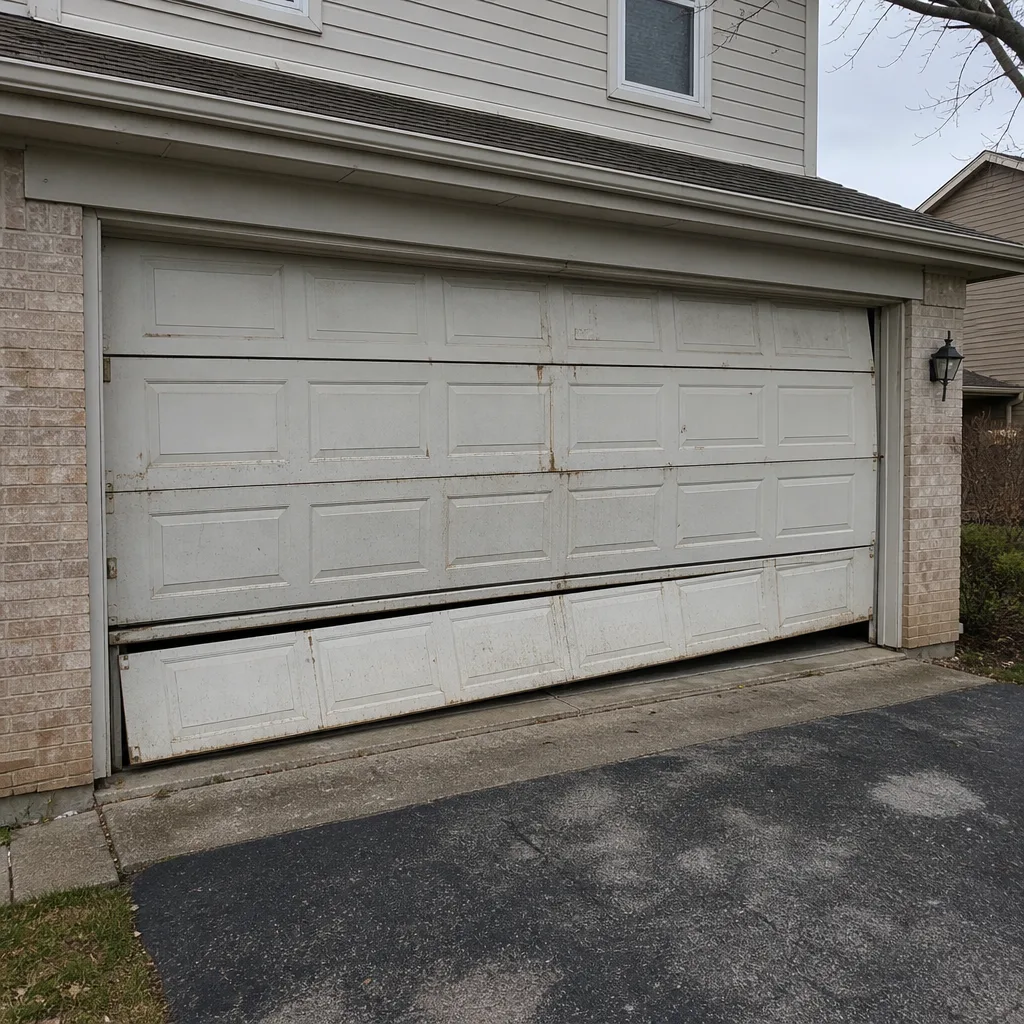 Before
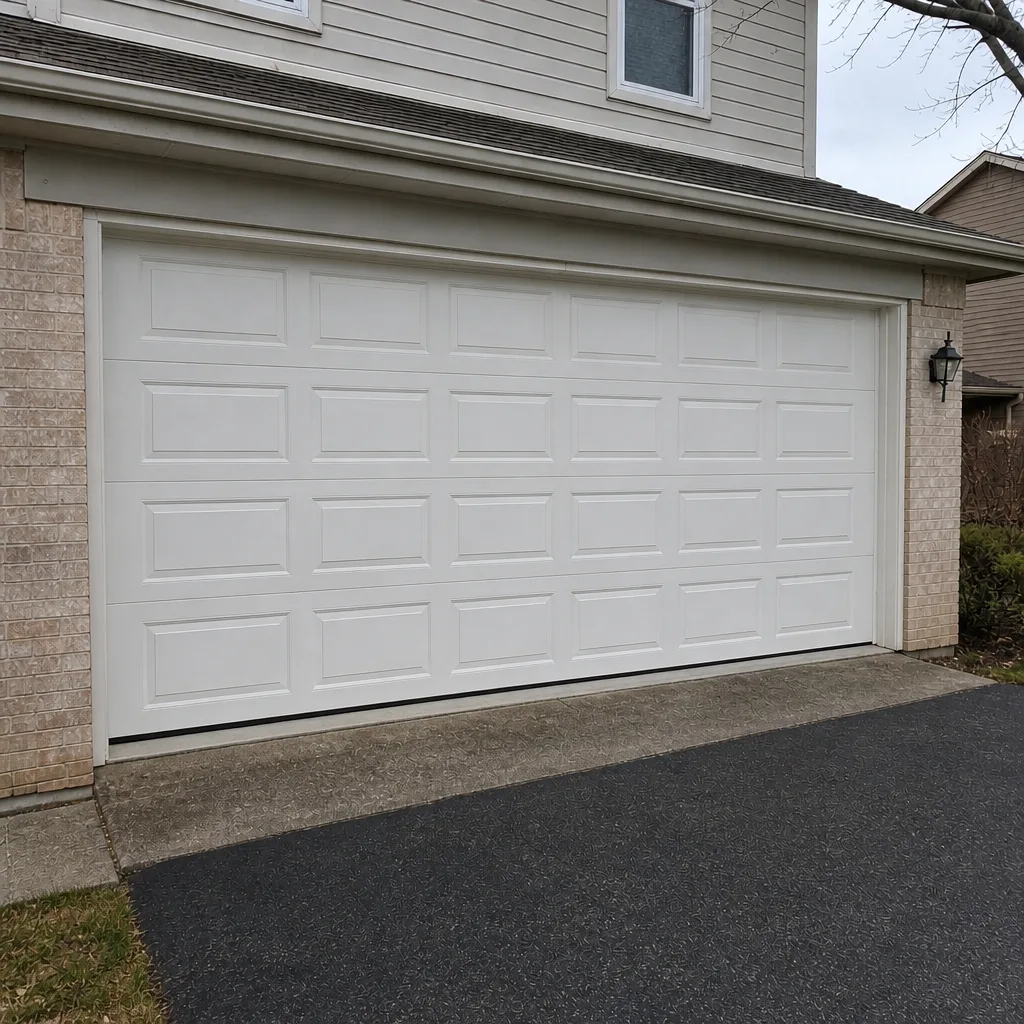 After
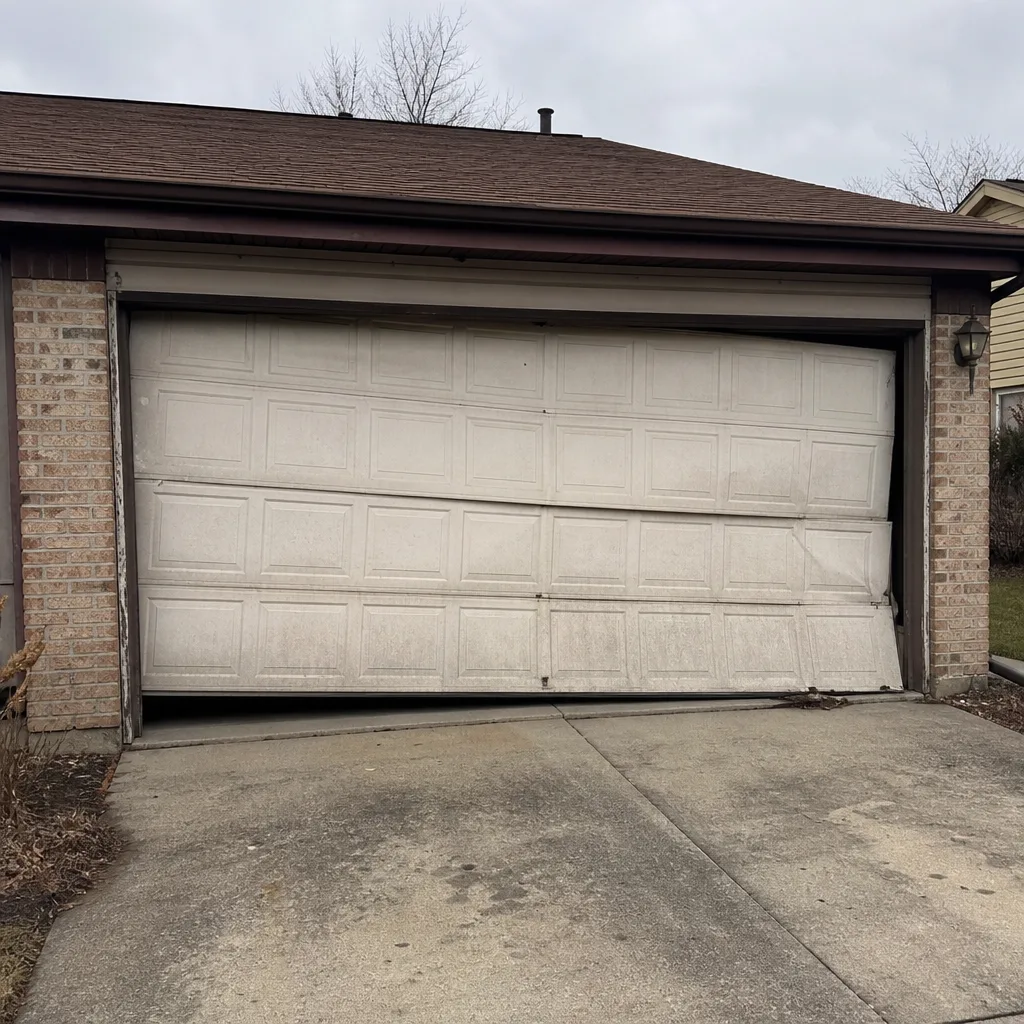 Before
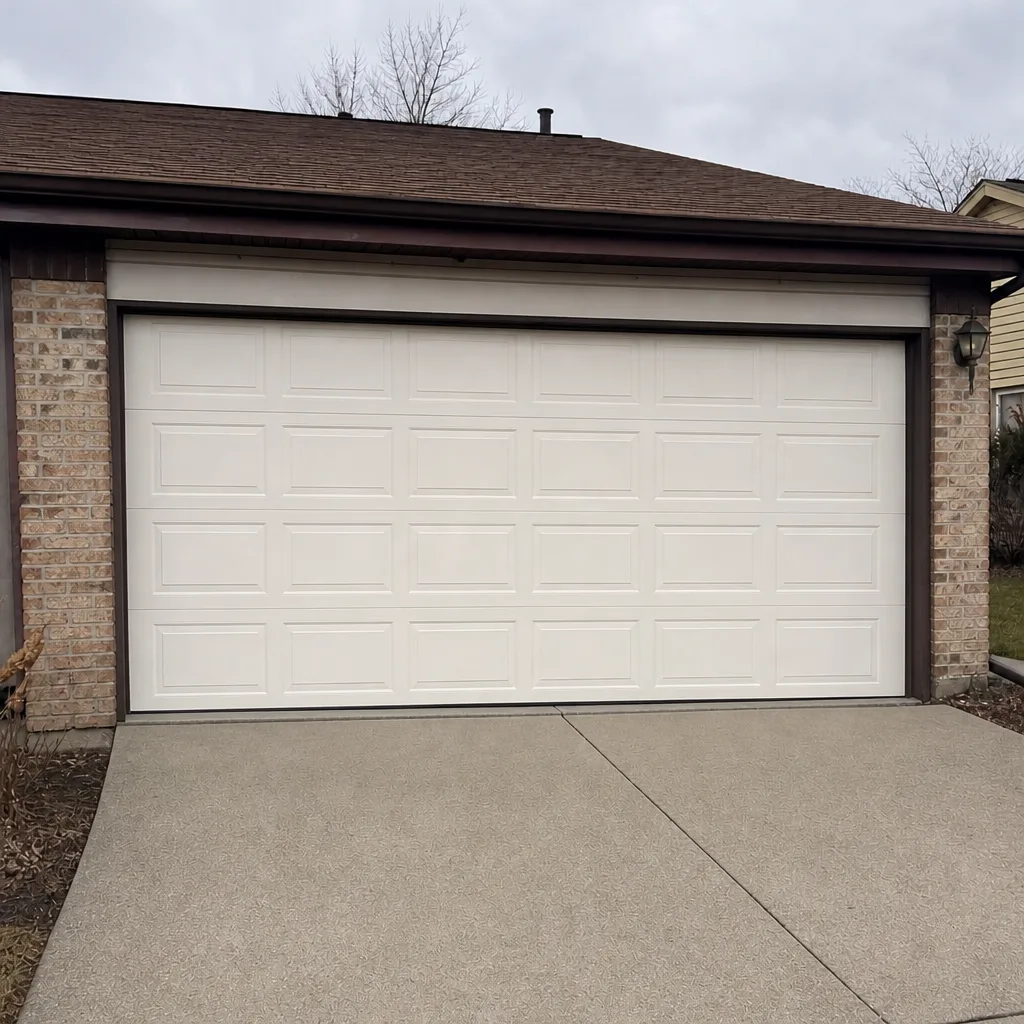 After
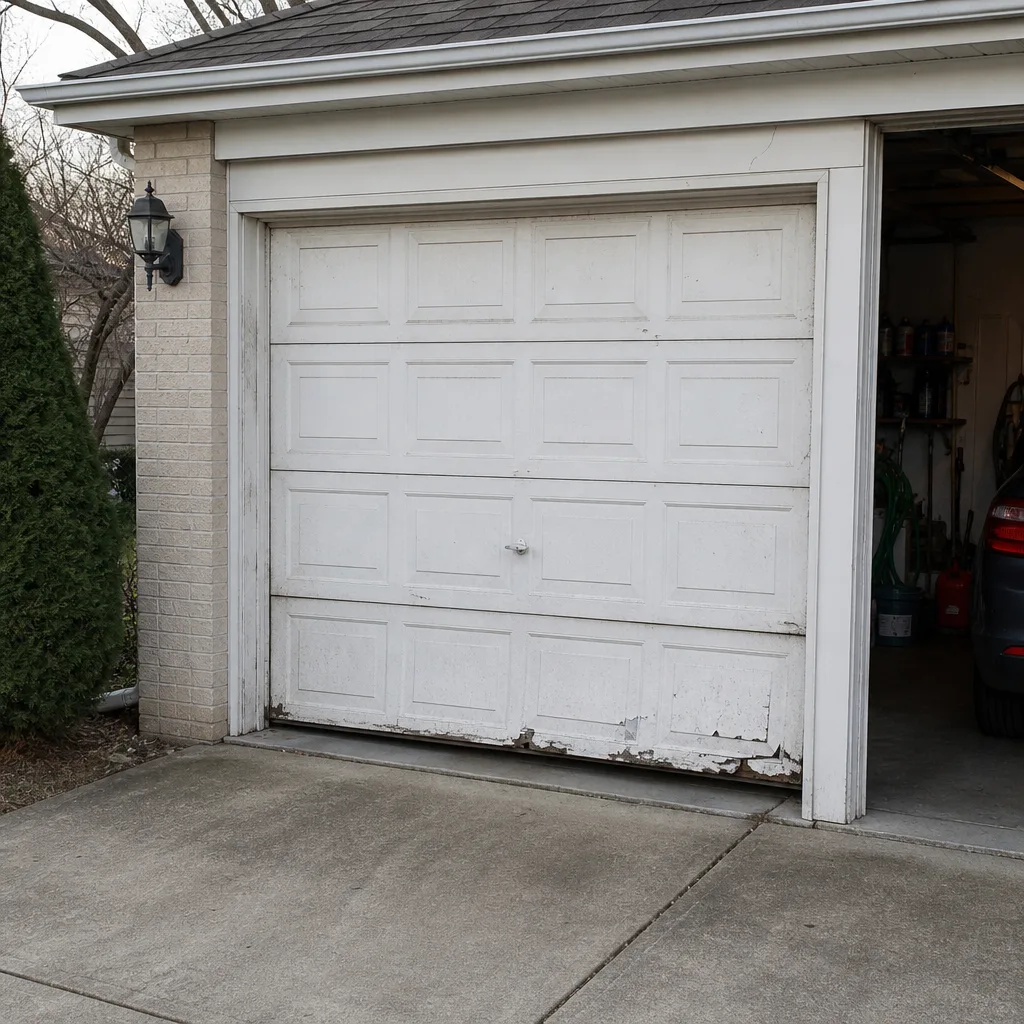 Before
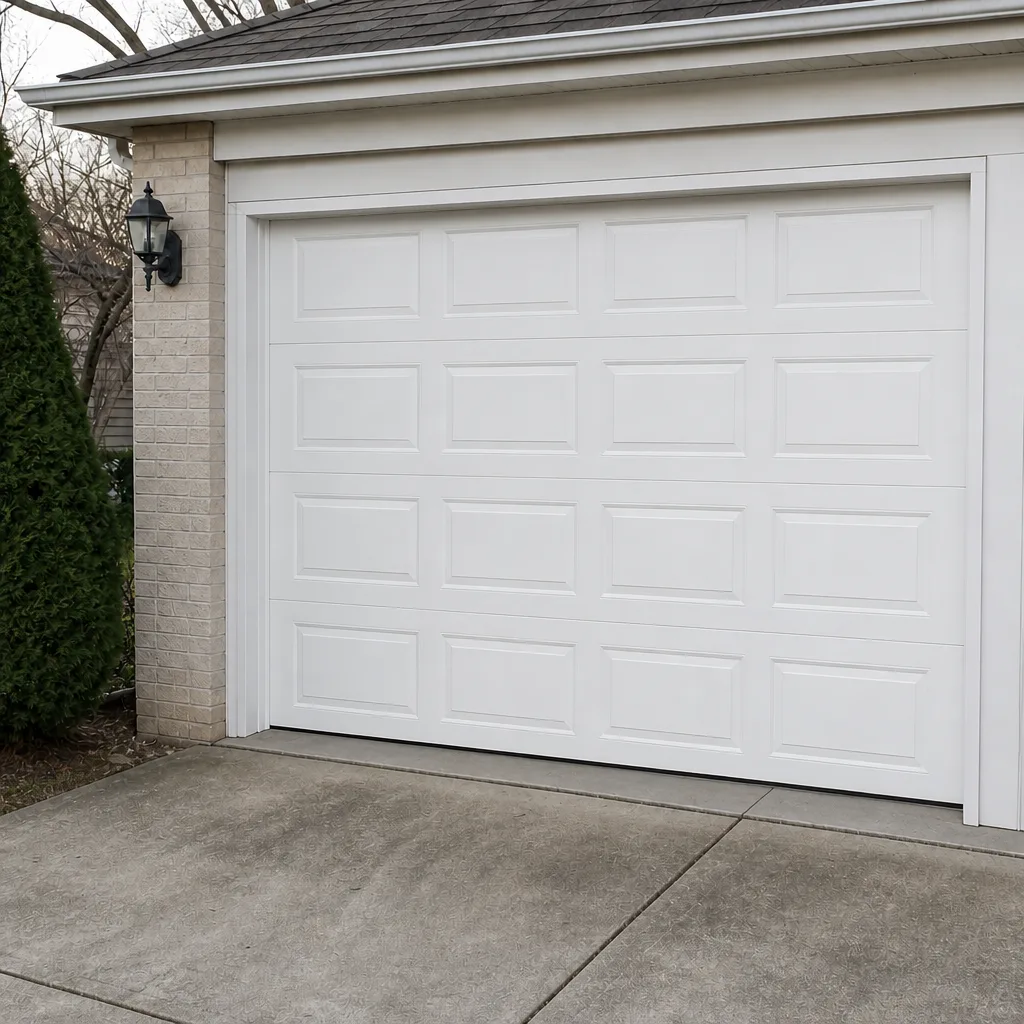 After
When to Call a Professional
Some situations are clearly a technician’s job: a broken spring (visible gap, the door won’t stay open on its own, a loud bang on last opening), a door that’s off its tracks, a snapped cable, or a door that reverses before it hits the floor, or stops when it should reverse. Photo-eye failure that doesn’t resolve after cleaning and realignment also points to a technician. And any opener behavior that involves force or travel settings being adjusted outside spec.
If you’re unsure, call. A free estimate on a door check is cheaper than a bent panel or an injured back. Garage Door Repair Bolingbrook offers free estimates in Bolingbrook. Call (833) 696-3327; we answer 24/7, with fast dispatch from 7am to 7pm, Sunday through Friday.
Frequently Asked Questions
Run the two safety tests monthly, a full lubrication pass twice a year, and a visual inspection quarterly. In Bolingbrook, the freeze-thaw cycle makes late-fall and late-spring your key maintenance windows because cold-weather thickening and summer heat exposure stress the components differently. If your door faces south or west and gets full sun, add an extra lubrication check midsummer. Call (833) 696-3327 for a free estimate if anything seems off during your own checks.
No. Do not attempt spring adjustment yourself, even after watching a tutorial. Torsion springs hold stored energy in the hundreds of pounds range. The tools and knowledge required to safely de-tension a spring are specific, and the injury potential is real. A trained technician is the right call every time, and our team handles spring repair as a safety-critical task rather than a quick commodity fix. Call (833) 696-3327 for spring inspection; estimates are free.
Cold-weather squeaking is usually a lubrication issue, not a component failure. Cold thickens existing grease, so the spring coil and hinge pins move with more friction until the door cycles a few times. A late-fall lubrication pass with white lithium grease reduces the squeak. If the noise continues after lubrication, it could be a bearing or a spring. Call (833) 696-3327 to have it diagnosed; estimates are free.
The auto-reverse test works the same across major opener brands. Lay a 2×4 flat on the ground under the closing door and let it contact. The door should reverse within roughly two inches. If it stops without reversing, the force limit is set too high; this is a safety issue that requires a technician. LiftMaster and Chamberlain units show a diagnostic LED pattern on the motor head that can help narrow the cause. Call (833) 696-3327 if the test fails; estimates are free.
Use white lithium grease or a garage-door-specific lithium spray on hinges, roller stems, and the torsion spring coil. Avoid WD-40 for long-term lubrication, and never use silicone spray or oil on nylon rollers. The wrong product can soften the plastic on nylon rollers or attract grit into track curves, and that grit accelerates wear. Call (833) 696-3327 if you’re unsure what’s on your door; estimates are free.
Yes. A torsion spring that breaks suddenly can allow the door to drop fast, and if a car is parked beneath it, the impact can cause damage. The door falling is the risk, not the spring itself; the spring simply stops holding the door’s weight. That’s why a visible gap in the torsion spring means the door should not be used until it’s repaired. Call (833) 696-3327 for same-day spring service; we answer 24/7, with fast dispatch from 7am to 7pm, Sunday through Friday.
The Bottom Line
A maintenance checklist is only valuable if it gives you a test result you can act on. “Check the springs” tells you nothing. “Look for a visible gap in the torsion coil” tells you exactly when to pick up the phone. The two monthly tests (auto-reverse and photo-eye) are the highest-value, lowest-risk checks you can run, and the seasonal lubrication pass fits Bolingbrook weather. Everything that involves springs, cables, or track alignment on the vertical sections belongs to a trained technician. Our technicians have up to 11 years of experience and service all major door and opener brands, so you keep the equipment you already own. For repair, opener, spring, or installation needs, call Garage Door Repair Bolingbrook at (833) 696-3327 for a free estimate. We answer 24/7, with fast dispatch from 7am to 7pm, Sunday through Friday.
Written by the team at Garage Door Repair Bolingbrook.