
Last updated November 23, 2026
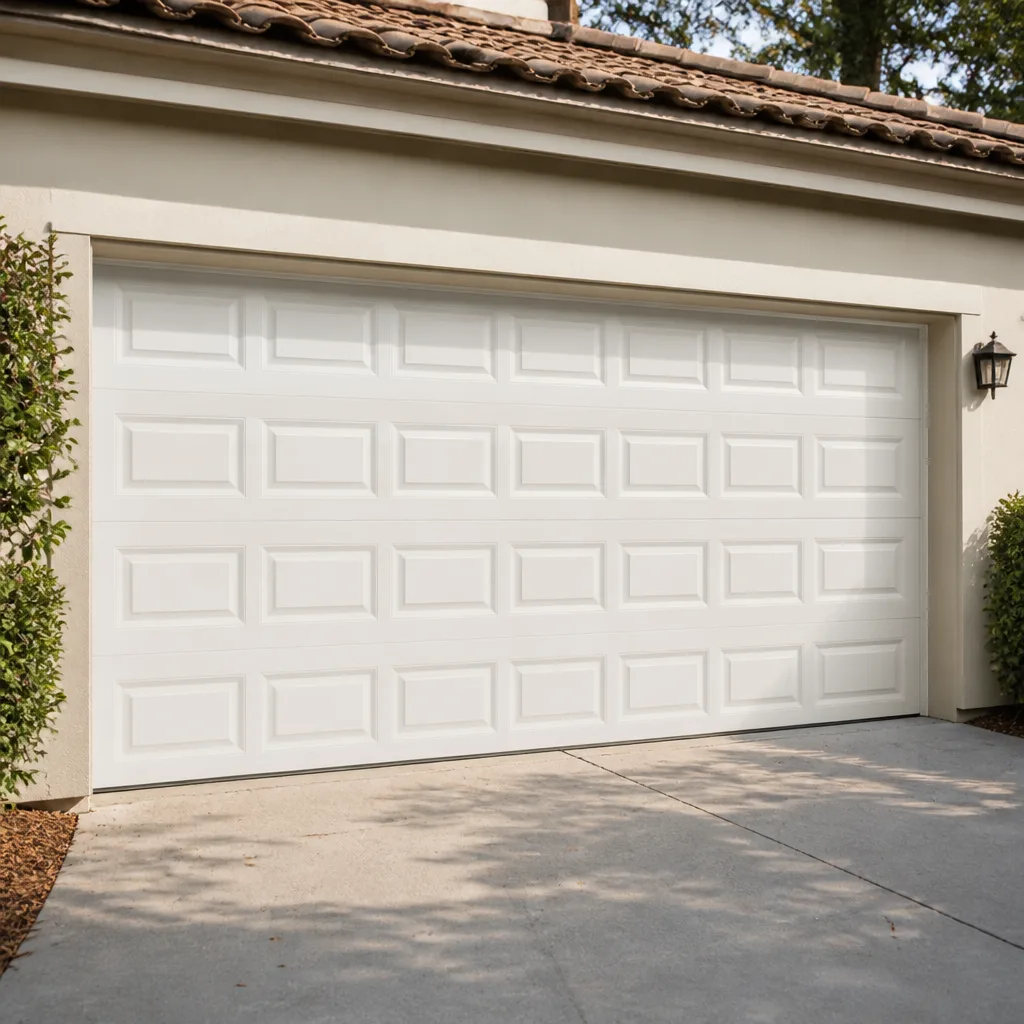 Raised-panel steel
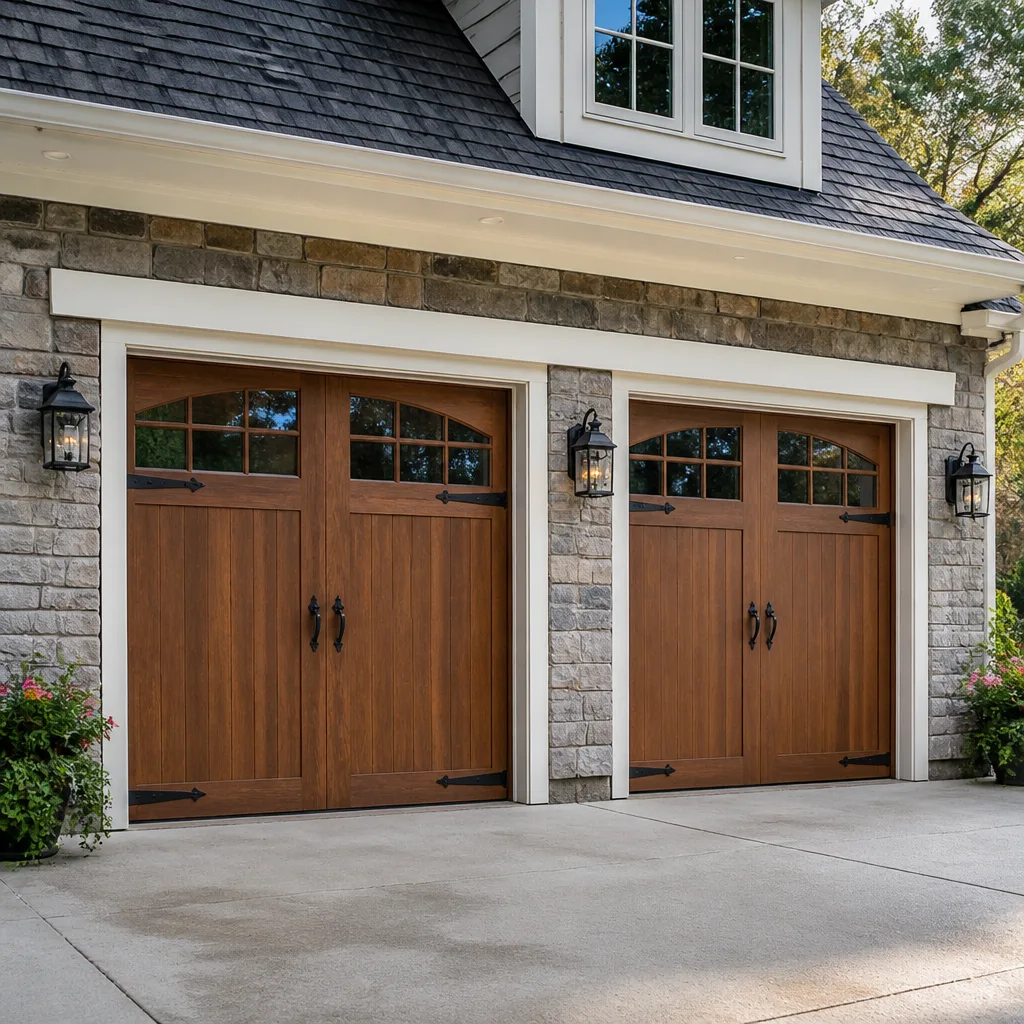 Carriage house
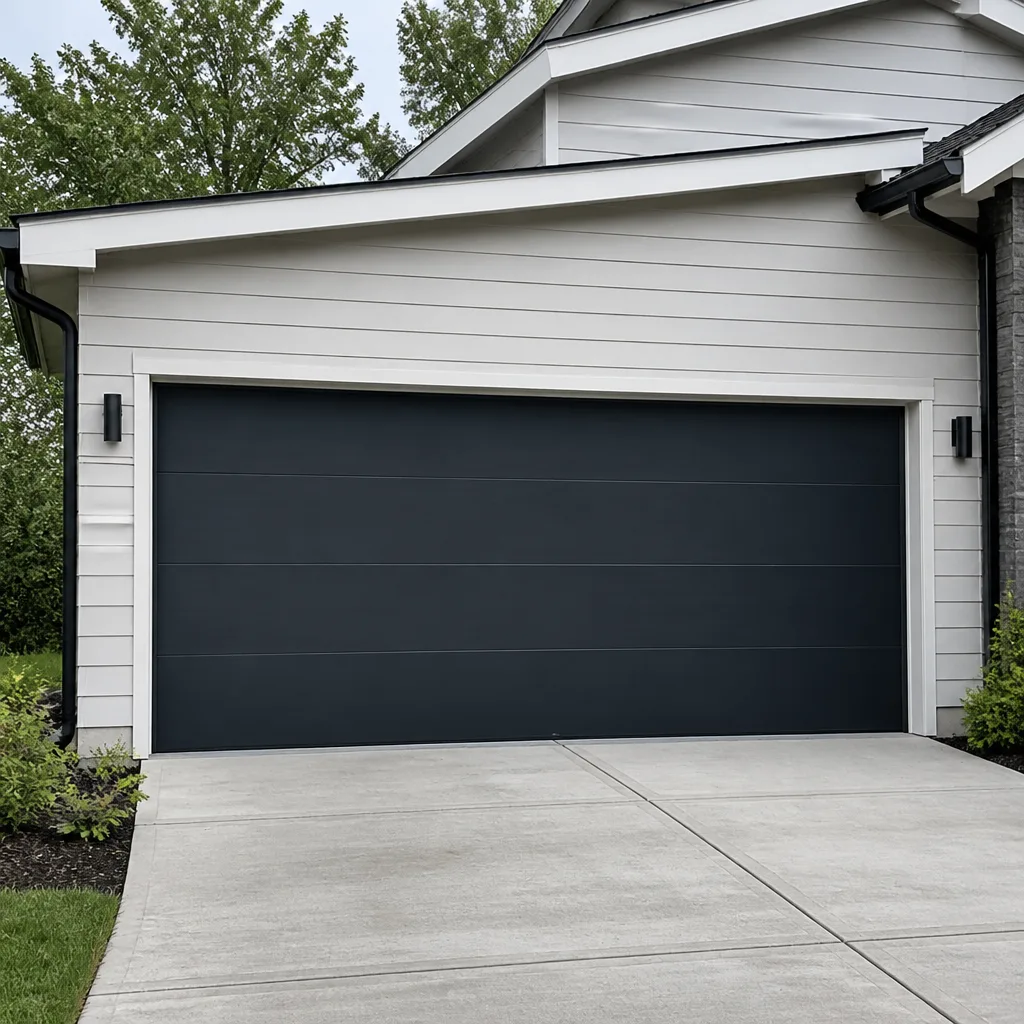 Modern flush
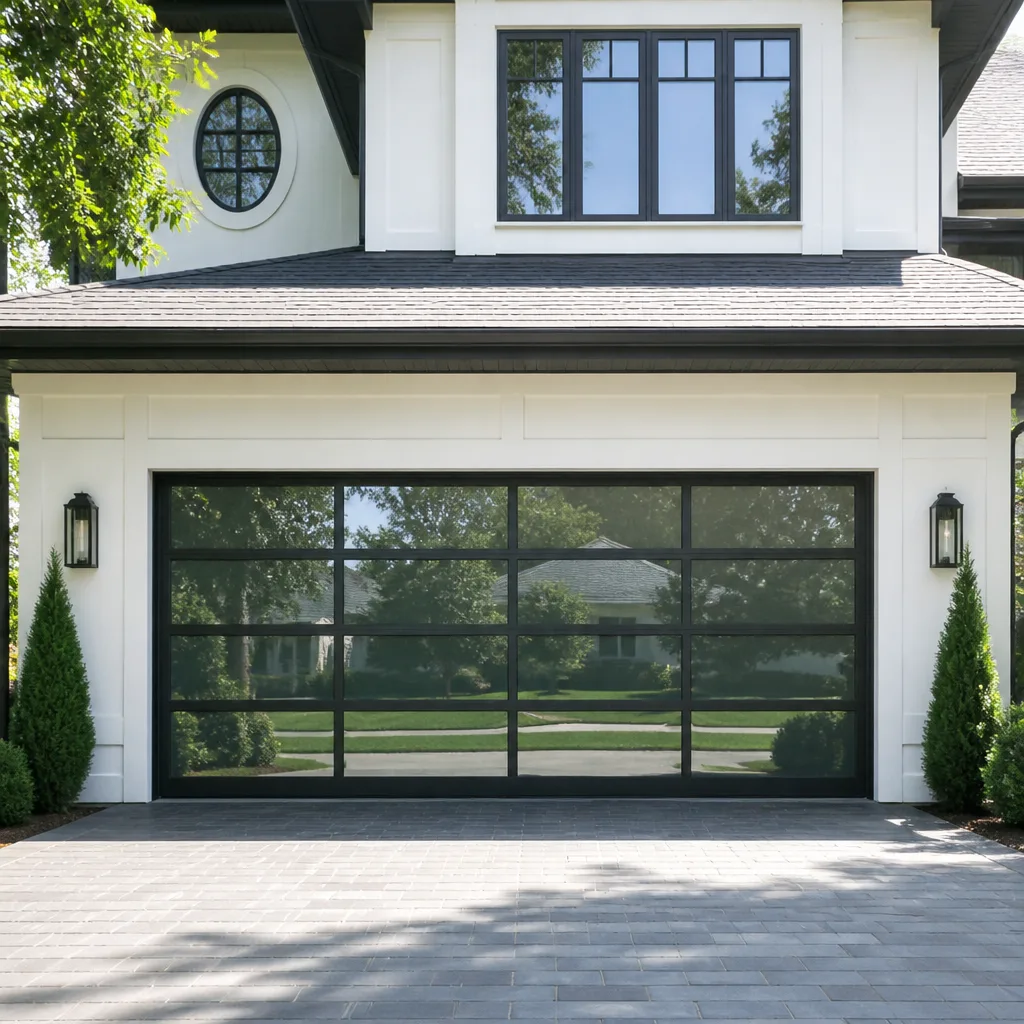 Full-view glass
 LiftMaster openers
 Chamberlain openers
Full 25-point door and opener safety check with every visit - springs, cables, rollers, tracks, and your LiftMaster or Chamberlain opener included
You get a price before we start. It does not change when the pro arrives.
Get your free estimateGarage Door Repair Troubleshooting in Bolingbrook: Common Problems and How to Fix Them
A garage door that “just stopped working” is almost never one problem. It’s usually one problem that triggered a second failure, and fixing only the second one guarantees a callback within weeks. A door that reverses for no clear reason often has a misaligned sensor, not a broken opener. A door that strains at the bottom of its travel may be dragging on a frost-heaved threshold, not losing motor power. This guide walks through your door as a system, component by component, so you can isolate the actual cause instead of chasing the symptom. We’ll cover the checks you can safely make yourself in Bolingbrook, the ones that call for a technician, and how to describe the problem clearly before anyone arrives.
Quick Answer
Garage door troubleshooting starts by sorting the fault into three buckets: mechanical (springs, cables, tracks, rollers), electrical (opener, sensors, wiring, remote), and structural (bent panels, binding weatherstrip, a shifting threshold). Check the small, safe things first – remote batteries, sensor alignment, a manual-release test – and stop the moment you suspect a spring or cable. Anything involving stored spring tension is a trained-technician job, full stop. The symptom matrix and diagnostic sequence below will help you name the problem accurately so a repair in Bolingbrook starts at the first phone call.
Styles & brands we work with
- Raised-panel steel
- Carriage house
- Modern flush
- Full-view glass
- LiftMaster openers
- Chamberlain openers
Table of Contents
- Is It Mechanical, Electrical, or Structural?
- The Bolingbrook Freeze-Thaw Problem Most Homeowners Misread
- Safe DIY Checks and Hard Stops: What to Touch and What to Leave Alone
- The Symptom-to-Cause Matrix: 8 Failure Patterns Decoded
- Springs and Cables: Why These Two Aren’t DIY Territory
- Opener and Sensor Troubleshooting in Sequence
- How to Document Your Problem Before You Call
- When to Call a Professional
Is It Mechanical, Electrical, or Structural?
Before you replace a remote battery or assume the opener died, sort the fault into the right category. That single step saves most homeowners a wasted trip and points a technician at the right part before the truck rolls. In our experience, roughly the same three categories come up again and again, and knowing which one you’re facing changes how you troubleshoot everything else.
Mechanical faults live in the door’s moving hardware. Springs, cables, rollers, hinges, tracks, and the torsion shaft all fall here. Signs point to mechanical when the door is uneven, noisy in a grinding way, sags on one side, or won’t move at all even with the opener disengaged.
Electrical faults live in the opener and its low-voltage chain: the motor, the logic board, the safety sensors, the wiring, the remote or wall control. Signs point to electrical when the door works from one control but not another, or the opener clicks, hums, or flashes its light without moving the door.
Structural faults are the door body and the opening. Bent or cracked panels, a binding weatherstrip, a warped bottom seal, or a threshold that has heaved out of level all count here. A door can be mechanically and electrically fine and still catch, bind, or reverse because the frame and threshold have moved.
To narrow it down in one safe move, pull the opener’s manual release (the red cord) so the door is disconnected, then lift it by hand. If it moves freely and balances at the halfway point, your fault is likely electrical. If it’s heavy, stuck, or uneven, you’re looking at a mechanical or structural problem – and if you feel the weight of the door resist you hard, stop and call a technician rather than forcing it. That’s a spring or cable talking, and we’ll explain why below.
The Bolingbrook Freeze-Thaw Problem Most Homeowners Misread
Here’s the local factor that trips up more Bolingbrook homeowners than any other: freeze-thaw cycles on the concrete threshold, and the seal drag they create. Through winter, the concrete apron in front of a garage slab takes on moisture, freezes, thaws, and shifts. The bottom rubber seal presses down on that apron every time the door closes. When the apron heaves even a fraction, the seal starts dragging, and the door behaves like an opener problem when the real fault is at floor level.
What does that misdiagnosis look like? The door starts slowly, stalls, reverses near the bottom, or grinds as it seats. A homeowner assumes the opener has lost power and calls for a motor replacement. Meanwhile the actual fix is a seal adjustment, a threshold correction, or a travel-limit recalibration – not new hardware.
You’ll see this pattern most in older subdivisions and on north-facing driveways where meltwater refreezes and stays longer. If your door fights you only in the coldest stretch and behaves normally once the ground thaws, freeze-thaw is the prime suspect. It’s one reason a proper diagnosis matters here more than in milder climates: the same symptom can mean a $180 sensor adjustment or a spring repair, and guessing wrong is how people pay for the wrong part.
Watch for these telltale signs of threshold drag rather than opener failure:
- The door moves normally in warm months and labors in cold snaps.
- The bottom seal shows a flattened or scuffed band where it meets the concrete.
- The door reverses just before it fully seats, then works if you hold the wall control.
- You can see light or a gap under one corner where the apron has shifted.
When the door is dragging on a shifting threshold, the fix is usually seal, track, or travel-limit work rather than a new opener. Getting that sorted correctly is a routine part of garage door repair in this climate.
Safe DIY Checks and Hard Stops: What to Touch and What to Leave Alone
Not every troubleshooting step belongs in a homeowner’s hands, and knowing the line is what keeps you safe. Here’s the split we recommend: a short list of checks you can do safely, and a firm list of hard stops where you call a technician. The reasoning matters as much as the list, because a garage door stores serious mechanical energy.
Safe checks you can do:
- Replace the remote battery. If one remote fails and the wall control still works, it’s almost always the battery or the remote’s programming, not the opener.
- Test each control separately. Try the wall button, each remote, and the keypad. A fault that appears on every control points at the opener; a fault on one points at that control.
- Visually check the safety sensors. Look for a steady light on each sensor at the bottom of the tracks. If one is dark or blinking, look for an obstruction, dust, or a bumped bracket – and realign so the lenses face each other.
- Wipe the sensor lenses. Dust and cobwebs from a dry, windy stretch are enough to break the beam and cause random reversal.
- Try the manual release. Pull the red cord, disengage the door, and lift it by hand to feel whether it balances and moves freely. This tells you mechanical versus electrical without touching anything dangerous.
- Look at the tracks. With the door closed and the opener off, eyeball the vertical and horizontal tracks for obvious bends or debris. Don’t force anything back into place.
Hard stops – call a technician:
- Any spring work. Torsion and extension springs hold enormous stored tension. A torsion spring under load can cause severe injury if a winding bar slips or a cable lets go. Never try to adjust, wind, or remove one.
- Cables. Cables are under high tension and can snap with force. Don’t touch a frayed or slack cable.
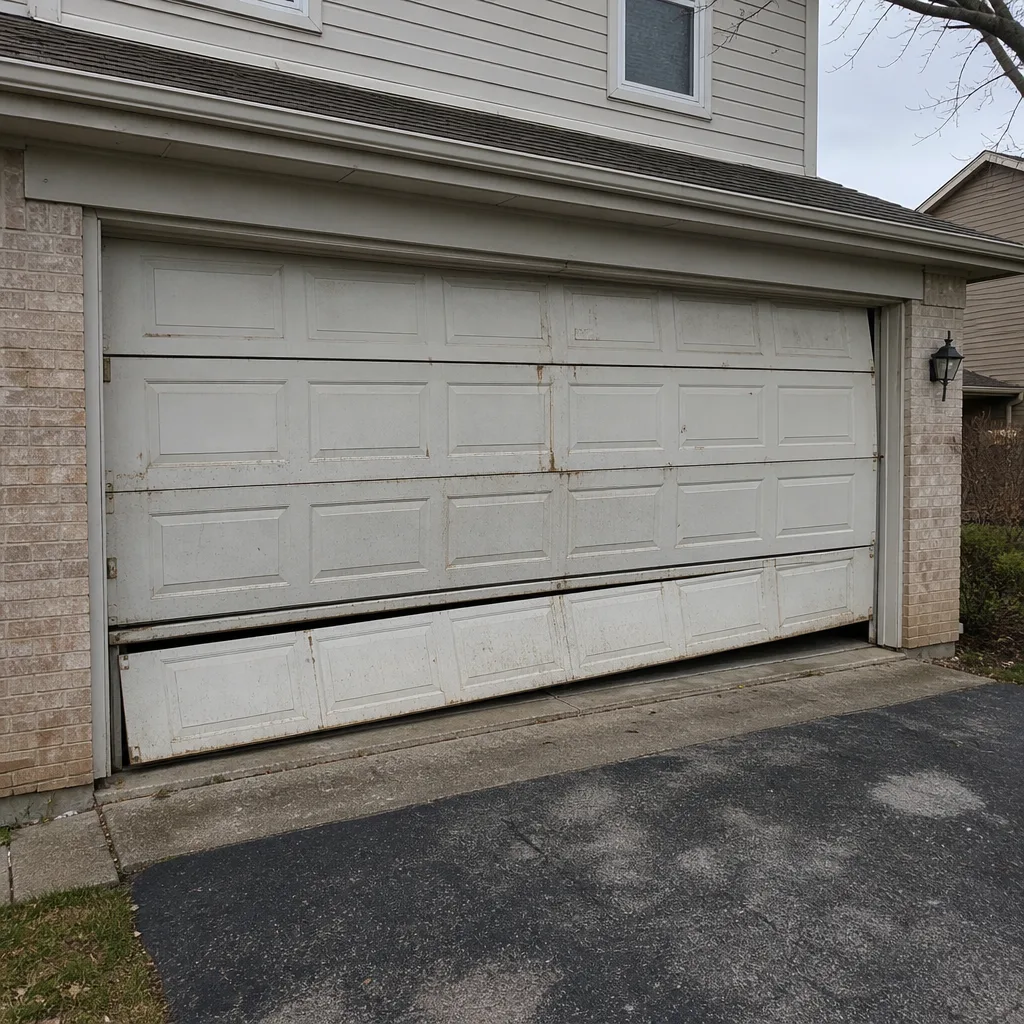
- A door that’s off-track or hanging unevenly. Forcing a crooked door back onto its tracks can bend panels or drop the door.
- Opener internals or electrical work. The opener’s wiring and any circuit-level work belong to a qualified tech.
The rationale is simple: springs and cables are the components that seriously injure people, and a trained technician has the tools and correct spring sizing to handle them safely. Our technicians treat torsion and extension spring repair as a safety-critical specialty rather than a quick swap. Everything above the line – batteries, sensors, controls – you can safely handle; everything below it, hand it to a pro.
The Symptom-to-Cause Matrix: 8 Failure Patterns Decoded
The fastest way to troubleshoot is to match what your door is doing to the component most likely responsible. Below are the eight failure patterns we see most in Bolingbrook, mapped to probable root causes. Use this as a guide to describe your problem accurately, not as a license to repair the dangerous parts yourself.
- 1. Loud bang, then door won’t open. Probable cause: a broken torsion or extension spring. The door is now dead weight. Stop using it and call for spring repair.
- 2. Grinding or scraping as the door moves. Probable cause: dry or worn rollers, a bent track, or a binding seal. This is a mechanical issue, and if the seal is dragging on a shifted threshold, suspect freeze-thaw first.
- 3. Squealing or high-pitched squeak. Probable cause: dry hinges, rollers, or the torsion shaft needing lubrication – a maintenance issue, not a failure.
- 4. Door reverses immediately after closing. Probable cause: a misaligned or dirty safety sensor, or an obstruction in the beam. Check the sensors first.
- 5. Door opens a foot and stops. Probable cause: a travel-limit setting that’s out of adjustment, or a binding door the opener’s force setting is rejecting. If the door balances freely by hand, it’s likely the limit; if it binds, it’s mechanical.
- 6. Opener hums but the door doesn’t move. Probable cause: a stripped drive gear, a broken chain or belt, or the door being locked or manually disengaged. Check the manual release first, then suspect the opener.
- 7. No response at all. Probable cause: a dead remote battery, a tripped wall control, a power interruption, or a failed logic board. Test each control separately to isolate it.
- 8. Door sags on one side or looks crooked. Probable cause: a broken or stretched cable, a snapped spring on one side, or a bent track. This is a hard stop – don’t operate the door.
Notice that the loud-bang and sagging-door patterns both point to springs and cables, which is exactly why they belong in a technician’s hands. Garage door spring repair should always start with correct spring sizing and professional tools, since a mismatched spring will fail early and put the door’s balance at risk. For the electronic patterns, start with the sensors and controls before assuming a dead opener, and if the opener itself is at fault, that falls to garage door opener repair.
Springs and Cables: Why These Two Aren’t DIY Territory
Springs and cables are the two components where a homeowner’s mistake can cause serious injury, so let’s be direct about why they’re a hard stop. A garage door’s springs counterbalance the door’s weight – typically a few hundred pounds of door, held in check by a spring wound to just the right tension. That stored energy is always present, even when the door is closed and quiet.
A torsion spring is wound under load and held by set screws on a shaft. Adjusting it requires winding bars and a precise feel for tension. If a bar slips or the wrong spring size is installed, the spring can release suddenly. Cables sit under tension along each side of the door and can snap. This is why spring repair is a specialty, not a commodity job: the correct spring sizing, the right tools, and the right sequence all matter, and a mismatched spring will wear out early or leave the door unbalanced.
Telling the torsion versus extension distinction is easy and safe to do from a distance. Torsion springs run horizontally above the door on a shaft across the opening; extension springs run along the tracks on each side, stretching and contracting as the door moves. Either way, the treatment is the same: leave it alone and call a technician.
What to do if you suspect a broken spring or cable:
- Stop operating the door, by remote or wall control.
- Keep the opener disengaged if it already is, and don’t force the door up or down.
- If a car is trapped or the door is stuck open and the house is unsecured, treat it as urgent and call for same-day service.
- Clear the area under the door and don’t let anyone stand beneath it.
Springs fail from age and cycle count more than from any single event, but a hard jolt or a door that’s been fighting a dragging seal for months can bring failure forward. If your door is making a loud bang on open, there’s a good chance it’s the spring – and the right move is a trained repair, not a hardware-store replacement.
Opener and Sensor Troubleshooting in Sequence
Electrical faults tend to come in a predictable order, so work through them in sequence rather than guessing. That saves time and points a technician straight at the culprit. We’ve serviced every major opener brand enough to know that most “dead opener” calls are really sensor or control issues, and the fix is often small.
Start at the sensors. Look at the two small units at the bottom of your tracks. Each should show a steady light. If one is dark or flickering, clean the lens, remove any obstruction, and check that the brackets are square and facing each other. A bumped bracket from a car or a bag of yard waste is a common cause of random reversal in Bolingbrook, and it’s a safe fix.
Then test the controls. Try the wall button, each remote, and the keypad. If only one remote fails, replace its battery or reprogram it. If all controls fail but the opener’s light comes on, the logic board or the wall control may be at fault. If the opener hums without moving, suspect the drive gear, chain, or belt – or a door that’s been left in manual release.
Next, check power. Confirm the opener has power at the outlet, and check the wall control for a tripped lock or vacation mode. On Wi-Fi-enabled systems – including LiftMaster and Chamberlain myQ models – connectivity issues can mimic a control failure, so check the app’s connection before assuming hardware.
Finally, check the travel limits and force settings. These often drift on a door that’s been dragging on a frost-heaved threshold, which is why the freeze-thaw factor and the electrical check overlap. If the limits are the fault, that’s a calibration job best left to a tech who can also confirm the door is moving freely. When the issue traces to the opener itself, professional opener repair is the next step, and because we service Genie, LiftMaster, Chamberlain, and the other common brands, we can keep your existing equipment rather than steering you toward a replacement.
How to Document Your Problem Before You Call
Good documentation makes diagnosis start at the first phone call instead of on the driveway, and it gets your repair moving faster. A technician who already knows the symptom, the timing, and what you’ve ruled out can arrive with the right part and the right focus.
Before you call, note these details:
- What exactly happens. Does the door not move at all, move a foot and stop, reverse, or grind? Write it in plain words.
- When it happens. Only in cold weather, only from a remote, only after a power flicker, or all the time. Timing is a strong clue.
- Which controls fail. Wall button, remote, keypad, or app – note which work and which don’t.
- What you’ve already tried. Fresh remote batteries, a manual-release test, sensor cleaning. This saves the tech from repeating safe checks.
- The brand and model. Check the opener’s label and the door’s brand – Clopay, Amarr, Wayne Dalton, or another. It tells us which parts to bring.
- Whether a car is trapped or the door is stuck open. This changes the urgency of your call.
- A photo or short video. A clip of the door in motion shows a tech more than a paragraph can.
This is also where you choose your repair company. A specialist that services every major brand can keep your equipment rather than nudging you toward whatever it happens to stock, and one team that both repairs and installs means no finger-pointing between a repair tech and an installer if the fix ever involves replacement parts. If your door is at the end of its life rather than repairable, that same company can handle the garage door installation from start to finish, so you’re not handed off to a subcontractor.
Common Mistakes to Avoid
- Replacing the opener when the fault is a sensor. A dirty or bumped safety sensor causes more “dead opener” calls than failed motors. Check the sensors before you spend on hardware.
- Blaming the door when it’s the concrete. In Bolingbrook’s freeze-thaw climate, a heaving threshold creates seal drag that looks exactly like opener failure. Fix the threshold or seal, not the motor.
- Forcing a crooked or sagging door back into place. A door hanging unevenly usually has a broken spring or cable. Forcing it can drop the door or bend panels.
- Buying a spring off the shelf. Springs are sized by door weight and cycle life. A mismatched spring wears out early and leaves the door unbalanced – this is a job for correct sizing and proper tools.
- Ignoring a cold-weather change. If the door only misbehaves in winter, treat it as a freeze-thaw signal, not a one-off, and get it checked before the next cold snap.
- Testing the manual release with the door up. Pulling the red cord while the door is open can let it drop. Disengage with the door closed and a clear area beneath it.
- Waiting on a loud bang. A snapped spring means the door is dead weight and the house may be unsecured. Don’t keep forcing the opener; call for same-day help.
See the difference
 Before
 After
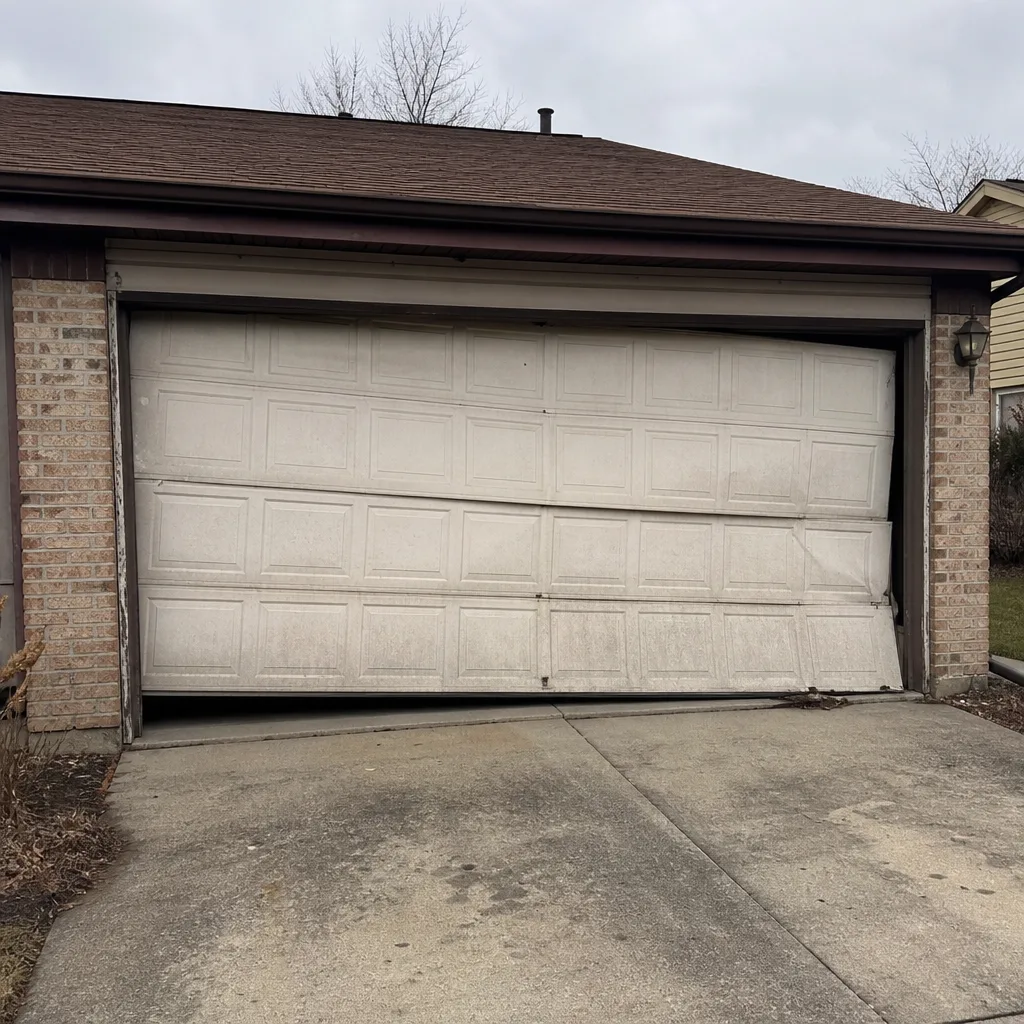 Before
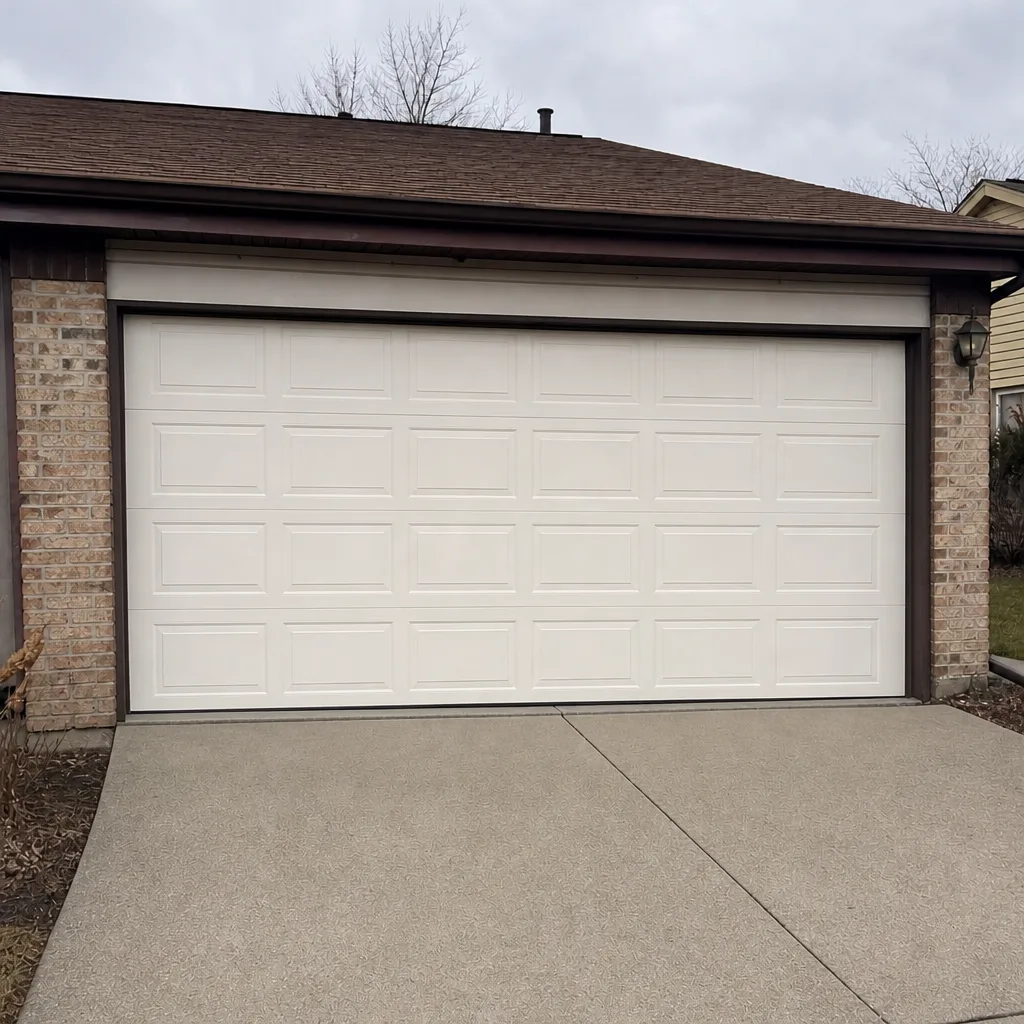 After
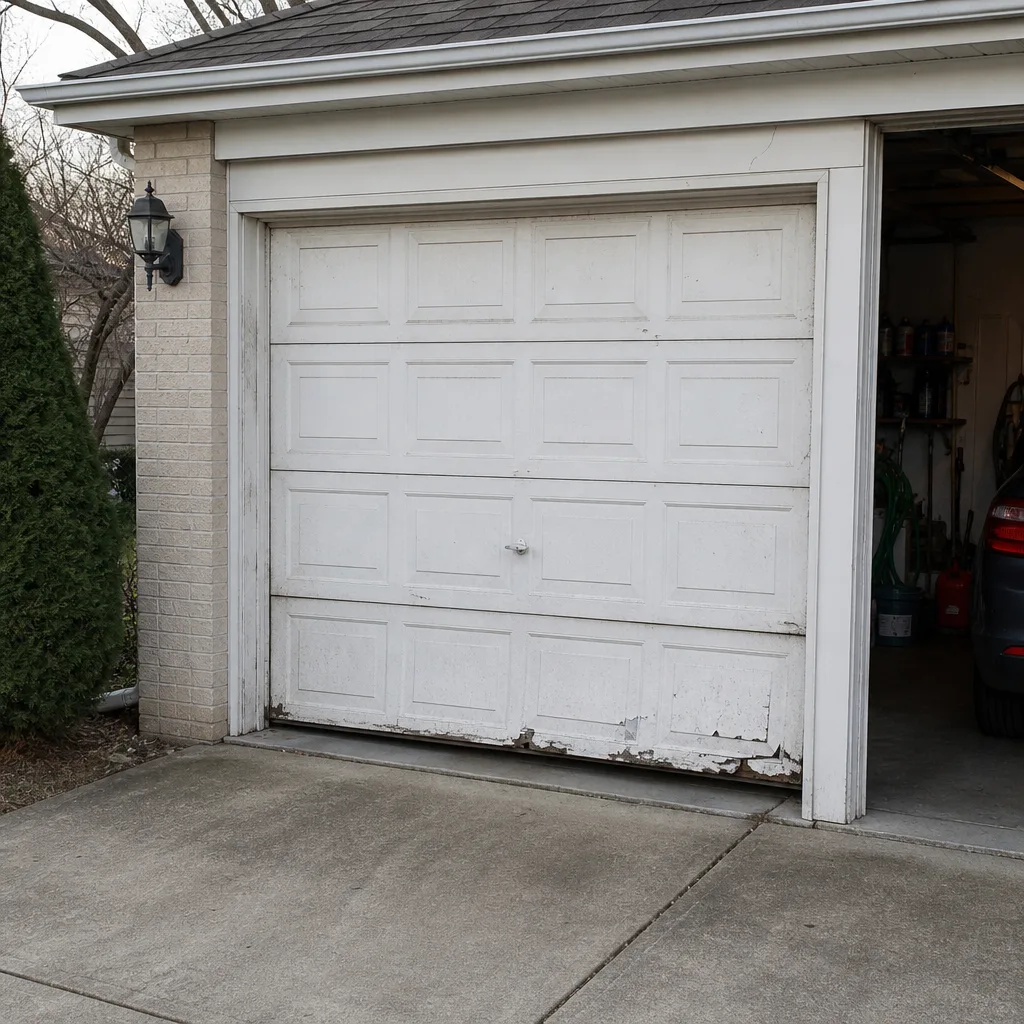 Before
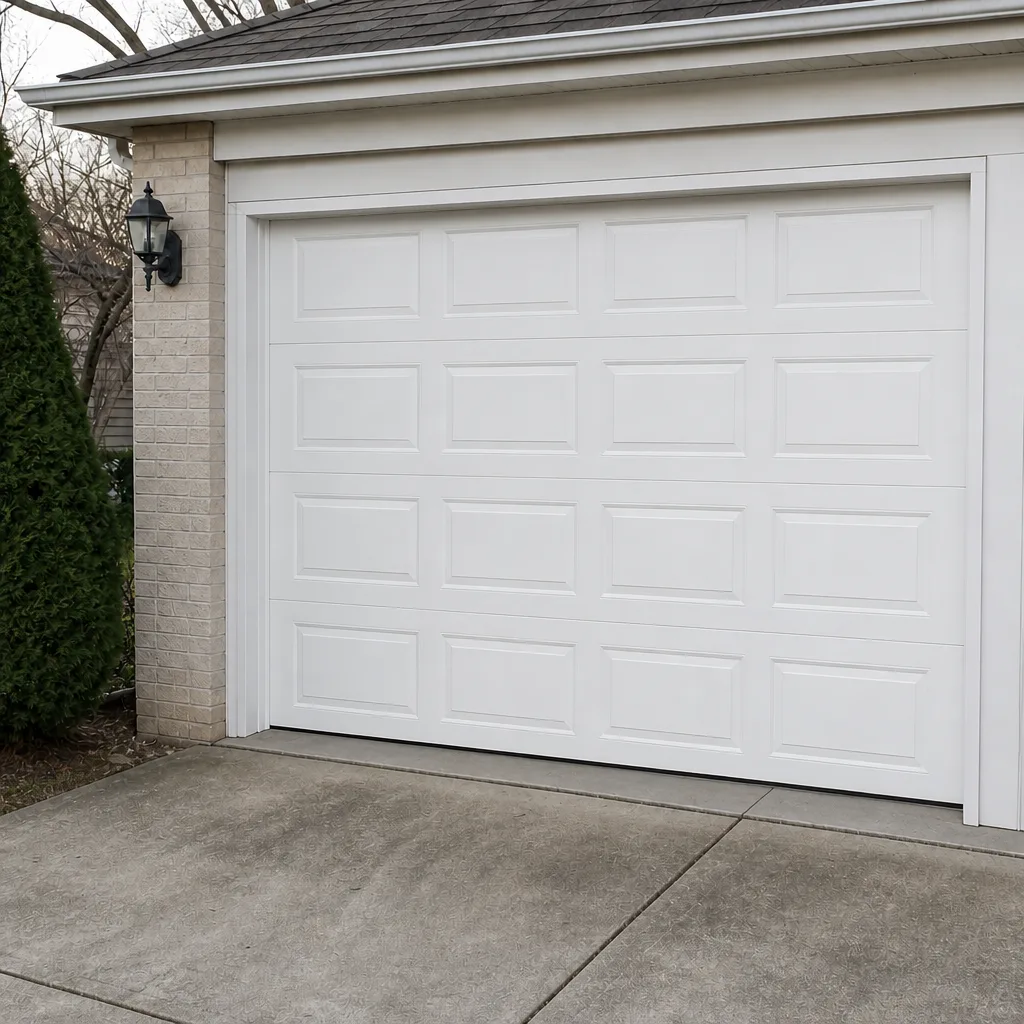 After
When to Call a Professional
Call a professional the moment the fault involves a spring, a cable, a bent track, or a door that’s off level. Those aren’t DIY repairs, and forcing them risks injury and larger damage. Call sooner rather than later if a car is trapped or the door is stuck open and the house is unsecured – that’s emergency territory, and it’s why we keep same-day urgent response available for broken springs and failed openers. We answer 24/7, with fast dispatch from 7am to 7pm, Sunday through Friday. Garage Door Repair Bolingbrook offers free estimates in Bolingbrook – call (833) 696-3327. Our technicians have up to 11 years of experience and can work on your brand, whether that’s Genie, Clopay, Amarr, Wayne Dalton, or another major system.
Frequently Asked Questions
If the door is heavy, sags on one side, or won’t move when you disengage the opener and try it by hand, the fault is almost certainly the spring or a cable. If the door balances freely and moves easily by hand but won’t run from a control, the issue is the opener, sensor, or wiring. Never test or adjust the spring itself – that’s a technician’s job. Call (833) 696-3327 for a free estimate.
Cold-weather trouble is usually freeze-thaw on the concrete threshold, which causes seal drag the opener reads as resistance, plus hardened lubricant on the moving parts. It shows up as slow movement, stalling, or reversal near the bottom. Have a tech check the seal, track, and travel limits before replacing any hardware. Call (833) 696-3327 for an exact quote – estimates are free.
You can safely handle remote batteries, sensor cleaning and alignment, and a manual-release test. Springs, cables, off-track doors, and opener internals are hard stops because of stored mechanical energy and injury risk. When in doubt, call (833) 696-3327 and we’ll tell you whether it’s a safe DIY check or a job for us.
Yes for urgent failures – broken springs, failed openers, and doors that leave a car trapped or the house unsecured get same-day response. We answer 24/7, and fast dispatch runs from 7am to 7pm, Sunday through Friday. Call (833) 696-3327 and describe the symptom so we can arrive prepared.
No. The estimate is free and the price is quoted and agreed before any work starts, so the written estimate sets the final price. Call (833) 696-3327 for an exact quote.
The local pro we connect you with is licensed and insured as their state requires, and our technicians have up to 11 years of experience across every major brand. We service Genie, Clopay, Amarr, Wayne Dalton, and more, so you keep your existing equipment. Call (833) 696-3327 for a free estimate.
The Bottom Line
Troubleshooting a garage door works best when you stop chasing the symptom and sort the fault into the right system. Check the small, safe things first – remote batteries, sensor alignment, the manual-release balance test – and stop the moment you suspect a spring or cable. In Bolingbrook’s freeze-thaw climate, remember that a heaving concrete threshold can make a healthy opener look broken, so rule out seal drag before you buy hardware. Document what happens and when, describe it clearly, and hand the dangerous parts to a trained tech. Start with the right category, and you’ll fix the actual cause instead of paying for the wrong part.
Call (833) 696-3327. We answer 24/7. Fast dispatch from 7am to 7pm, Sunday through Friday. Estimates are free, and the written estimate sets the final price.
Written by the team at Garage Door Repair Bolingbrook.