
Last updated November 23, 2026
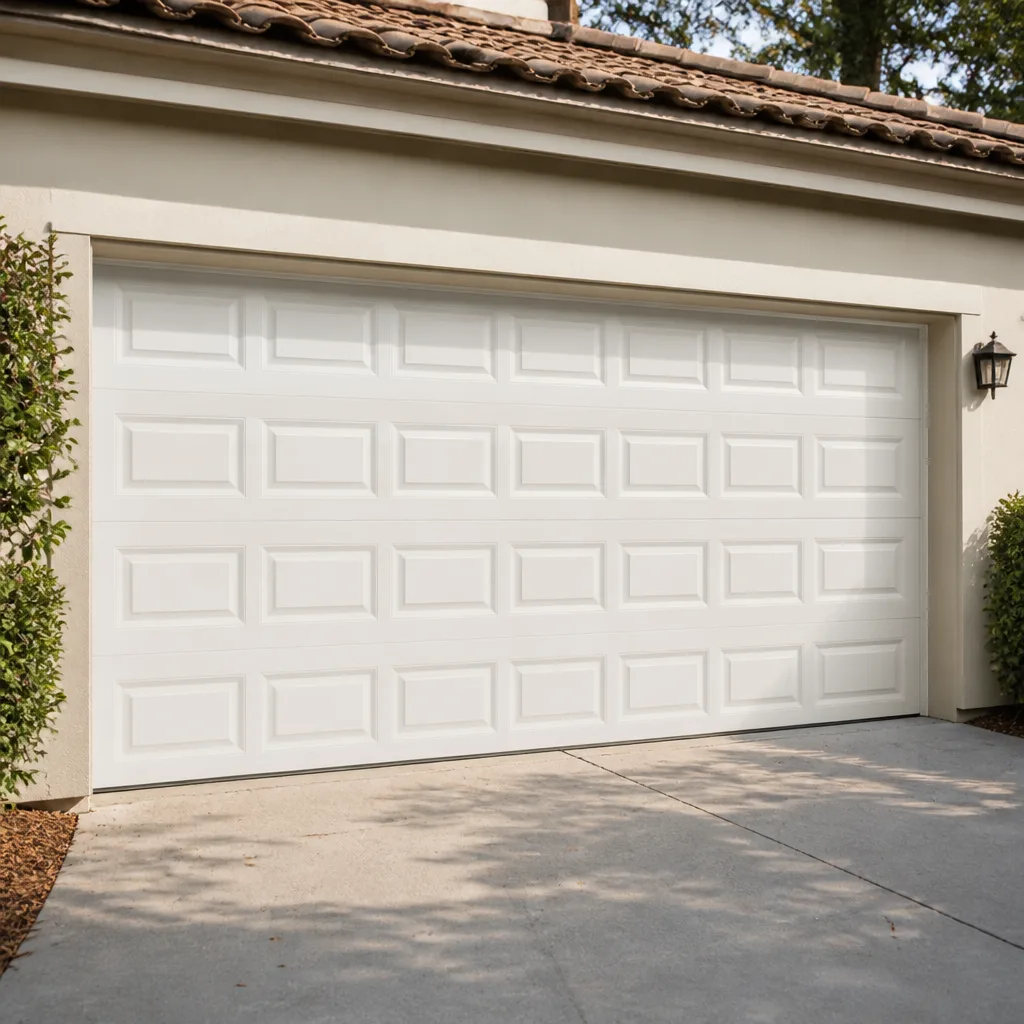 Raised-panel steel
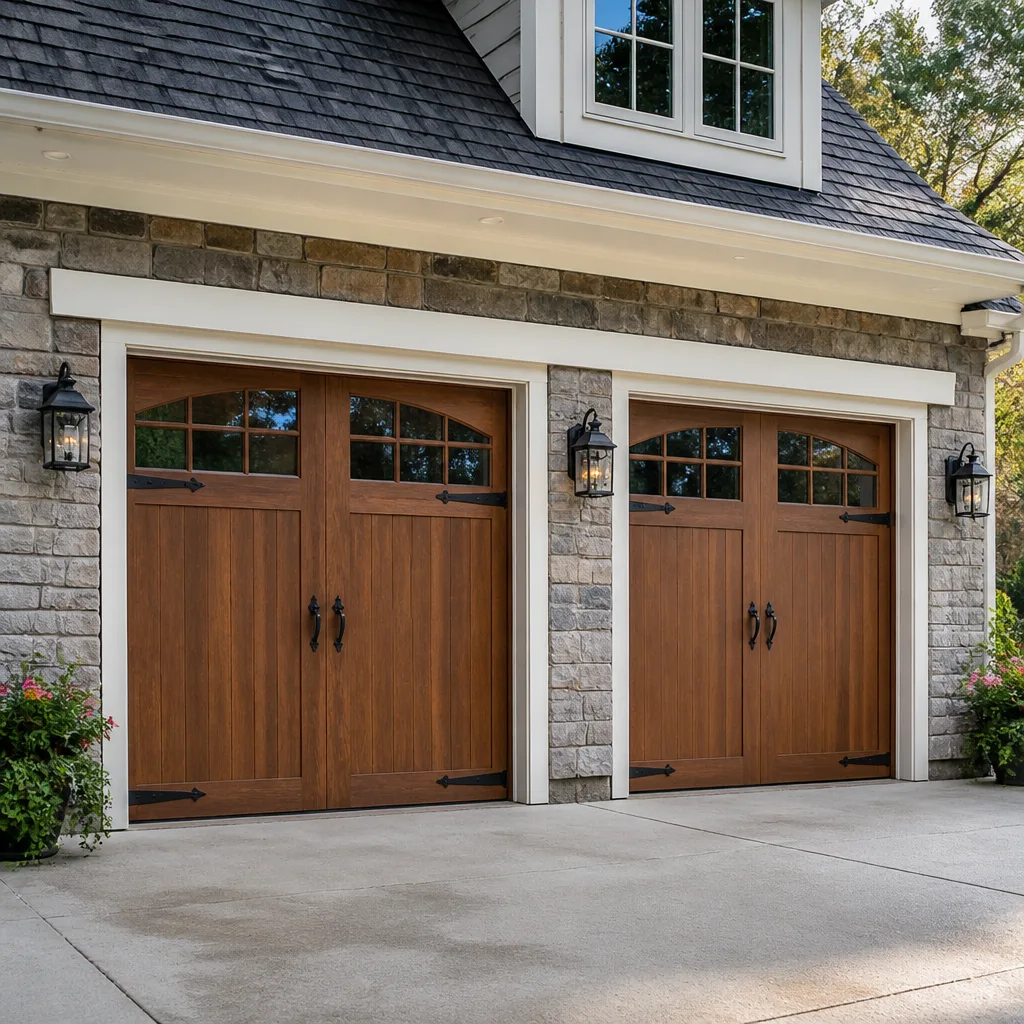 Carriage house
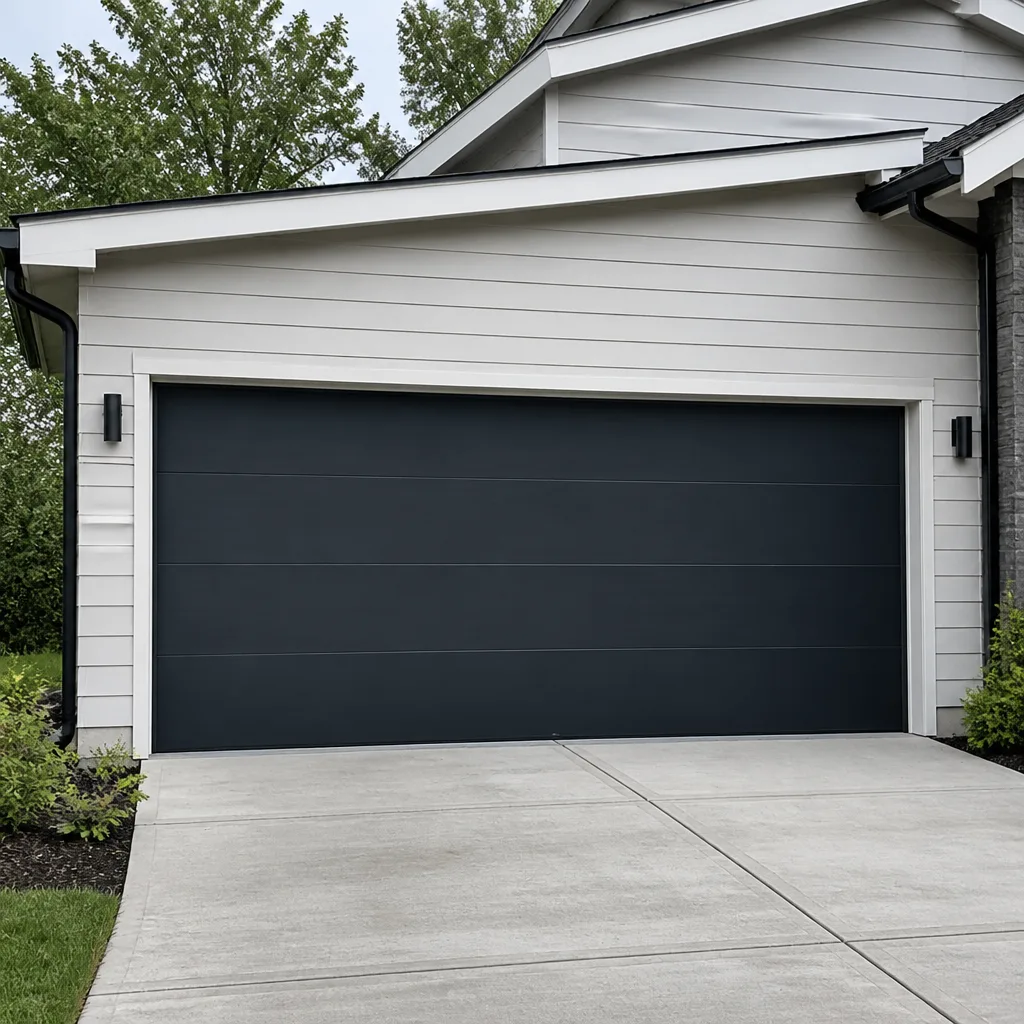 Modern flush
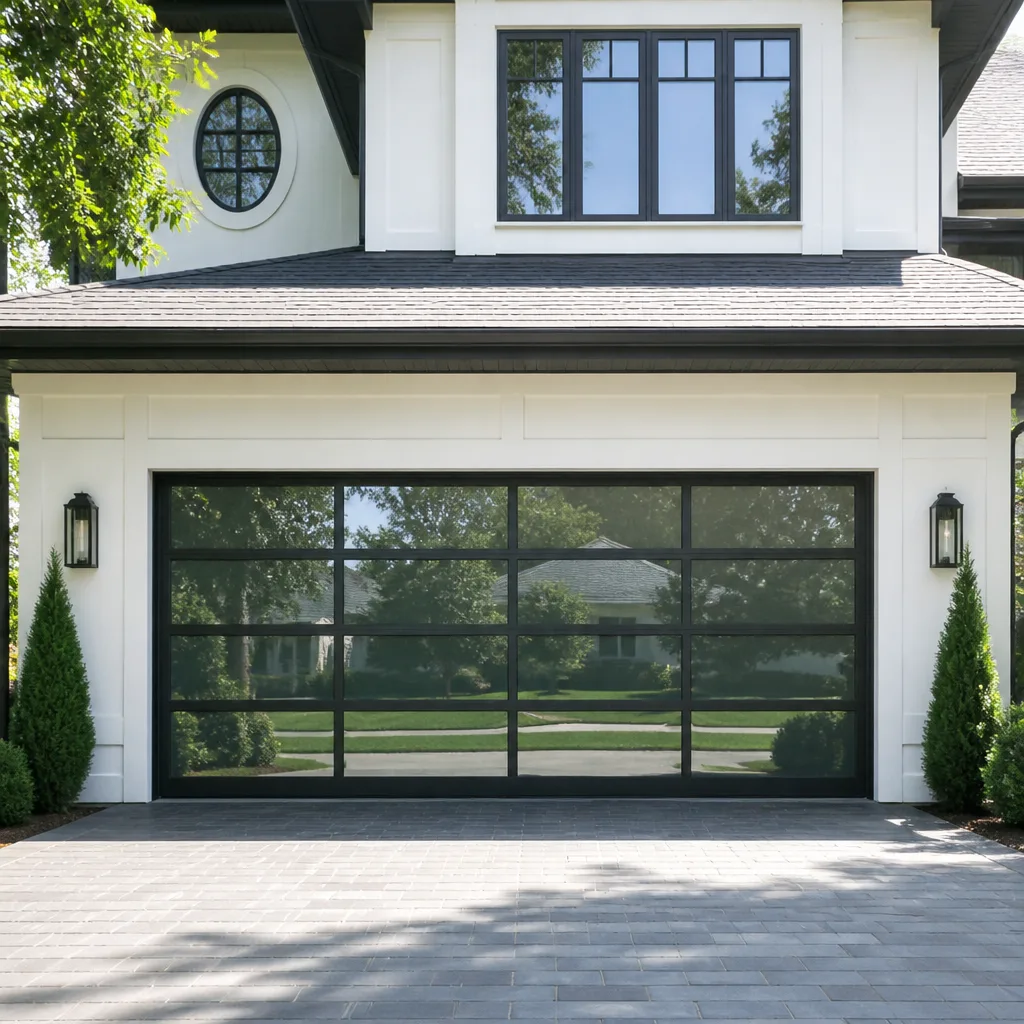 Full-view glass
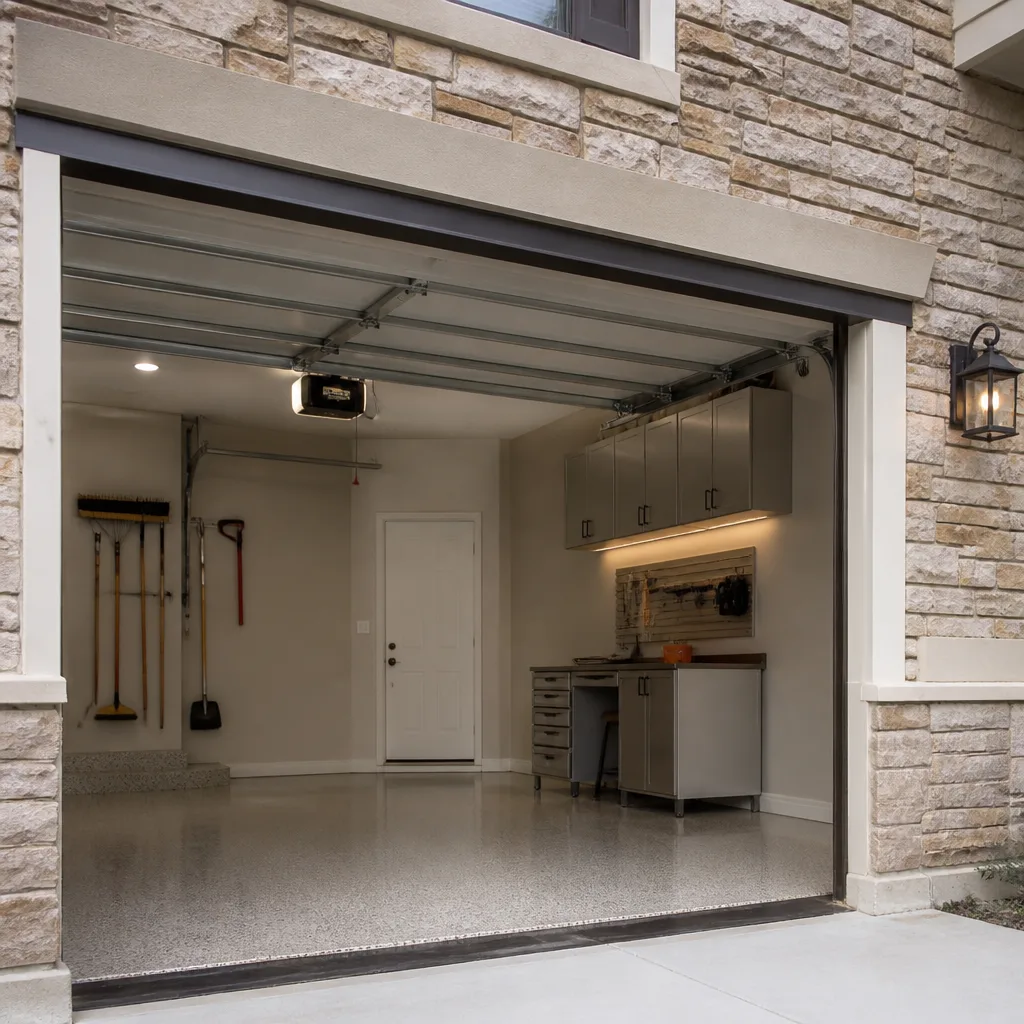 LiftMaster openers
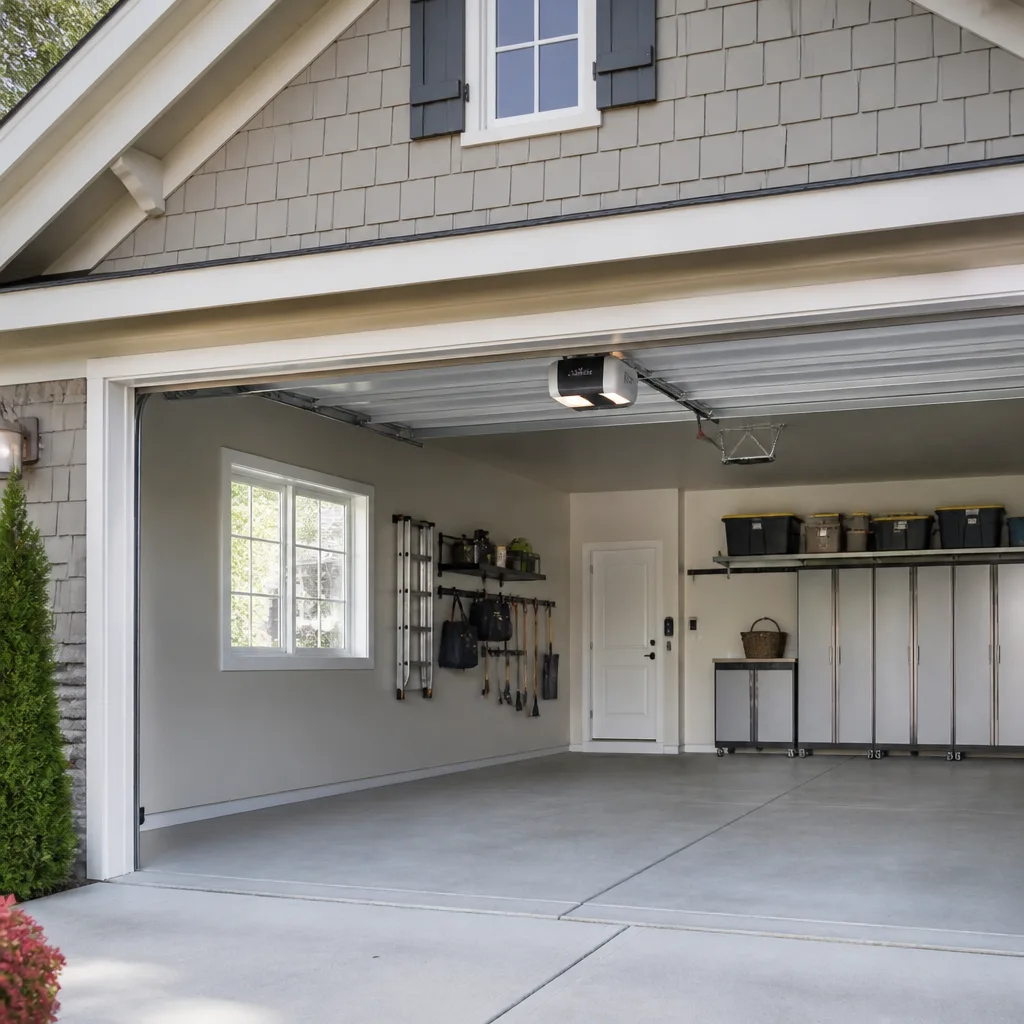 Chamberlain openers
Full 25-point door and opener safety check with every visit - springs, cables, rollers, tracks, and your LiftMaster or Chamberlain opener included
You get a price before we start. It does not change when the pro arrives.
Get your free estimateThe Complete Guide to Garage Doors in Bolingbrook
Most Bolingbrook homeowners think of their garage door as one thing: a big panel that goes up and down. It isn’t. It’s a system of eight interdependent parts, each carrying its own load, and each failing in its own way. Your door is likely the largest moving object in your home, and it cycles thousands of times a year. When one part wears out, the rest of the system absorbs the stress until something bigger gives. That’s how a worn roller turns into a snapped spring, and how a snapped spring turns into an $800 repair that could have been a $150 one. This guide breaks the system down part by part, explains what Illinois weather does to each one, and shows you how to tell the difference between a repair worth making and a door that’s reached the end.
Quick Answer
A garage door in Bolingbrook is a system of eight core components: the door panels, the torsion or extension springs, the cables, the rollers, the hinges, the tracks, the opener, and the safety sensors. Understanding how these parts share load and wear together tells you whether to repair or replace, and it’s the difference between a small fix and a system failure. Most decisions come down to the condition of the springs, the door’s balance, and how the opener matches the weight it’s lifting.
Styles & brands we work with
- Raised-panel steel
- Carriage house
- Modern flush
- Full-view glass
- LiftMaster openers
- Chamberlain openers
Table of Contents
- The Eight Parts of a Garage Door System
- Door Styles Common in Bolingbrook Subdivisions
- How Illinois Freeze-Thaw Cycles Stress Your Door
- Repair or Replace: How to Decide
- Opener Compatibility, Door Weight, and Spring Tension
- What a Full-System Inspection Should Cover
- Seasonal Checks and Simple Maintenance
- Why Springs and Cables Aren’t a DIY Job
The Eight Parts of a Garage Door System
Every garage door, whether it’s a raised-panel steel door in a Bolingbrook subdivision or a carriage house style on a custom home, depends on the same eight components working in sequence. Here’s what each one does and how it typically fails.
- Panels. The door face itself. Panels carry the door’s weight and resist impact and weather. Dents, rust-through, and warped sections are common, especially on doors facing west where afternoon sun beats on them.
- Springs. The counterweight. Torsion springs mount on a shaft above the door; extension springs run along the horizontal tracks. Springs store the energy that lifts the door. They’re the highest-wear part in the system.
- Cables. Steel cables connect the bottom bracket to the drum or track and transmit spring tension to the door. A frayed cable is a serious safety concern.
- Rollers. The wheels that ride in the track. They wear flat spots over time and cause rattling and rough travel.
- Hinges. The joints between panels. They bear lateral load and wear at the pivot points.
- Tracks. The guide rails. They bend from impact and can pull away from the frame.
- Opener. The motor and drive system (belt, chain, or screw) that moves the door. It’s a helper, not a lifter; it’s designed to move a balanced door, not a heavy one.
- Safety sensors. The photo-eye pair at the bottom of the tracks that reverses the door if something crosses the beam. Required on all modern openers and critical for safety.
When Bolingbrook homeowners describe a problem, it’s almost always a symptom of one of these parts interacting with another. The door comes down too fast because a spring has lost tension. The opener strains because a roller is seized. The door bangs because a hinge has worn loose. Diagnosing the right part is the whole job. If you’d rather have a trained eye do the diagnosis, our Garage Door Repair Bolingbrook team handles repair, opener, spring, and installation work from one company. Getting more than one opinion before a repair decision is reasonable too.
Door Styles Common in Bolingbrook Subdivisions
Bolingbrook’s housing stock spans a wide range, and the door style on a house tells you a lot about which parts will fail first. Walk through a few subdivisions on a warm afternoon and you’ll notice three dominant styles.
Raised Panel Steel
By far the most common style in Bolingbrook’s established neighborhoods, raised panel steel doors are durable, low-maintenance, and available in a range of gauges. The panels are stamped steel with a raised profile. These doors are heavier than they look, which means spring sizing has to be precise. A 25-gauge door and a 24-gauge door of the same width can weigh meaningfully different amounts, and if a prior owner replaced springs without matching the door’s actual weight, the opener works harder than it should.
Carriage House
Carriage house doors, with their decorative hardware and window details, show up on newer builds and remodeled fronts. The decorative hardware is cosmetic, but the extra weight of window inserts and overlays changes the spring requirement. Homeowners who add carriage-style hardware or windows after installation sometimes don’t realize the door’s balance has shifted.
Insulated Doors
Insulated doors are increasingly common on Bolingbrook homes, especially those with an attached garage that shares a wall with living space. The insulation adds weight without adding thickness you can see. That’s fine if the springs and opener were sized for it. It’s a problem if the door was swapped without adjusting the hardware.
Whatever style you have, the door style only matters if the springs and opener are matched to it. If your door feels heavy when you lift it manually, or the opener struggles on the way up, the match is off. For opener-specific troubleshooting, our garage door opener repair specialists can check the drive system and confirm it’s handling the load correctly.
How Illinois Freeze-Thaw Cycles Stress Your Door
Bolingbrook sits in a climate that swings hard between freezing and thawing through the winter and early spring. That cycle does specific, predictable damage to garage doors, and it’s different from what happens in warmer climates where doors mostly deal with heat and humidity.
Here’s how the freeze-thaw cycle hits each part:
- Springs fatigue faster. Metal contracts in cold and expands in warmth. Each cycle adds stress at the coil. Springs that are already near the end of their cycle life are more likely to snap during the first hard cold snap or the first warm day after it.
- Rollers and hinges stiffen. Cold thickens lubricant and makes bearings and pivots stiff. A door that ran smoothly in October can sound rough and travel unevenly in January.
- Tracks shift. The wood or steel frame around your garage moves with temperature and moisture. Tracks anchored to that frame can pull slightly out of alignment, causing the door to bind.
- Seals and weatherstripping harden. The bottom seal and perimeter weatherstripping crack and shrink in cold, letting in drafts and moisture, which then freezes and can cause the door to stick to the frame.
- Cables wear at contact points. Moisture and temperature swings accelerate corrosion at the drum and bottom bracket, where the cable bends most.
In our experience in Bolingbrook, spring failures cluster around the first hard freeze and the first warm stretch of late winter. A garage door spring repair call in early winter, before the worst of the cold, is often the difference between a planned repair and a door that won’t open on a morning you need to leave. The same applies to rollers and hinges: a simple lubrication and adjustment visit in fall prevents a lot of January problems.
Repair or Replace: How to Decide
This is the question that matters most, and it’s where a component-level view pays off. A single failed part on an otherwise sound door is almost always worth repairing. The calculation changes when multiple parts are nearing the end of their life at the same time.
Use this framework:
- Count the failing parts. One part failing is a repair. If springs, rollers, hinges, and cables are all showing wear at once, you’re looking at the system’s end of life.
- Check the panels. If the panels are dented, rusted through, or warped, a repair won’t fix the appearance or the insulation value. Panel condition is the clearest signal that replacement makes sense.
- Check the balance. A door that won’t stay balanced when disconnected from the opener has a spring or track problem. If the balance can be restored with new springs and adjustment, the door has more life in it. If the frame and tracks are also compromised, replacement is the better call.
- Compare the cost of the repair to the cost of a new door. A single spring replacement is a fraction of a new door. Replacing every component on a worn door often costs close to a new door, at which point you’re paying for a fresh system anyway.
- Consider the opener’s age and capability. If your opener is older and lacks safety sensors or modern features, a replacement door is a natural time to upgrade the opener too.
The decision isn’t about the door’s age on paper. It’s about how many parts are still doing their job. If you’re unsure, a full inspection will tell you. That’s exactly the kind of assessment our Bolingbrook garage door repair team does before recommending anything, and the written estimate tells you what it will cost before any work starts.
Opener Compatibility, Door Weight, and Spring Tension
This is the part of garage door ownership that dealers rarely explain upfront, and it causes more premature opener failures than any other single factor. Your opener is designed to move a door that is already balanced by its springs. It is not designed to lift the door’s weight.
Think of it this way: the springs do the heavy lifting. The opener provides the push to get the balanced door moving and controls the speed and direction. If the springs are weak or sized wrong for the door’s weight, the opener takes on load it wasn’t built for. The motor runs hotter, the drive wears faster, and the opener fails years before it should.
That relationship explains a few things Bolingbrook homeowners often find confusing:
- A new opener on an old door can feel worse than the old opener did. A stronger motor on an unbalanced door just stresses the door’s hardware faster.
- An insulated or carriage house door needs a properly sized opener. Heavier doors need more lifting capacity, and the springs have to match. An opener rated for a lighter door will struggle.
- Brand matters less than setup. A well-matched LiftMaster, Chamberlain, Genie, or Craftsman opener on a properly balanced door will outlast a premium opener on a door with weak springs.
This is also where brand knowledge pays off. We service and install equipment from a wide range of manufacturers, including LiftMaster, Chamberlain, Genie, Clopay, Amarr, Wayne Dalton, Craftsman, and Raynor, so we’re not steering you toward one brand. You keep the equipment brand you already have if it’s working for you. The right part for your door is the one that matches its actual weight and cycle count, not whatever happens to be on a shelf.
What a Full-System Inspection Should Cover
A garage door inspection isn’t a quick visual glance. It’s a systematic check of all eight components, and it should produce a written report that tells you what’s healthy, what’s wearing, and what needs attention now versus later. If a technician can’t tell you the difference between those three categories, you’re getting a sales pitch, not an inspection.
Here’s what a proper inspection covers:
- Visual panel check. Look for dents, rust, cracks, and warping across every panel, plus the condition of the bottom seal and weatherstripping.
- Spring assessment. Check the spring’s coil condition, gap, and tension. The technician should confirm the spring is sized correctly for the door’s actual weight.
- Cable inspection. Look for fraying, kinks, and corrosion at the drum and bottom bracket.
- Roller and hinge check. Test each roller for flat spots and each hinge for play. Listen for grinding or squealing as the door cycles.
- Track alignment. Check that tracks are straight, plumb, and securely anchored, with no bends or gaps.
- Balance test. Disconnect the opener and lift the door partway. A balanced door stays put. If it falls or rises, the springs need attention.
- Opener and safety sensor check. Test the opener’s force settings, check the drive for wear, and confirm the safety sensors reverse the door correctly.
- Written report. The report should state what’s fine, what’s wearing, and what’s failing, with a clear recommendation for each.
That last point matters. A good report tells you which repairs are urgent, which can wait, and which are optional. It’s also the basis for the written estimate, so you know the price before anyone touches the door.
Seasonal Checks and Simple Maintenance
A handful of simple checks a few times a year will extend the life of every component and catch small problems before they become expensive ones. None of these involve disassembling the door or working near the springs.
- Listen to the door. A bang, squeal, or grind is a warning. Quiet operation is the norm on a healthy door.
- Look at the rollers and hinges. Shine a light along the tracks. Flat spots on rollers and loose hinges are visible if you look.
- Test the balance. With the opener disconnected, lift the door to about waist height and let go. It should stay where you put it. If it drops or rises, the springs are losing tension.
- Test the safety sensors. Put a box or broom in the path of the sensors and close the door. The door should reverse. If it doesn’t, stop using the door until the sensors are fixed.
- Clear the tracks. Debris in the tracks causes binding. A dry cloth along the track channel is enough.
- Check the bottom seal. A cracked or missing seal lets in moisture and cold air, which contributes to freeze-thaw damage inside the garage.
These checks are safe for any homeowner. What comes after a failed check usually isn’t. If the balance test reveals weak springs, or the sensors don’t reverse the door, those are jobs for a trained professional.
Why Springs and Cables Aren’t a DIY Job
Garage door springs store an enormous amount of mechanical energy. That’s what makes them useful, and that’s what makes them dangerous. A torsion spring under tension can release that energy instantly, and the tools and technique required to handle it safely are beyond what a homeowner should attempt. The same goes for cables, which carry the spring’s tension and can snap with force.
This isn’t about selling you a service. It’s about the physical reality of the component. A spring that’s been wound to the correct tension, with the right tools and the correct spring size, is a safe and reliable part. A spring worked on without those things is a hazard to anyone nearby. For any issue that involves the springs, the cables, or the torsion shaft, stop and call a trained technician. Our team treats this as a safety-critical specialty, and that’s the standard every garage door should be held to.
For everything else, the rollers, the hinges, the tracks, the opener, the sensors, a trained technician can diagnose and fix the issue quickly. If you’re not sure which category your problem falls into, assume it’s the first one until a professional says otherwise.
Common Mistakes to Avoid
- Replacing one spring when you should replace both. Springs on the same door wear at the same rate. Replacing one and leaving the other means the second one is likely to fail soon, often within weeks.
- Ignoring a garage door that’s getting louder. A door that bangs and rattles is telling you a roller or hinge is failing. Fixing it now costs less than waiting for the part to fail completely.
- Assuming a new opener fixes a heavy door. A heavier door needs properly sized springs, not a stronger motor. The opener is a helper, not the lifter.
- Letting a small dent turn into a rust problem. Bolingbrook’s freeze-thaw cycle and moisture make small paint chips spread into rust. Touch up dents and chips before winter.
- Skipping the balance test. It’s the simplest way to check your springs’ health. If the door doesn’t stay where you put it, the springs are the first suspect.
- Using a general handyman for spring work. Spring repair is a safety-critical specialty. It requires professional-grade tools and correct spring sizing, and it’s not a job for a generalist.
- Waiting for a failure to get an inspection. A fall or spring inspection catches wear before it becomes a breakdown, and it’s the cheapest way to keep the whole system healthy.
See the difference
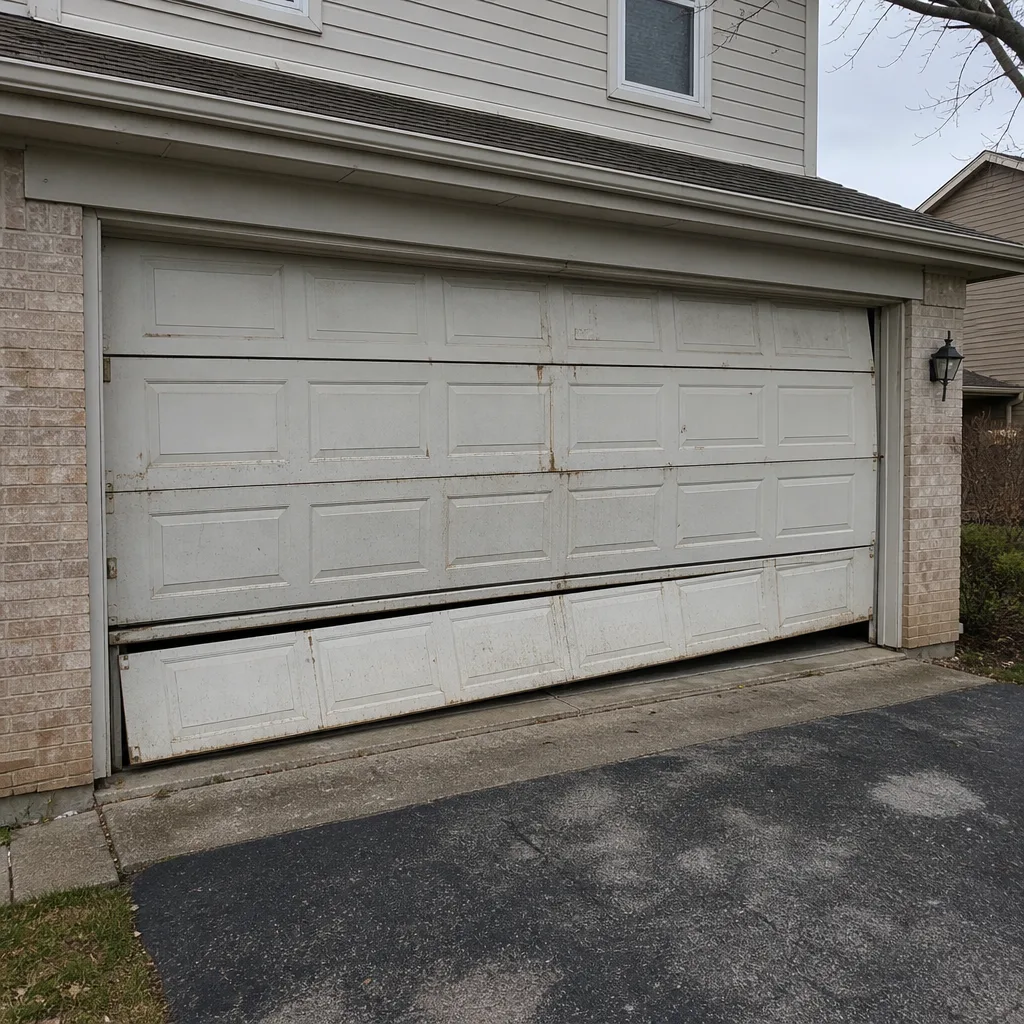 Before
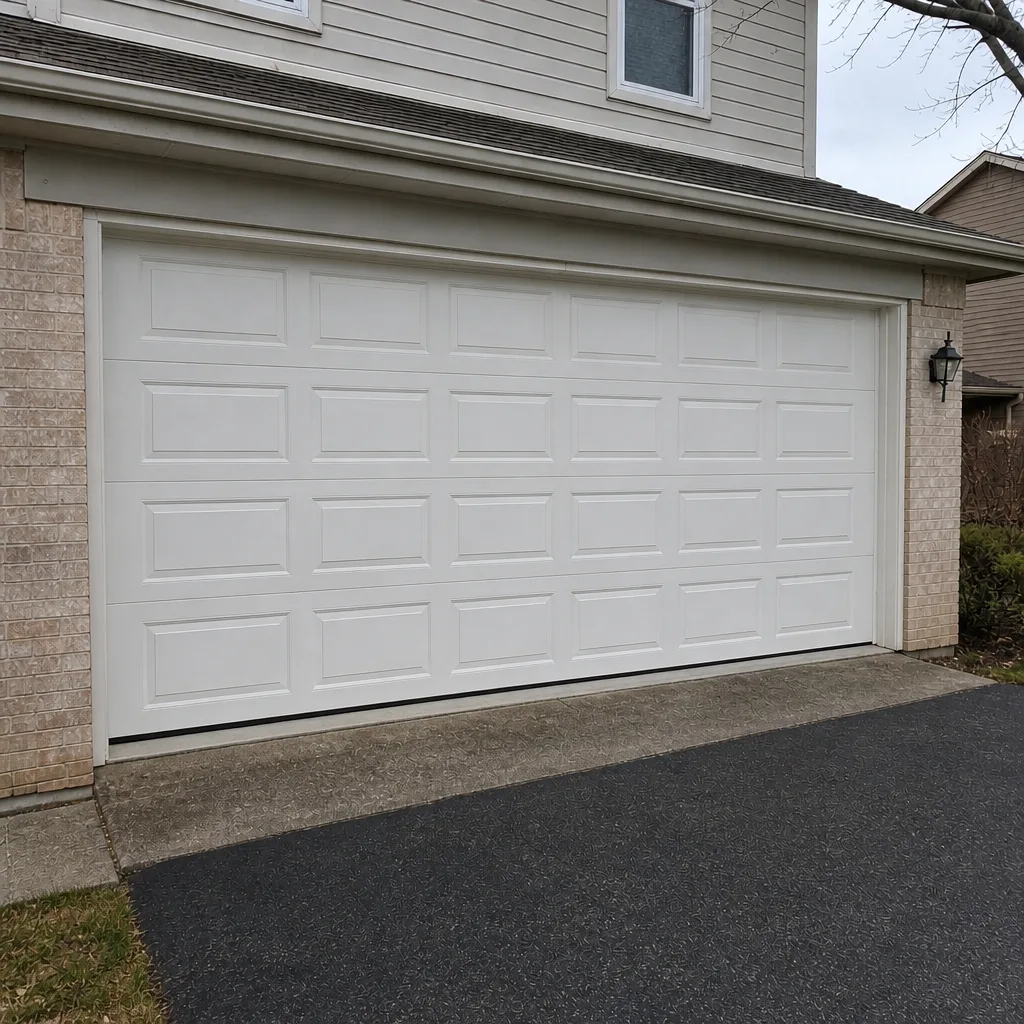 After
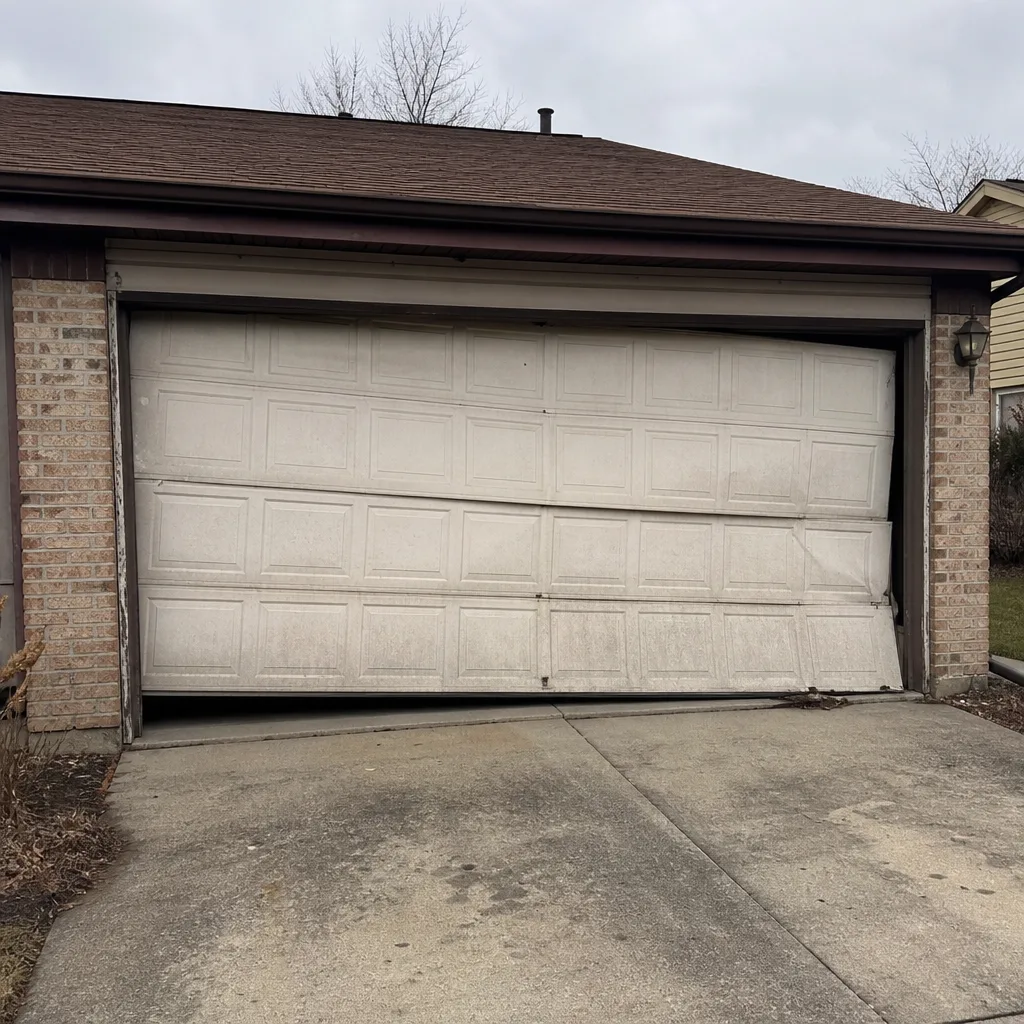 Before
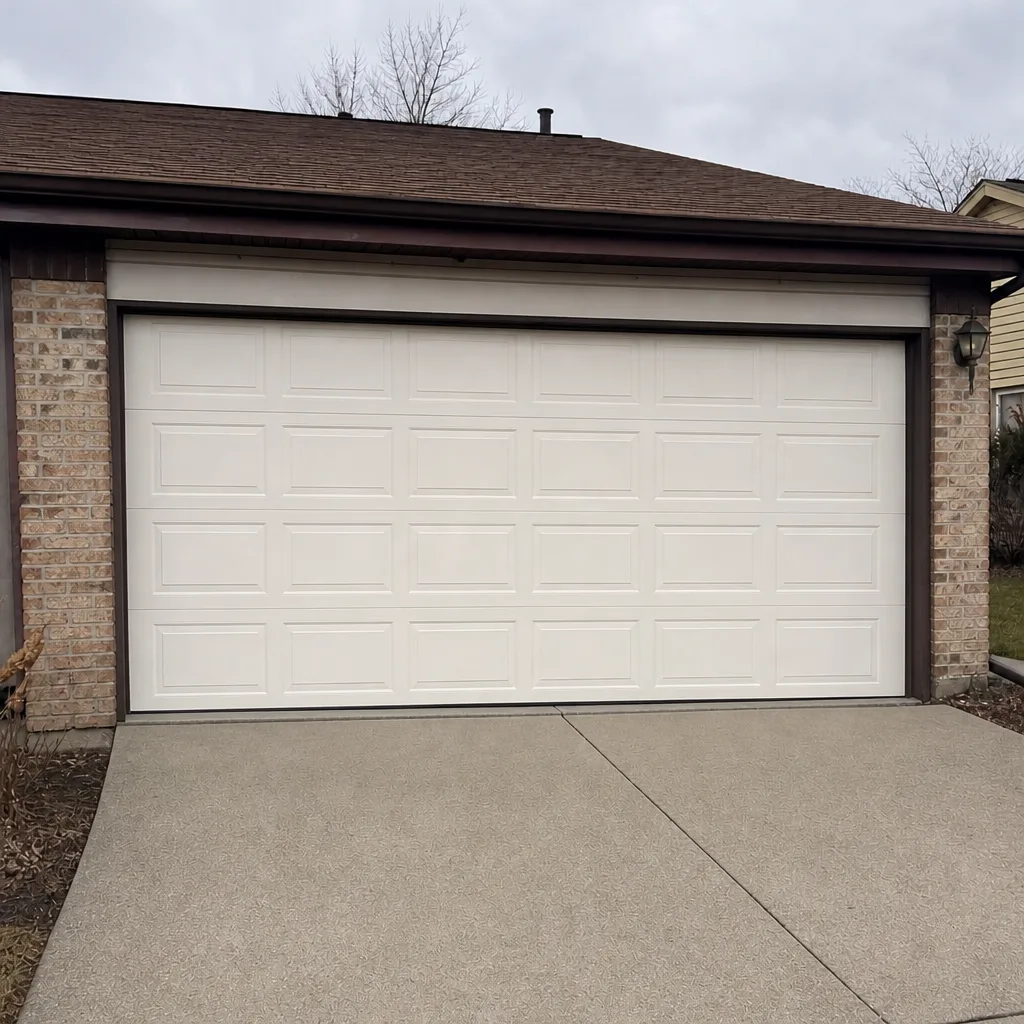 After
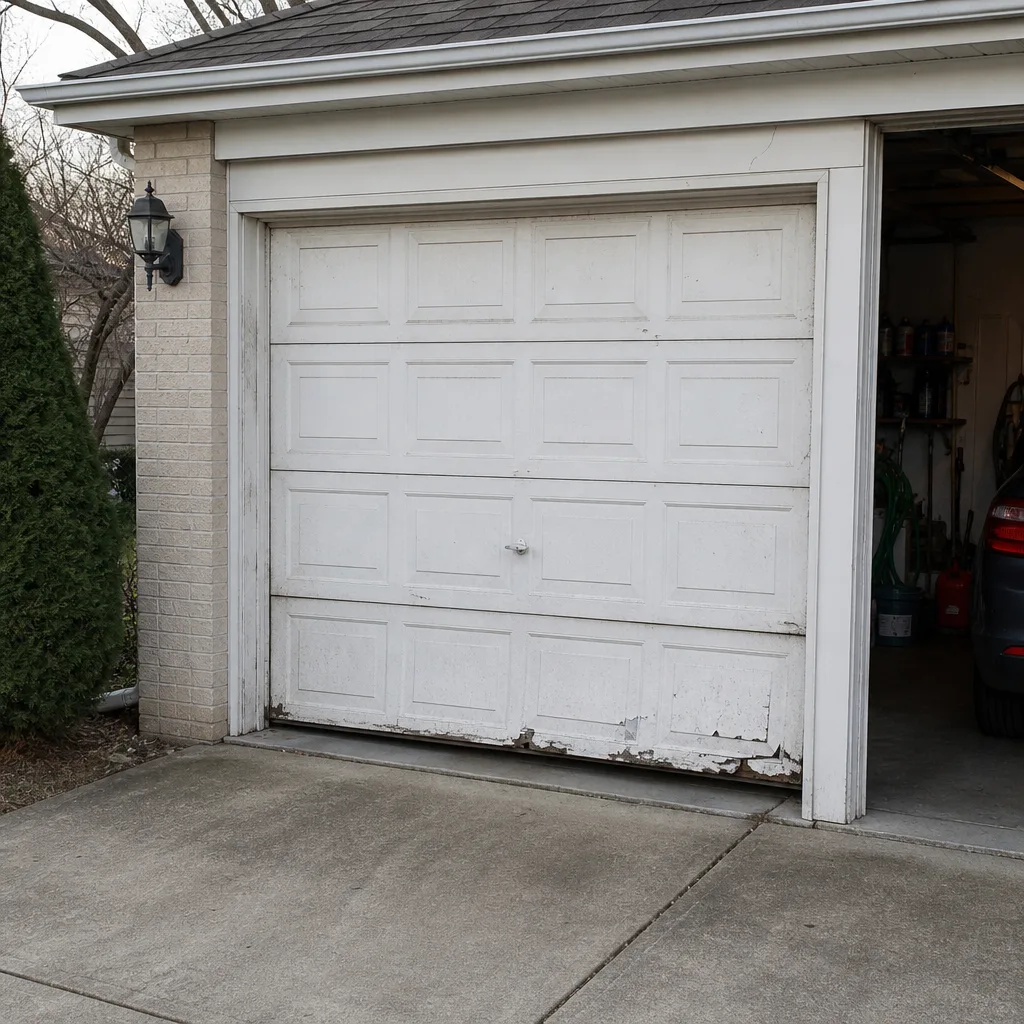 Before
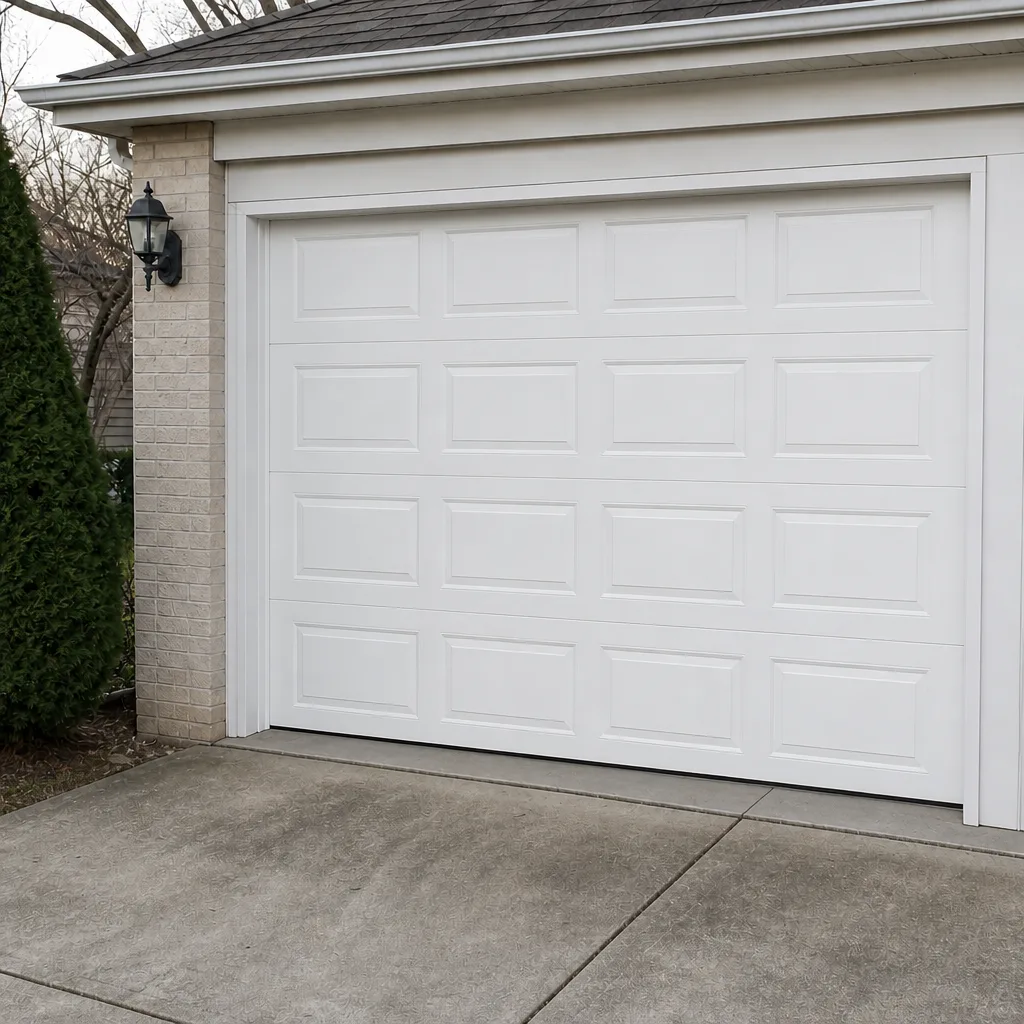 After
When to Call a Professional
Call a professional any time the springs, cables, or torsion shaft are involved. Call if the door won’t balance, if the opener struggles or reverses on its own, if the safety sensors don’t reverse the door, if a panel is cracked or a track is bent, or if the door won’t open at all. Those are the scenarios where a trained technician saves you time, money, and risk. For emergencies, a broken spring or a door off its track leaves a car trapped or a home unsecured, and same-day service matters. Garage Door Repair Bolingbrook offers free estimates in Bolingbrook. Call (833) 696-3327. We answer 24/7. Fast dispatch from 7am to 7pm, Sunday through Friday.
Frequently Asked Questions
Most springs are rated for a specific number of cycles, and Bolingbrook’s freeze-thaw swings add stress that shortens that life. A spring that’s nearing its rated cycle count is a candidate for replacement before it fails. The best way to know is a balance test and a visual check by a technician.
No. Springs store enough mechanical energy to cause serious injury, and the tools and technique required to handle them safely are beyond what a homeowner should attempt. Leave spring and cable work to a trained technician. Call (833) 696-3327 for a free estimate.
If one part has failed on an otherwise sound door, repair it. If the panels are dented or rusted through, or if springs, rollers, hinges, and cables are all wearing at once, replacement is usually the better call. A full inspection gives you the clearest answer.
The opener is designed to move a balanced door, not to lift the door’s weight. If the springs have lost tension or are sized wrong for the door, the opener takes on load it wasn’t built for, which is why it struggles and wears out early. The fix is usually in the springs, not the opener.
A proper inspection covers all eight components: panels, springs, cables, rollers, hinges, tracks, opener, and safety sensors. It should include a balance test and a written report that distinguishes what’s urgent from what can wait. The report is the basis for the written estimate.
We service and install equipment from a wide range of manufacturers, including LiftMaster, Chamberlain, Genie, Clopay, Amarr, Wayne Dalton, Craftsman, and Raynor. We’re not limited to one brand, so you keep the equipment you already have if it’s working for you. Call (833) 696-3327 for a free estimate.
The Bottom Line
Your garage door is a system, not a single part. The springs carry the load, the opener helps it move, and the panels, rollers, hinges, cables, tracks, and sensors all share the work. When one part fails, the rest of the system absorbs the stress, which is how small problems become expensive ones. Bolingbrook’s freeze-thaw cycle makes that wear happen faster here than in warmer climates. Get to know the eight components, run a simple balance test a few times a year, and get a full inspection whenever something feels off. The written estimate sets the price before any work starts, so you always know what you’re paying for.
If you’d like a free estimate on your door, call Garage Door Repair Bolingbrook at (833) 696-3327. We answer 24/7. Fast dispatch from 7am to 7pm, Sunday through Friday.
Written by the team at Garage Door Repair Bolingbrook.