
Last updated November 23, 2026
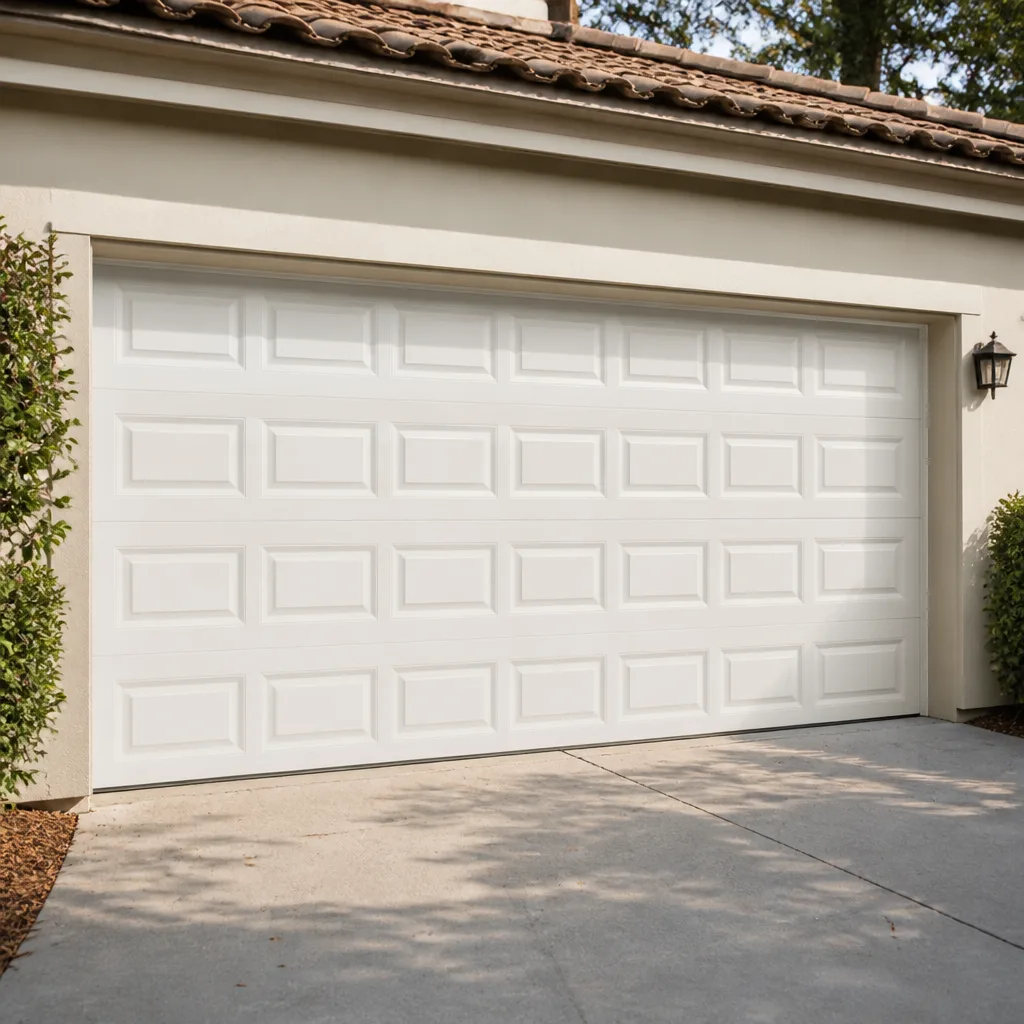 Raised-panel steel
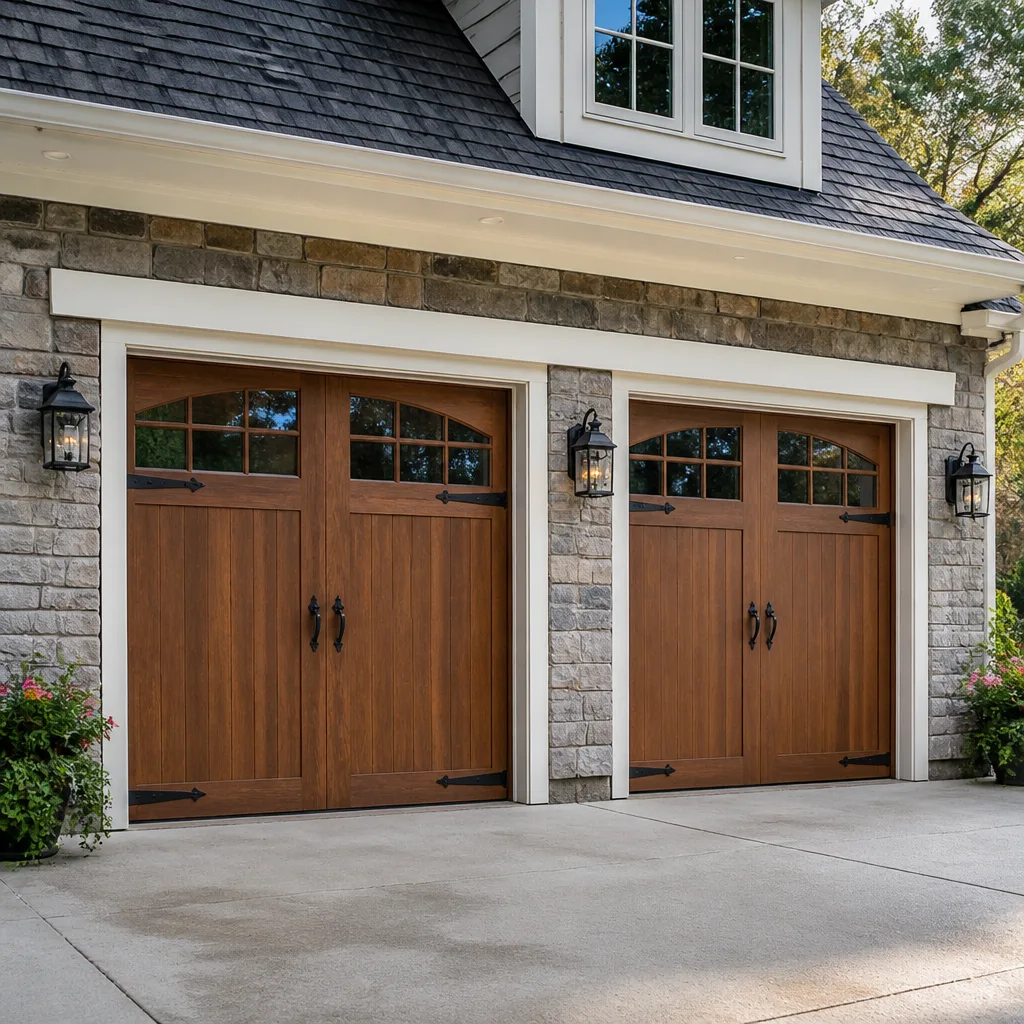 Carriage house
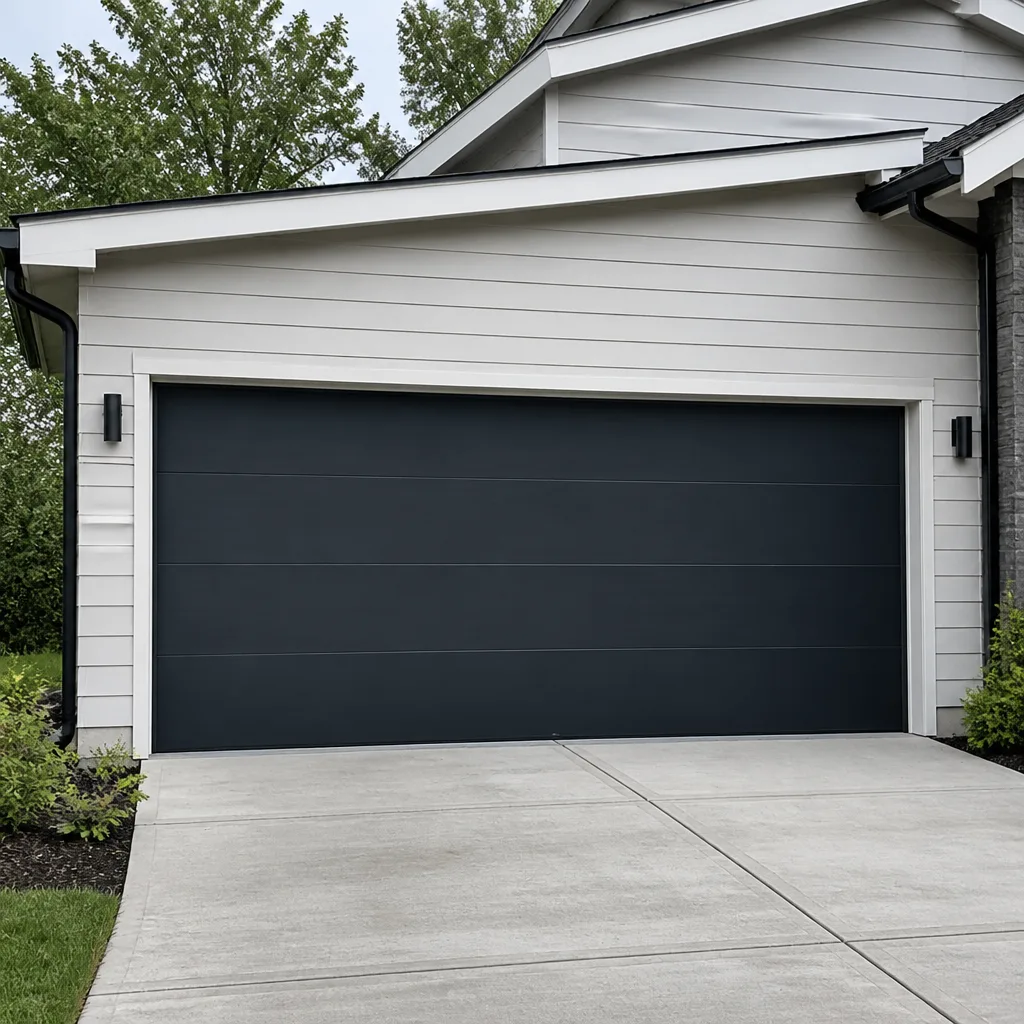 Modern flush
 Full-view glass
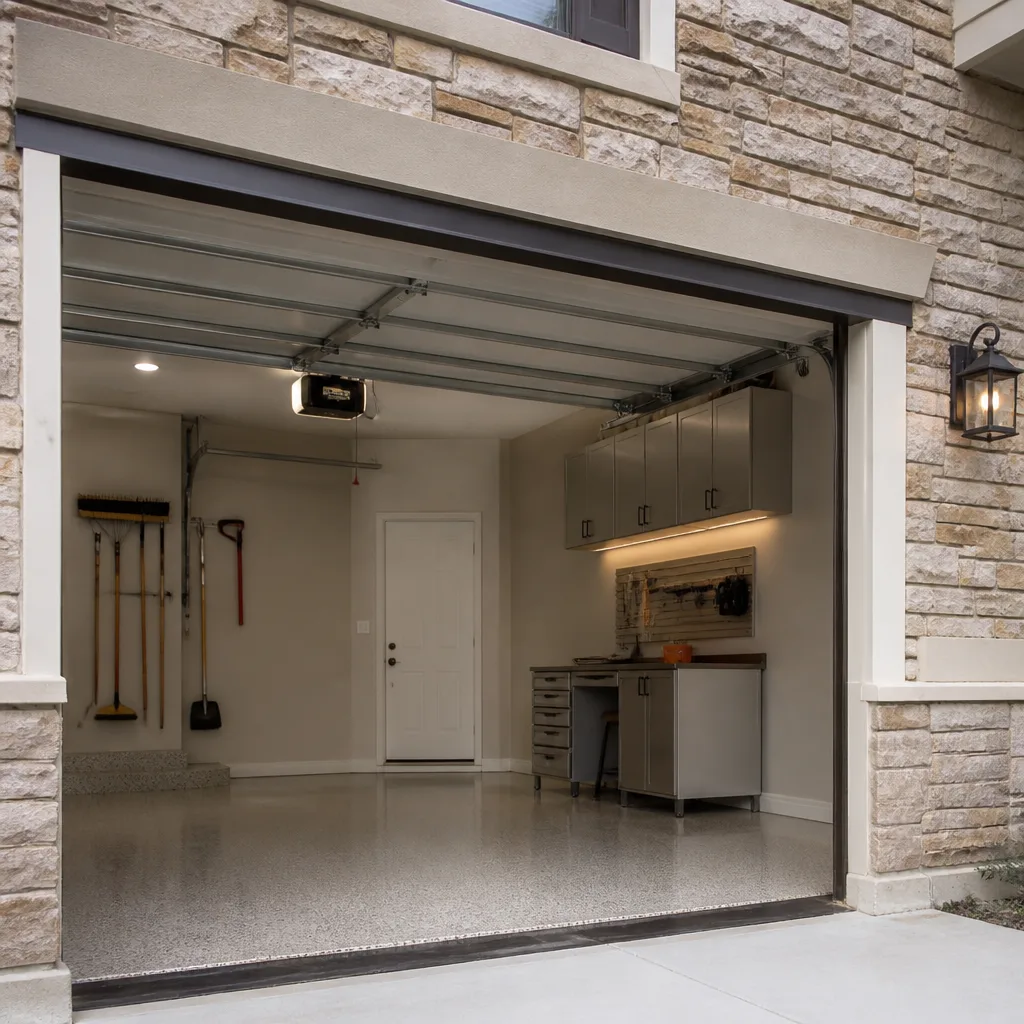 LiftMaster openers
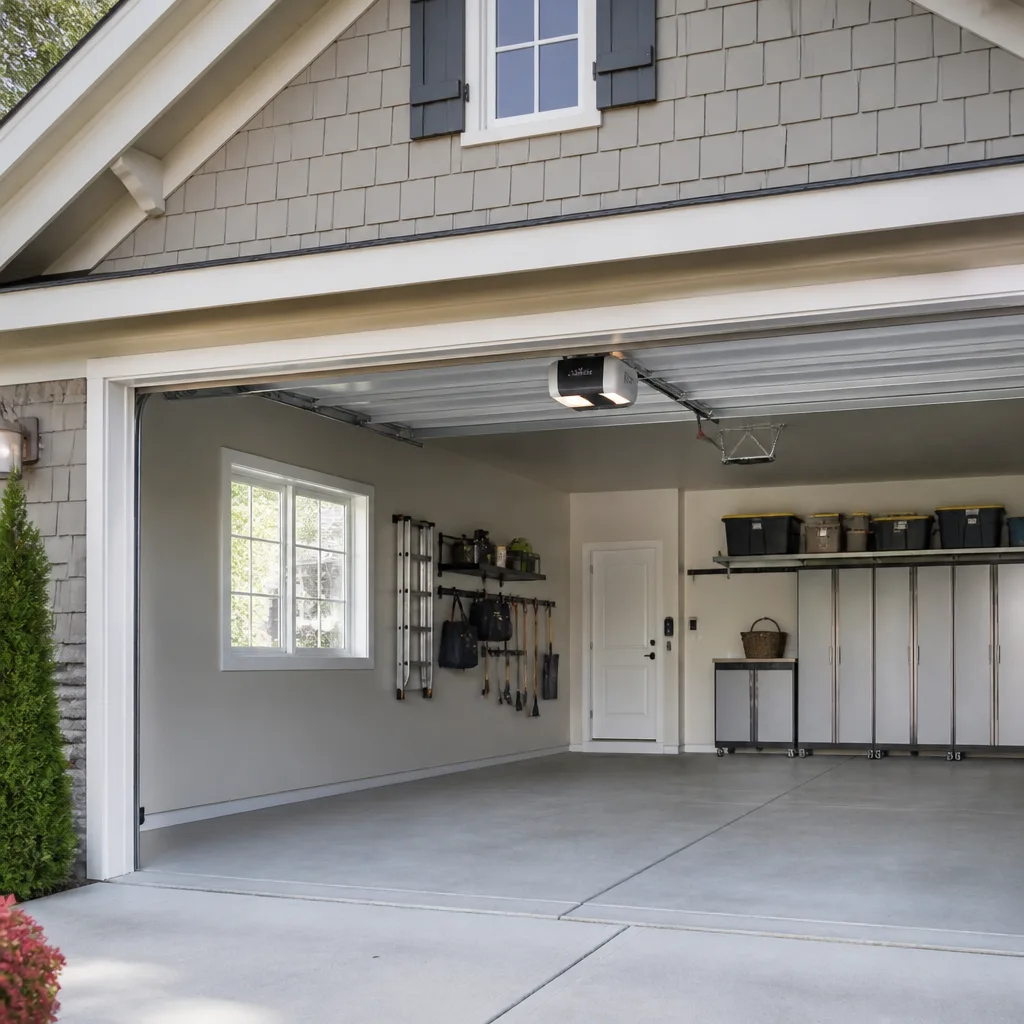 Chamberlain openers
Full 25-point door and opener safety check with every visit - springs, cables, rollers, tracks, and your LiftMaster or Chamberlain opener included
You get a price before we start. It does not change when the pro arrives.
Get your free estimateDIY vs Professional Garage Door: The Bolingbrook Homeowner’s Decision Guide
Most homeowners think the garage door repair decision comes down to skill. It doesn’t. The line between a safe do-it-yourself project and a dangerous one isn’t drawn by confidence or even experience – it’s drawn by the physics of stored energy. A torsion spring under tension holds enough force to do serious harm when released without the right setup, and the winding bars required to handle it safely cost more to buy or rent than the repair itself in many cases. That’s the part tutorials skip. This guide walks through which garage door tasks a careful Bolingbrook homeowner can handle, which come with real risk, and which belong with a trained technician every time. You’ll also see how the cost math actually works when tools, time, and mistake probability are all counted.
Quick Answer
Safe DIY garage door tasks are limited to lubrication, visual inspections, tightening exposed bolts, and cleaning photo-eye sensors. Spring replacement, cable replacement, and torsion system work are never DIY jobs regardless of skill level – those carry stored mechanical energy that can cause fatal injury when released improperly. Opener electrical work sits in the middle: some tasks are safe with the breaker off, but internal wiring and force adjustments should go to a professional. For anything on the danger list, call a licensed technician in Bolingbrook.
Styles & brands we work with
- Raised-panel steel
- Carriage house
- Modern flush
- Full-view glass
- LiftMaster openers
- Chamberlain openers
Table of Contents
- The Three-Category Breakdown: Safe, Risky, and Never
- Why Torsion Springs Are Never a DIY Job
- What YouTube Gets Right and Wrong About Springs
- The Real Cost Comparison: DIY vs Professional
- How DIY Work Can Void Your Manufacturer Warranty
- How Bolingbrook Weather Affects Your Garage Door
- How to Talk to a Technician About Prep Work
- Common Mistakes to Avoid
- When to Call a Professional
The Three-Category Breakdown: Safe, Risky, and Never
Bolingbrook homeowners ask us all the time whether they can handle a garage door problem themselves. The honest answer depends on which system we’re talking about. Some tasks are genuinely safe for a careful homeowner. Others are dangerous enough that we’d rather talk you out of them. Here’s the breakdown we use, with the mechanical reason behind each classification.
Category 1: Safe DIY
- Lubricating hinges, rollers, and tracks. A few drops of garage door lubricant twice a year keeps moving parts quiet and extends roller life. No risk here.
- Visual inspections. Look at springs for gaps or rust, check the cable condition, and test the balance by disconnecting the opener and lifting the door halfway. If it stays put, the springs are doing their job.
- Tightening exposed bolts. Hinge and bracket bolts loosen with vibration. A socket wrench handles this in minutes.
- Sensor alignment and cleaning. The photo-eye sensors near the floor get dirty or knocked out of line. A soft cloth and a small bracket adjustment fixes most of these.
- Track cleaning. Wipe down the tracks with a damp cloth to remove grit. Don’t lubricate the tracks themselves – grease attracts dirt and causes binding.
Category 2: Risky With Caveats
- Opener force and limit adjustments. Safe if you follow the manufacturer’s instructions exactly, dangerous if you over-adjust and the door closes on an obstacle without reversing. Test the safety reverse with a roll of paper towels after any change.
- Replacing a photo-eye sensor. Low voltage only, so the shock risk is minimal, but the wiring still needs to match your opener. If you have a Chamberlain or Genie unit with proprietary connectors, order the correct replacement or the sensor won’t work.
- Replacing a wall control or remote. Straightforward on most modern openers, but you’ll need to reprogram the unit. Keep the manual.
Category 3: Never DIY
- Torsion spring replacement. The spring above your door holds hundreds of pounds of force. Winding it requires two steel bars and a method that keeps your hands clear of the stored energy. This is the single most dangerous task on your whole garage door.
- Extension spring replacement. Safer than torsion but still under significant tension. A spring that slips its hook can travel across the garage at speed.
- Cable replacement. Cables are under tension even with the springs relaxed. If a cable snaps during a DIY attempt, the door can fall or the cable can whip.
- Bottom bracket and cable drum work. Both are tied directly to the spring system. No exceptions.
- Replacing the opener itself. Between the electrical connection, the mounting, and the door tension adjustment, this is a two-person job with real safety exposure.
If your door is stuck or making a sound you don’t recognize, that’s the moment to stop and call for garage door repair Bolingbrook. Getting it looked at before you touch anything is the cheapest decision you’ll make all week.
Why Torsion Springs Are Never a DIY Job
Torsion springs are the reason this guide exists. Everything else on a garage door can be discussed in terms of skill and risk. Torsion springs are different. They’re dangerous by design – the energy they store is what lifts your door, and that energy doesn’t care whether the person releasing it is a trained technician or a determined homeowner with a YouTube tab open.
What’s Actually Under Load
The typical residential garage door spring is wound to a specific number of turns based on the door’s weight. A double-car door weighing 150 to 200 pounds needs that energy stored in the spring to counterbalance it. When the spring is fully wound, it’s holding the equivalent of the door’s weight in rotational force. There’s no “defuse it slowly” option once you’ve removed the wrong bolt or lost your grip on a winding bar.
What the Right Setup Requires
A trained technician uses winding bars sized to the spring’s drum, a method that keeps their body out of the spring’s release path, and a spring sizing chart to match the replacement to the door’s exact weight. Getting the wrong spring gauge means the door either strains the opener or falls too fast. The right tool setup costs more than the repair in most cases once you factor in bars, gloves, a scale, and the correct springs.
Why “I’ll Just Be Careful” Doesn’t Solve It
We’ve heard every version of this. And we understand the instinct – most home repairs reward caution. Springs don’t. The failure mode isn’t a mistake, it’s a sudden release, and even experienced technicians treat spring work as a controlled procedure rather than a repair. That’s why our team treats spring work as a safety specialty and not a quick swap. If you want the deeper technical breakdown, our garage door spring repair page covers sizing, matching, and what we check before we ever touch the spring.
The Bolingbrook Reality
Springs fail in Bolingbrook most often after a stretch of cold weather. January and February mornings bring doors up with a snap when a fatigued spring finally gives. When that happens, the immediate priority is getting the car out and the home secured, not diagnosing the spring yourself. That’s a same-day service problem, and a trained technician with the right spring on hand solves it in one visit.
What YouTube Gets Right and Wrong About Springs
Tutorials for garage door spring replacement are everywhere, and honestly, most of them get the beginning right. They show you what a torsion spring looks like, explain what the wind direction means, and warn you that it’s dangerous. That’s useful education. Where they fall short is everything that happens once the tools come out.
What the Tutorials Get Right
- Naming the parts. Torsion bar, center bearing plate, cable drum, winding cone, end bearing plate. Knowing the vocabulary helps you describe a problem when you call a technician.
- Identifying the danger. Most tutorials correctly warn that spring work is dangerous. That warning is real and worth taking seriously.
- Recognizing symptoms. A gap in the spring, a door that’s suddenly heavy, or a loud snap in the night are all symptoms of spring failure. Tutorials recognize these well.
What They Get Critically Wrong
- The winding bar count. A tutorial shows two bars, but watching someone use them doesn’t teach you how to preserve grip if the spring winds back. The muscle memory matters more than the visual.
- The wrong spring. Tutorials show a spring being installed without explaining why it’s the right one. Spring wire gauge, inside diameter, and length all have to match the door. Installing a marginally wrong spring makes the door unsafe at speed.
- Anchor points. YouTube skips the part where you check the center bearing plate and end plates for wear before installing the new spring. On an older door, the plates often need attention before the new spring goes on. Miss that, and the spring will drag or bind.
- Door weight. A properly sized spring matches your door’s exact counterbalance. Tutorials rarely address the door weight check because it takes a scale and a chart. A pro checks this every time. It’s why our garage door repair service begins with measurement rather than with a replacement spring.
- The garage door opener. Some tutorials suggest adjusting the opener force to compensate for a weak spring. That works short-term, but it forces the opener to lift weight it wasn’t designed for. Do that for a few months and you’ll replace the opener too. If your opener is on its last leg after living with a failing spring, our garage door opener repair service can assess both.
The real difference between a tutorial and a repair is judgment. A video can’t look at your specific door, weigh it, and match the spring. A technician can.
The Real Cost Comparison: DIY vs Professional
DIY looks cheaper because the labor is free and the parts ship from a warehouse. The comparison shifts once you count the tools, the risk of a wrong part, and the labor you’ll redo if the first attempt doesn’t take. Here’s the honest breakdown. Where range pricing applies, these are typical estimates for the Bolingbrook area. The written estimate we provide sets the final price for any job we take on.
Typical Price Ranges in Bolingbrook
| Task | Typical DIY Cost | Typical Professional Cost | Notes |
|---|---|---|---|
| Torsion spring replacement (one spring) | $60-$110 in parts + $40-$90 for winding bars | $180-$340 per spring | Matched pairs usually replaced together, so a pair costs about twice that |
| Opener replacement | $150-$350 for unit | $350-$700 installed | Electrical and tension setup included with a pro install |
| New door installation | Not practical DIY | $900-$2,800 depending on door style and size | Warranty and alignment matter |
| Cable replacement | $25-$60 in parts | $150-$300 per side | Dangerous even with springs relaxed |
| Sensor or wall control replacement | $15-$50 | $100-$200 installed | Safe DIY on most brands |
| Lubrication and tune-up | $15-$30 in lubricant | $100-$200 for annual service | Safe DIY for careful homeowners |
What the Table Doesn’t Show
- Tool cost. Winding bars are specialized and need to match the drum size. If you buy them, you own them once. If you rent, you’re still paying.
- Wrong-part risk. Order the wrong spring gauge and you’re back to square one with a door that lifts unevenly and an opener that fails within a year.
- Time cost. A first-time spring replacement takes a careful homeowner most of a day. A technician with experience does it in under an hour. If time off work costs you anything, DIY is more expensive than it looks.
- Mistake probability. A door that was adjusted wrong the first time typically needs a full re-service to correct. You’ll pay for the pro visit eventually anyway.
- Warranty impact. That one is worth its own section. See below.
How DIY Work Can Void Your Manufacturer Warranty
Manufacturers of garage doors and openers – Clopay, Amarr, Chamberlain, and others – issue warranties with terms that usually require installation or service by a qualified technician. Read the fine print and you’ll see the pattern: the coverage protects the door, opener, and hardware as long as the equipment is installed and serviced to the manufacturer’s specification. A homeowner replacing a spring or adjusting an opener incorrectly can be enough for the manufacturer to decline a claim on the affected components.
What’s Usually at Risk
- Spring and torsion components. If you replace the spring yourself and a cable drum or center plate fails later, the manufacturer can argue the failure traces back to your install.
- Opener warranty. Chamberlain and Genie typically require professional installation for the opener warranty to stay valid. Self-installation voids it.
- Door panel warranty. Misalignment caused by a wrong spring replacement can stress hinges and panels. If the door was installed by a professional, that installer’s workmanship warranty is also at risk once you’ve worked on the system.
What Protects It
A professional service record is the simplest protection. When your Bolingbrook technician documents the work, the manufacturer has a clear chain of service. That matters if you ever need a warranty claim on a Clopay or Amarr door. It also matters if you sell the house and the buyer asks about the door’s history. A door with documented service and a current brand-matching spring is easier to hand off.
How Bolingbrook Weather Affects Your Garage Door
Bolingbrook weather is hard on garage doors in a specific way: significant seasonal temperature swings. Summer days push into the high 80s and low 90s, then January mornings can drop into single digits. That range puts your door through real thermal cycling every year.
What That Means for Your Springs
Steel springs lose tension over time regardless of climate, but the repeated expansion and contraction of cold-weather cycles accelerates fatigue. Springs most often fail on the first cold morning after a long stretch of warmer weather – the metal has been holding tension all winter and finally lets go. Bolingbrook homeowners see this most often in January and February.
What That Means for Your Door Panels and Seals
The rubber weather seal along the bottom of the door hardens in the cold, cracks, and lets cold air and moisture in. Track alignment shifts slightly as the ground moves through freeze-thaw cycles. Both are easy to check in fall and address before the cold hits. That’s a legitimate DIY inspection point – if you see a cracked seal or a track that’s not level, flag it before winter.
What That Means for Your Opener
Openers work harder in cold weather. The grease thickens, the door weighs slightly more due to stiff springs, and the opener pulls harder than it does in July. If your opener is already struggling, winter is when it fails. If you’re on the fence about replacing it, do it in fall.
How to Talk to a Technician About Prep Work
You don’t have to hand over the whole job. Some prep work genuinely saves labor cost without creating liability for the technician or for you. The key is knowing which prep is safe and which is off-limits. Here’s the conversation we recommend, and the offer we make to Bolingbrook homeowners who ask.
Prep Work That’s Genuinely Helpful
- Clear the garage floor. Move cars, bikes, and stored items out of the work area. This saves the technician setup time and keeps the workspace safe.
- Clear the door’s path. Empty the space directly under and around the door so the technician can raise and lower it without moving anything.
- Note the symptoms. Write down what sound the door makes, when it started, and whether the door is heavy to lift by hand. Half the diagnostic work is done before we arrive.
- Have the opener manual ready. If the opener needs a force adjustment or a remote reprogram, the manual speeds things up. If you don’t have it, we can look it up.
- Prepare the electrical access. For an opener replacement, having clear access to the outlet and the ceiling mount saves a step.
Prep Work the Technician Will Politely Decline
- Removing the spring or loosening cables before the technician arrives. This creates liability and puts you in danger. Never touch the spring system to “save time.”
- Adjusting the opener force yourself. Even if you’re trying to make the door work temporarily, this can strain the opener and cause the door to reverse improperly.
- Attempting a partial repair to “help.” A half-replaced component complicates the technician’s diagnosis and risks a worse outcome. Better to leave it as is.
How to Phrase the Ask
Try something like: “I’ve cleared the garage and pulled the manual. I haven’t touched anything else. Is there anything I can prep that will help?” A good technician will tell you what’s useful and what’s off-limits. That’s a cleaner conversation than asking upfront for a discount, and it usually gets you the same result: a fair labor estimate for the actual work.
Our technicians have up to 11 years of experience, and they’ve had this conversation hundreds of times. They know which jobs benefit from customer prep and which don’t. When you call for a free estimate, that conversation happens before anyone touches the door.
Common Mistakes to Avoid
- Trying to lift the door by hand before calling. A door whose spring has failed is dead weight – lifting it manually strains the opener and the tracks. Leave it closed and call.
- Buying the wrong spring online without checking door weight. Springs are matched by wire gauge, inside diameter, and length to a specific door weight. A wrong match shortens spring life and strains the opener.
- Adjusting the opener’s force setting to compensate for a weak spring. This masks the problem and puts the full weight of the door on the opener motor. It’s the fastest way to kill a lift motor.
- Assuming the door problem is the opener when it’s the spring. A heavy door or a door that won’t open all the way is usually a spring issue, not an opener issue. Misdiagnosing wastes money on parts you don’t need.
- Ignoring a bent track because the door still closes. A bent track will eventually wear through your rollers and misalign the panels. Bolingbrook freeze-thaw cycles shift tracks more than most people expect – check them in spring and fall.
- Putting off a spring replacement after hearing a loud snap. A door with one broken spring is supported by uneven tension. Running it with a single spring damages the good spring faster and unbalances the door.
- Painting over a stamped manufacturer label. If you ever need a warranty claim on a Clopay or Amarr door, that label is your proof. Keep it visible.
When to Call a Professional
Call a professional if your spring has snapped, if the door is off its tracks, if the cable is frayed or loose, if the opener is smoking or tripping the breaker, or if the door is dropping closed without warning. Those are all scenarios where a mistake compounds into a much bigger repair – the classic pattern we see in Bolingbrook is someone who tried to fix a symptom, made it worse, and then needed a full spring or cable replacement job.
If your car is trapped, or the home is unsecured because the door is stuck open, that’s a same-day urgency problem, not a scheduled appointment. We keep garage door repair available for those scenarios because we know a stuck door is a security and safety problem in a way that a stuck dishwasher isn’t.
Garage Door Repair Bolingbrook offers free estimates in Bolingbrook – call (833) 696-3327. We answer 24/7. Fast dispatch from 7am to 7pm, Sunday through Friday. Prices are quoted and agreed before any work starts, so there are no surprises when the invoice arrives. Our technicians are factory-trained across major brands, including Chamberlain, Genie, Clopay, and Amarr, so parts are matched to your existing equipment rather than whatever’s in stock.
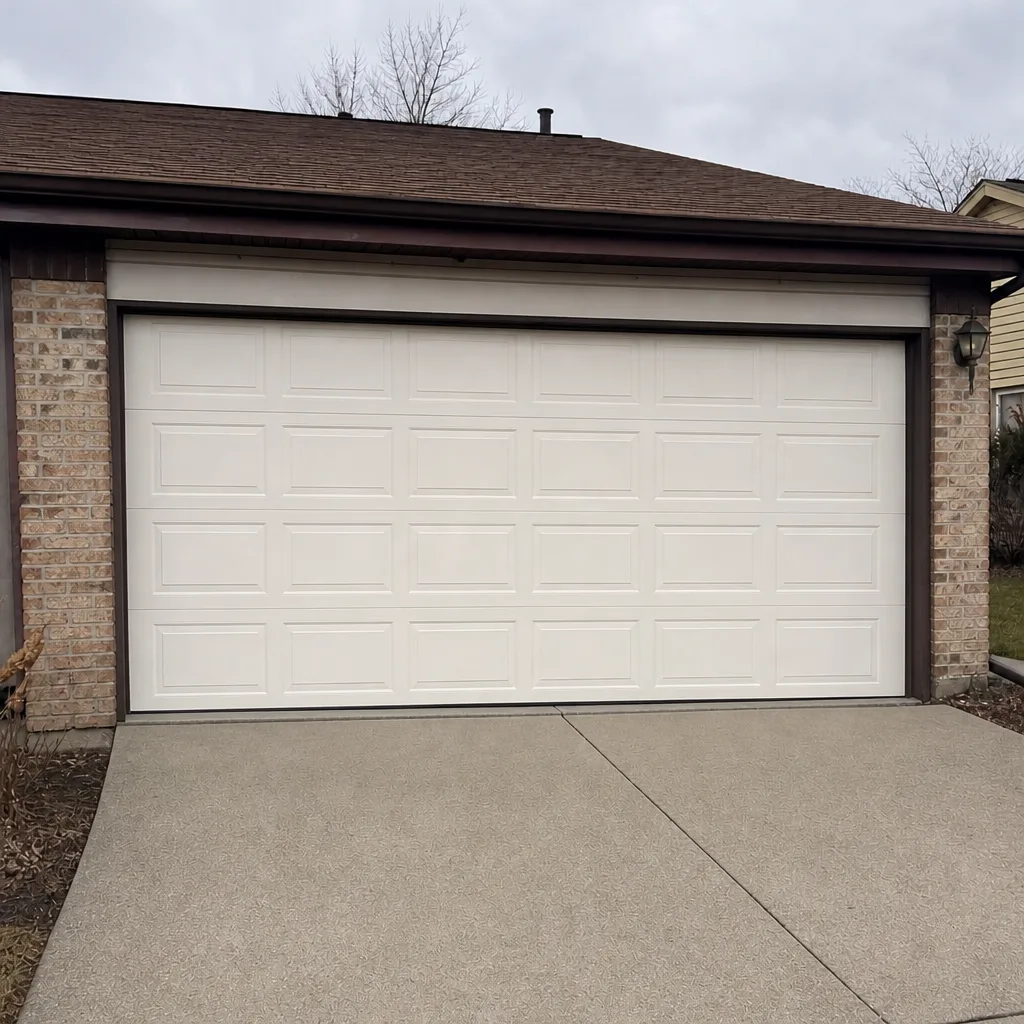
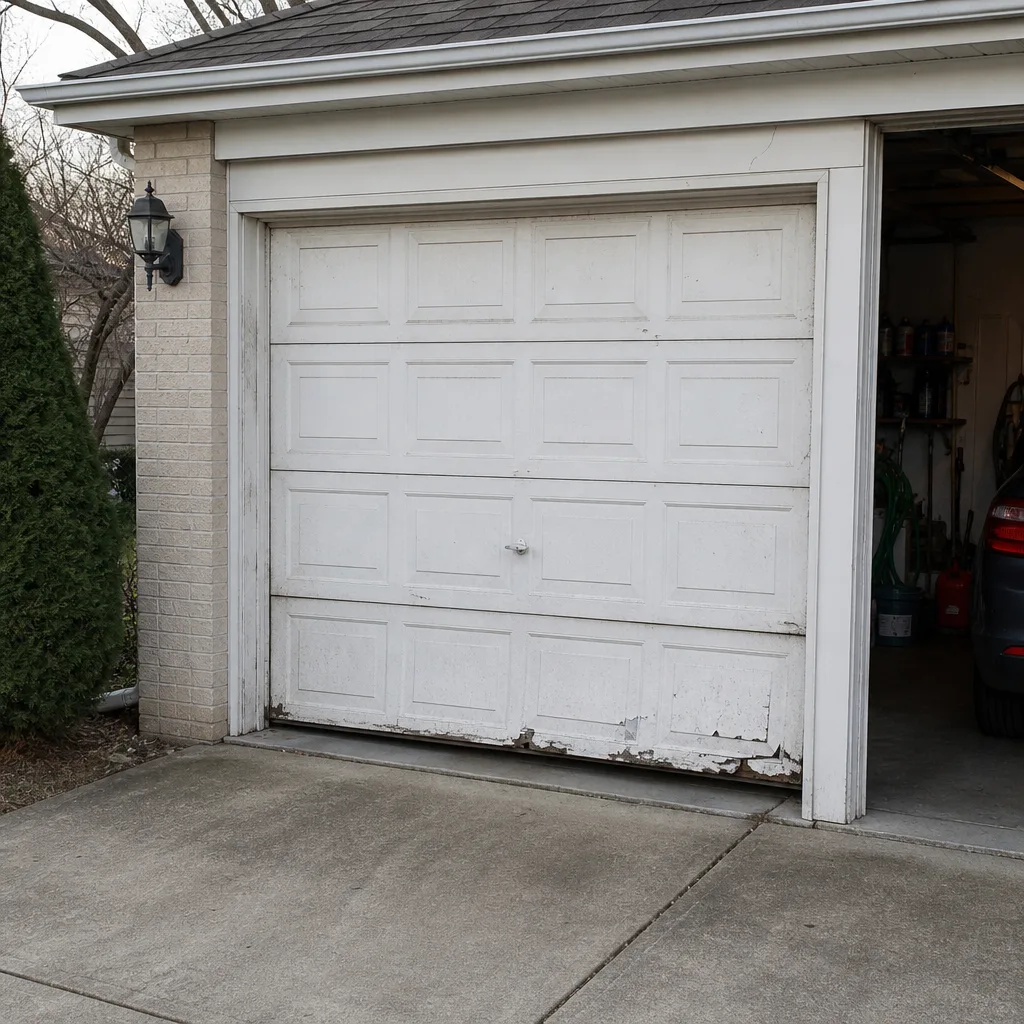
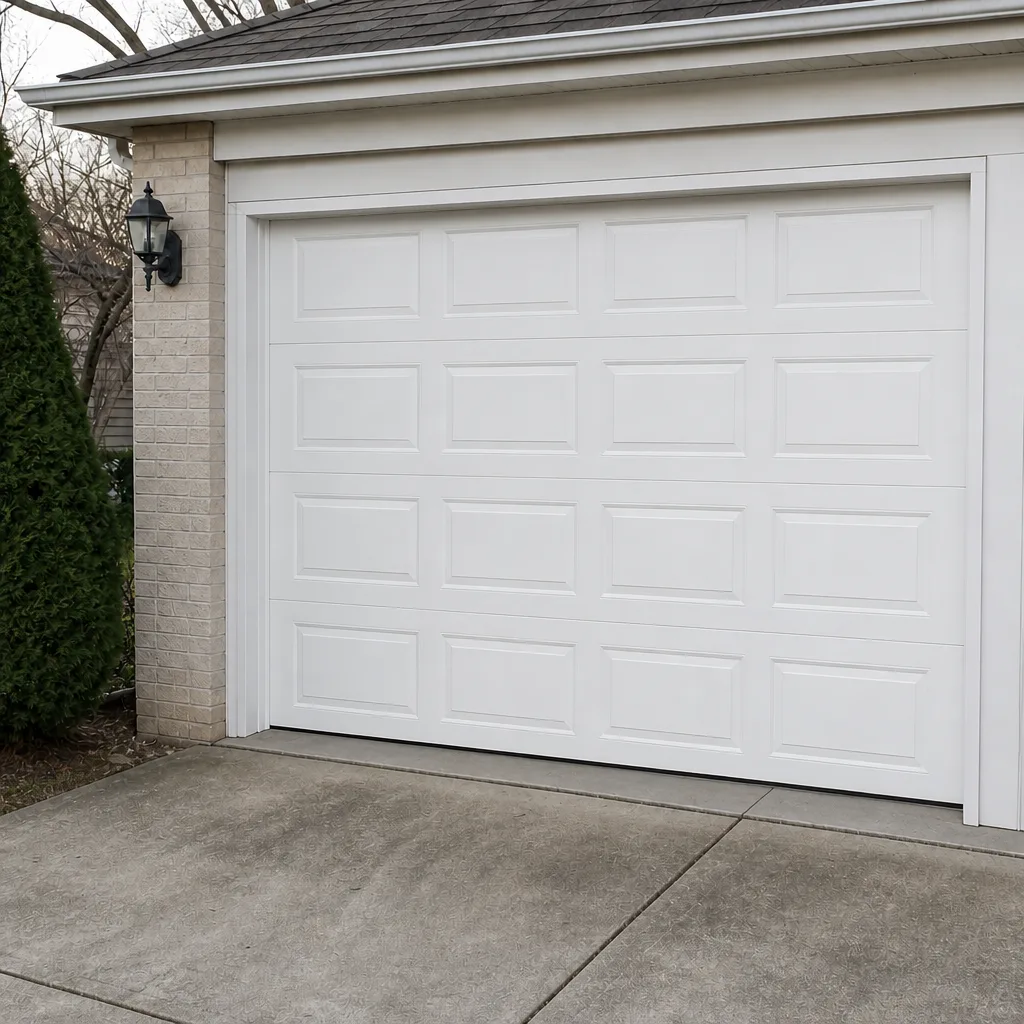
See the difference
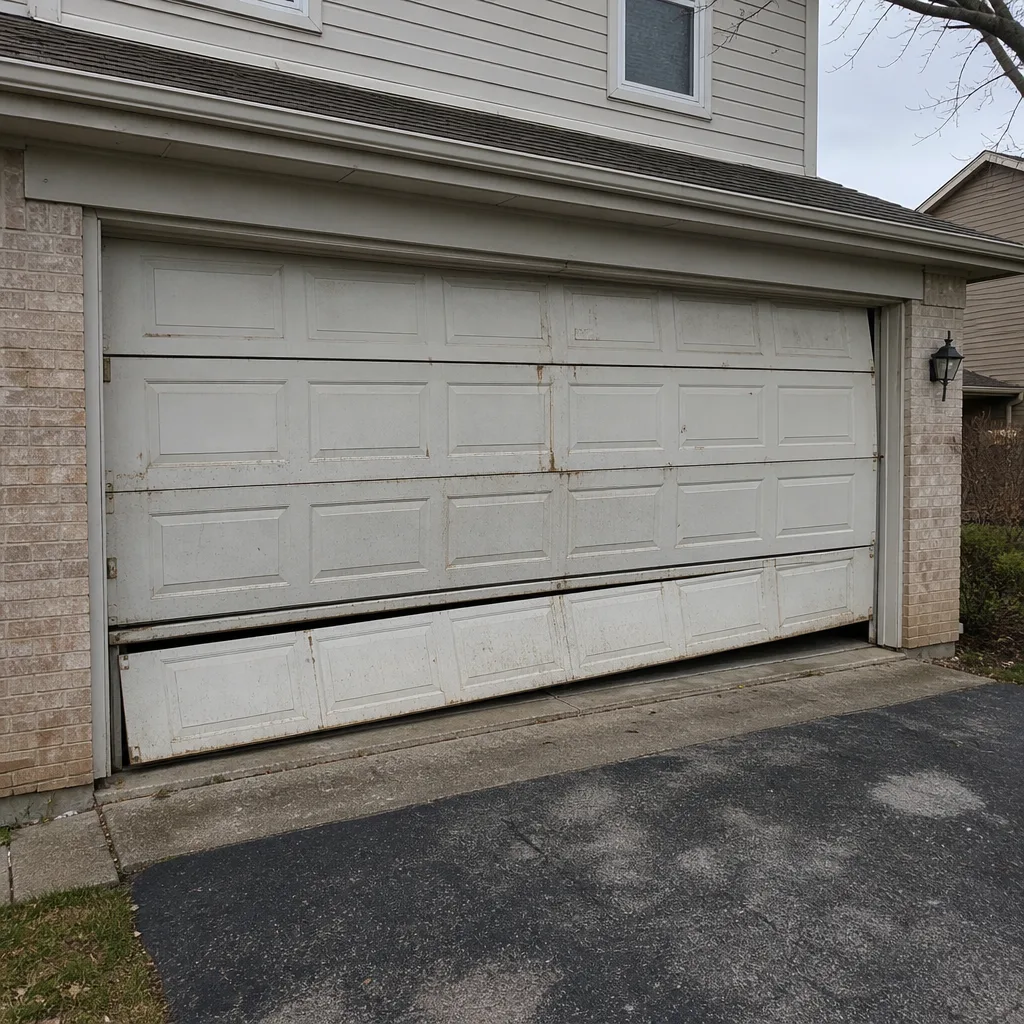 Before
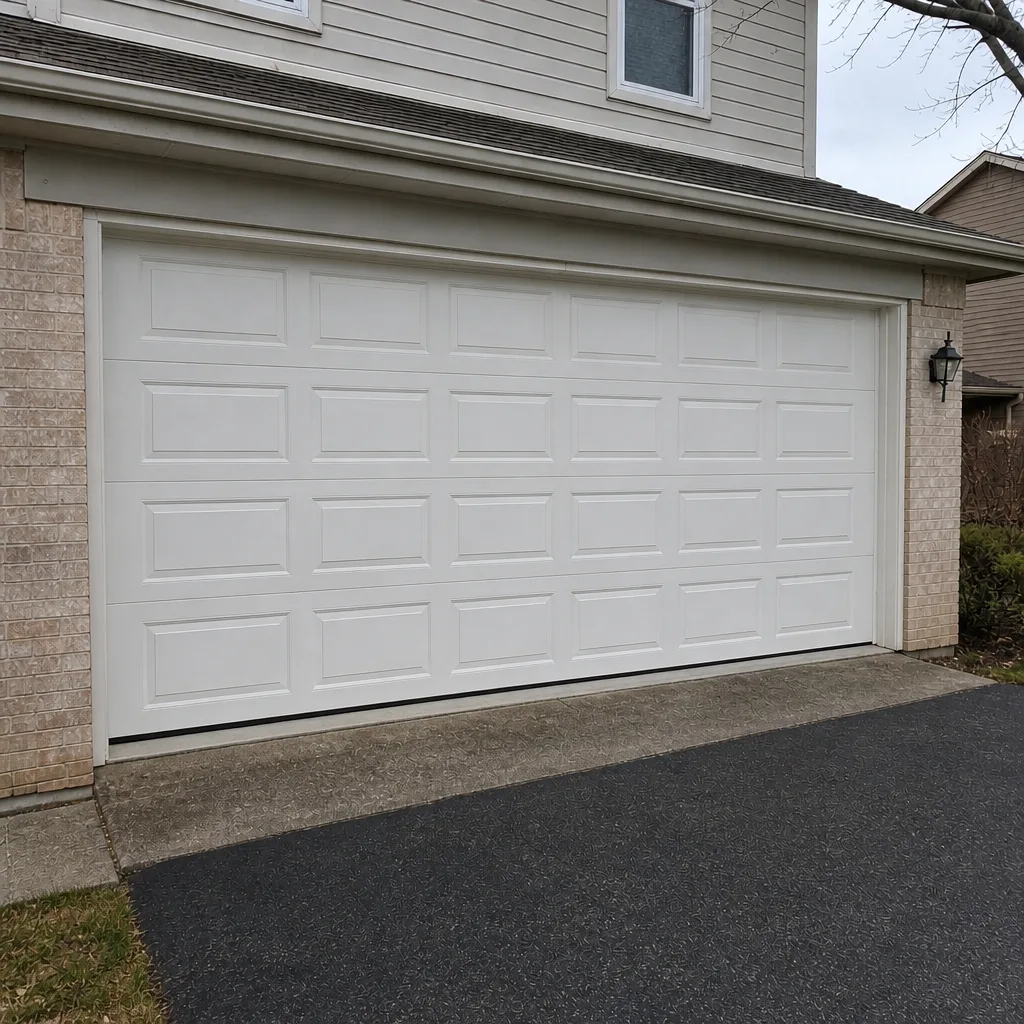 After
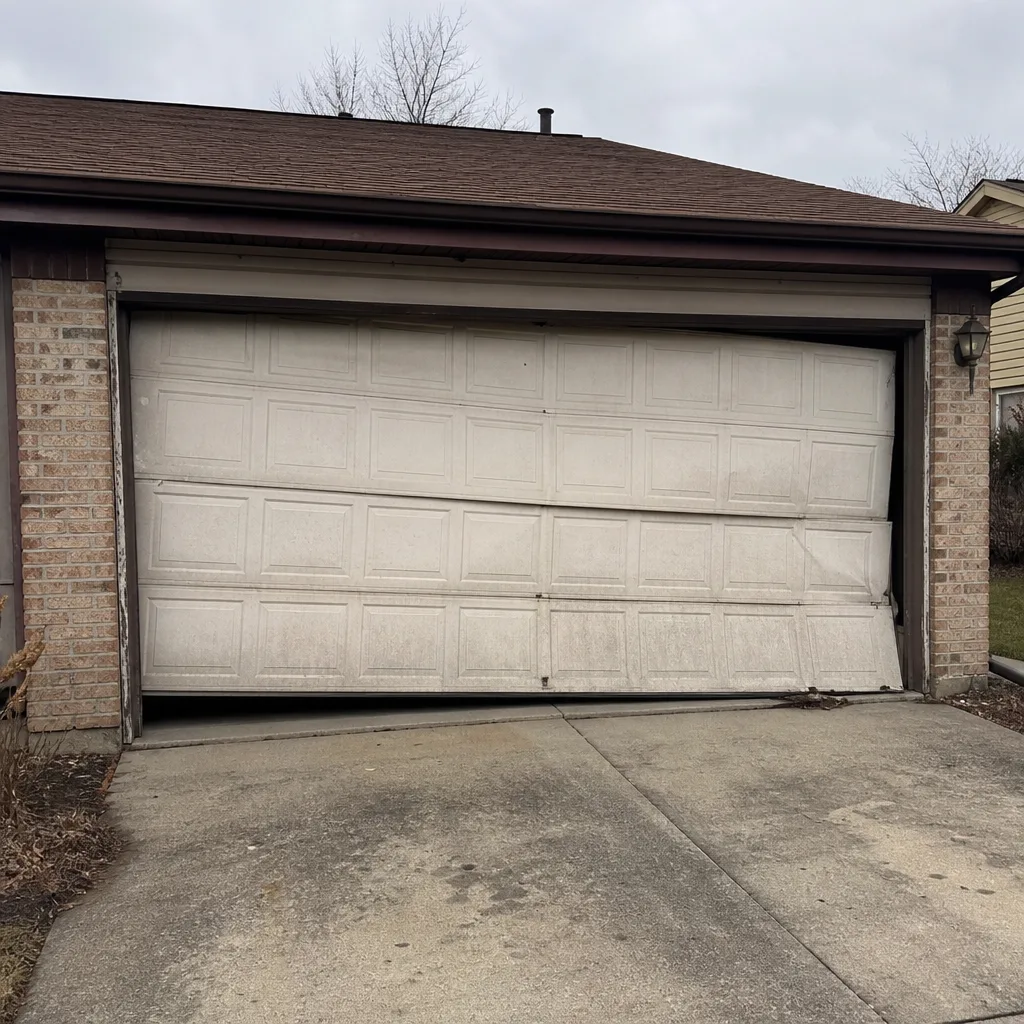 Before
 After
 Before
 After
Frequently Asked Questions
No. Torsion spring replacement is not a DIY job, no matter how capable you are with home repairs. The spring stores enough energy to cause fatal injury when released improperly, and the professional tool setup costs more than the repair in most cases. Call a licensed technician – free estimates are available.
Spring repair in Bolingbrook typically runs $180-$340 per spring. A matched pair is usually replaced together, so a pair costs about twice that. The exact price is set by the written estimate before any work begins. Call (833) 696-3327 for a free estimate.
Often, yes. Manufacturers like Clopay, Amarr, Chamberlain, and Genie typically require professional installation or service to keep certain warranties valid. If you self-install an opener or replace a spring incorrectly and a related component fails later, the manufacturer can decline the claim. A documented professional service record protects coverage.
Yes – lubrication, visual inspections, tightening bolts, cleaning photo-eye sensors, and clearing tracks are all safe DIY tasks. Springs, cables, and opening the spring system are never DIY. If you’re unsure whether a task is on the safe list, ask when you call for an estimate.
Same-day brake-and-spring service is available in Bolingbrook for urgent situations. We answer 24/7. Fast dispatch from 7am to 7pm, Sunday through Friday. A call outside dispatch hours is booked into the next opening, Sunday through Friday, 7am to 7pm. Prices are quoted before any work starts.
No. The written estimate sets the price, and that’s the price you pay. We quote before any work starts, so you can decide based on the number we give you – not an invoice that arrives later. Call (833) 696-3327 for a free estimate.
The Bottom Line
The DIY-vs-professional decision for a Bolingbrook garage door isn’t about whether you’re handy. It’s about which tasks carry stored energy that no amount of caution can neutralize. Springs, cables, and the bottom bracket are in that category. Lubrication, inspection, and sensor cleaning are not. For anything on the skip list, a trained technician with the right spring and the right tools is the safer and, once you count the tools you’d have to buy, the cheaper option. Our technicians have up to 11 years of experience and are factory-trained across brands including Chamberlain, Genie, Clopay, and Amarr, so we keep your existing equipment rather than steering you to a different one. Call (833) 696-3327 for a free estimate. We answer 24/7. Fast dispatch from 7am to 7pm, Sunday through Friday.
Written by the team at Garage Door Repair Bolingbrook.